

Strep A, or Group A Streptococcus, is a bacterium responsible for a range of infections that vary in severity. These include pharyngitis, commonly known as strep throat, a frequent cause of sore throats in children and adults. It can also lead to scarlet fever, characterized by a distinctive red rash that often follows strep throat, and impetigo, a skin infection marked by red sores or blisters. In rare but severe cases, Strep A can cause invasive Group A Streptococcal infections (iGAS), such as necrotizing fasciitis and streptococcal toxic shock syndrome, which require urgent medical attention.
Strep A is particularly significant in healthcare because of its potential for rapid spread in community settings like schools, daycare centers, and healthcare facilities. Early diagnosis and treatment are essential to prevent complications such as rheumatic fever and post-streptococcal glomerulonephritis.

Symptoms and Risk Factors
The symptoms of Strep A infections vary depending on the site of infection, with strep throat being the most common form. Typical signs include a sudden and severe sore throat, fever exceeding 38°C (100.4°F), swollen and tender lymph nodes, white patches on the tonsils or back of the throat, headache, and fatigue. Certain factors increase the risk of Strep A infections, such as close contact with infected individuals, weakened immunity, and crowded environments. Children and elderly individuals are particularly susceptible to these infections.
The Importance of Early Detection
Failing to diagnose and treat Strep A infections promptly can lead to severe complications. Misdiagnosis is also problematic, as viral infections with similar symptoms (e.g., viral pharyngitis) are common. Antibiotics are effective against Strep A but unnecessary and potentially harmful if prescribed for viral infections. This is where rapid testing plays a critical role in guiding healthcare decisions.
The Role of Strep A Rapid Test Kits
Traditionally, diagnosing Strep A involves a throat swab culture, which requires incubation in a laboratory for 24-48 hours. Although highly accurate, the wait time can delay treatment and increase the risk of disease transmission.
Strep A rapid test kits, such as those by Vitrosens, provide results in minutes, making them invaluable in fast-paced clinical settings. These tests use immunochromatographic technology to detect Group A Streptococcus antigens in throat swabs, delivering near-instant feedback.
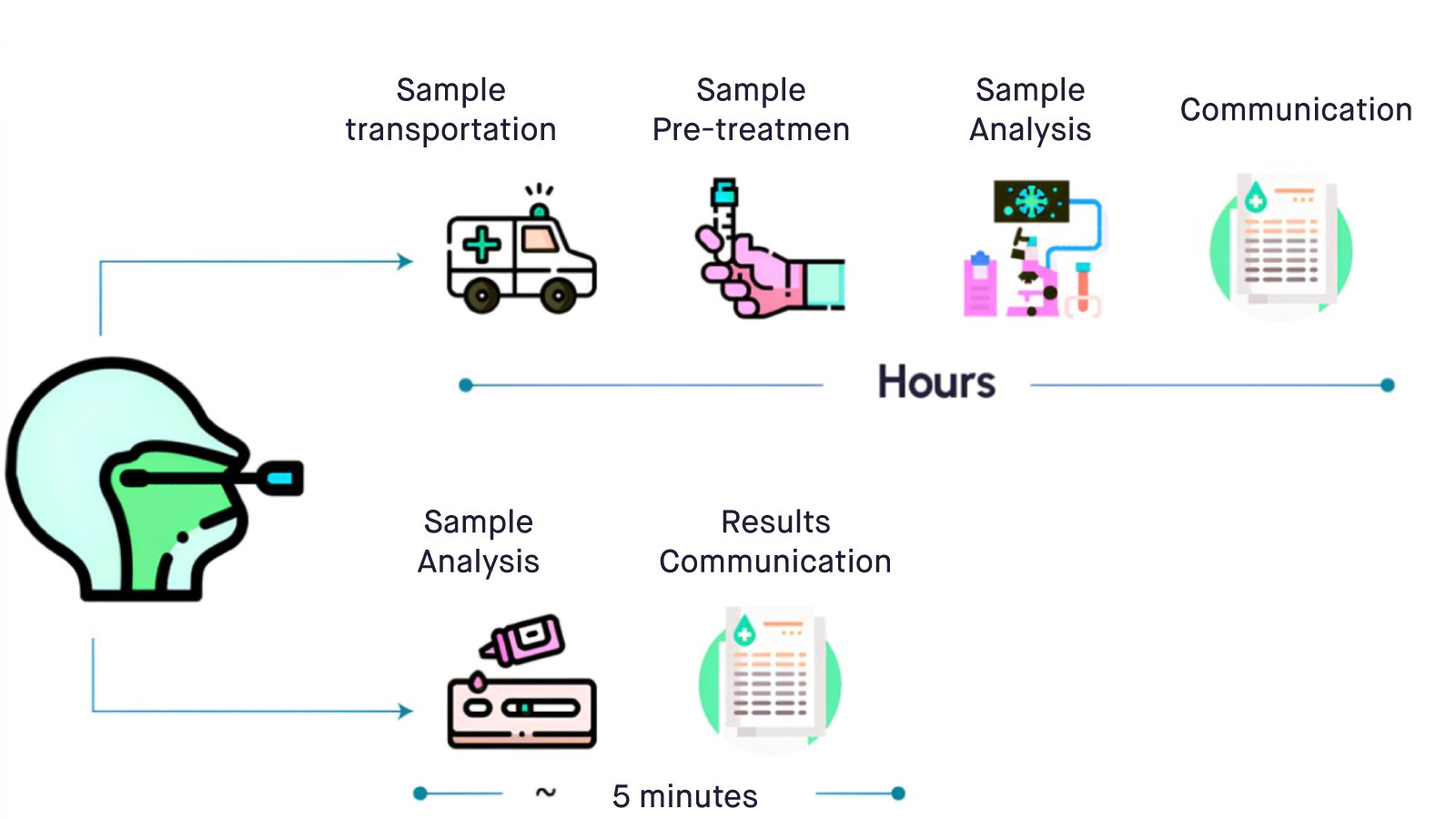
The Vitrosens Strep A Rapid Test Kit is specifically designed to meet the needs of healthcare providers, offering several key advantages. It delivers rapid results in under 10 minutes, allowing for prompt clinical decisions. With high sensitivity and specificity, the kit minimizes the risk of false negatives and positives, ensuring reliable outcomes. Its user-friendly design features simple, step-by-step procedures, making it easy to use for healthcare staff, even in busy environments. Additionally, the test kit is cost-effective, providing accurate diagnostics at an affordable price. Its compact and portable design further enhances its versatility, making it suitable for use in clinics, schools, and mobile health units.
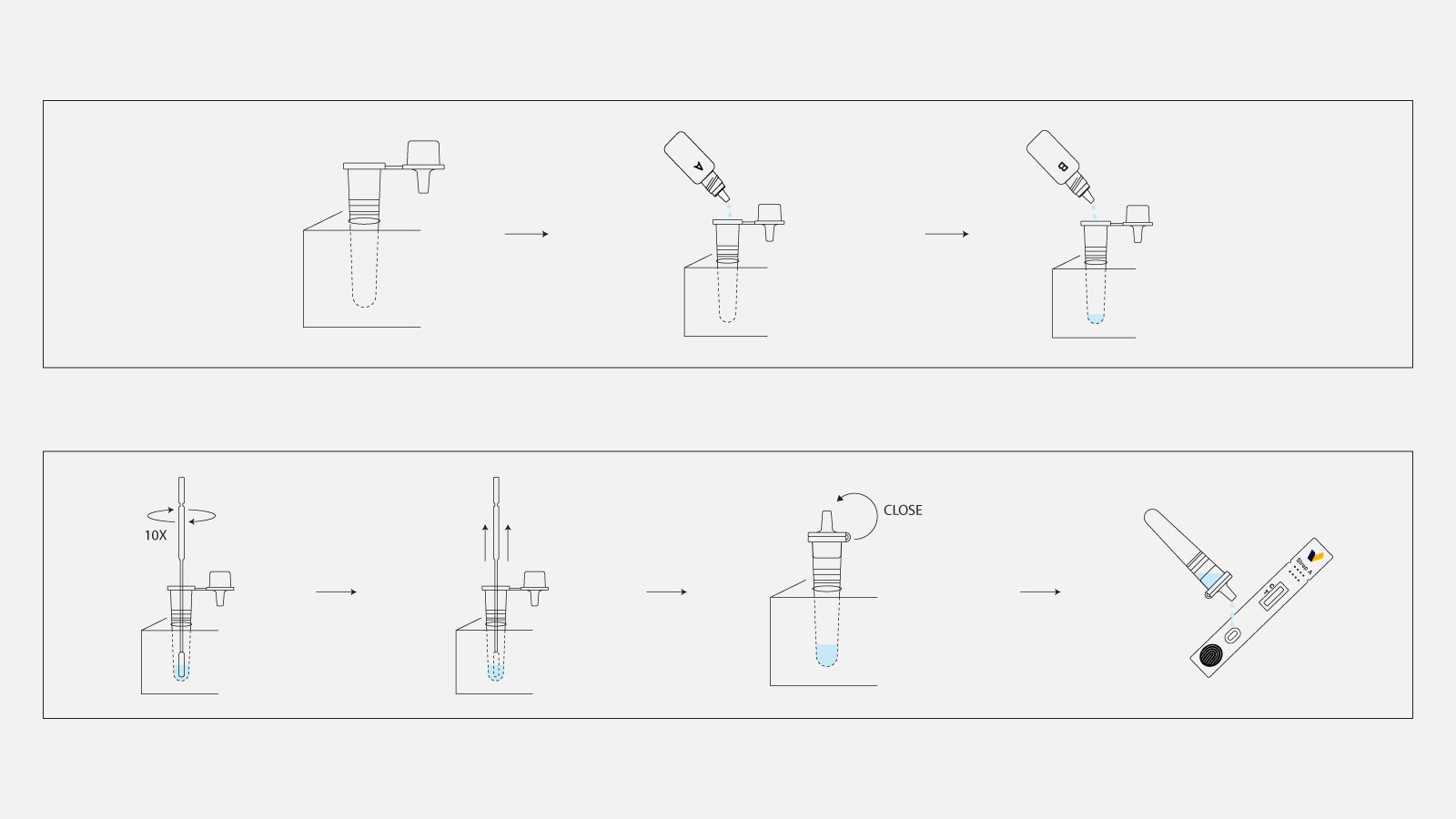
The Vitrosens rapid test kit works by detecting antigens produced by Group A Streptococcus bacteria in a throat swab specimen. The process involves:
- Collecting a throat swab from the patient.
- Mixing the swab in a reagent solution.
- Placing a few drops of the solution onto the test strip.
- Observing the strip for visual markers indicating a positive or negative result.
With minimal equipment and preparation required, this method streamlines diagnostics without compromising accuracy.
Benefits of Rapid Testing for Healthcare Providers
The Vitrosens Strep A Rapid Test Kit offers several practical benefits for healthcare providers. It enables immediate treatment decisions, allowing antibiotics to be started for confirmed cases while avoiding unnecessary prescriptions for viral infections, supporting better patient outcomes and antibiotic stewardship. Rapid results also improve clinical efficiency by reducing follow-up visits and streamlining workflows, particularly during busy infection seasons or in urgent care settings. Early detection with these kits helps prevent outbreaks in schools, long-term care facilities, and communities by enabling timely isolation and treatment. Additionally, while there is an upfront cost, the kits can save healthcare systems money by reducing complications, unnecessary antibiotic use, and follow-up consultations.
Advancing Strep A Diagnostics with Vitrosens
In the fight against Strep A infections, timely and accurate diagnosis is crucial. The Vitrosens Strep A Rapid Test Kit provides healthcare providers with a reliable, efficient, and cost-effective solution. Its ease of use and rapid results empower clinicians to make informed decisions, improving patient outcomes while supporting public health efforts.
As the healthcare landscape continues to evolve, incorporating advanced diagnostic tools like Vitrosens rapid test kits ensures that providers remain at the forefront of delivering high-quality care.
References
- Centers for Disease Control and Prevention (CDC). “Group A Streptococcal Infections.”
- Mayo Clinic. “Strep Throat: Symptoms and Diagnosis.”
- American Academy of Pediatrics. “Antibiotic Stewardship in Clinical Practice.”
- World Health Organization (WHO). “The Role of Rapid Diagnostic Tests in Infectious Disease Control.”


