

Reliable molecular diagnostics begin before a sample reaches the laboratory. From specimen collection to transportation and processing, maintaining sample integrity is essential for obtaining reliable laboratory results.
Sample collection and transport media are designed to support the preservation and transportation of clinical specimens under defined conditions. Different formulations serve different purposes, including maintaining microbial viability or stabilizing nucleic acids for molecular testing.
Why Is Sample Collection and Transport Important?
The quality of a clinical specimen can influence subsequent laboratory analysis. Improper handling, unsuitable transport conditions or delayed processing may affect sample integrity and the quality of extracted nucleic acids.
For molecular methods such as PCR and RT-PCR, preserving DNA and RNA is particularly important. RNA is especially susceptible to degradation by RNases, making appropriate handling and stabilization essential.
Therefore, sample transport media play an important role in the pre-analytical phase, helping maintain specimen suitability between collection and laboratory processing.
What Is the Difference Between VTM, UTM and NAT Medium?
Although these terms are sometimes used together, transport media can have different intended purposes.
Viral Transport Medium (VTM) is designed for the collection and transportation of viral specimens. Depending on its formulation, VTM can help preserve viral integrity and support subsequent laboratory analysis.
Universal Transport Medium (UTM) provides a transport solution intended for a broader range of microorganisms, according to the specific product formulation and intended use.
Nucleic Acid Transport (NAT) Medium focuses on preserving nucleic acids, such as DNA and RNA, for downstream molecular applications. Unlike media designed to maintain viable microorganisms, nucleic acid stabilization media may prioritize molecular target preservation.
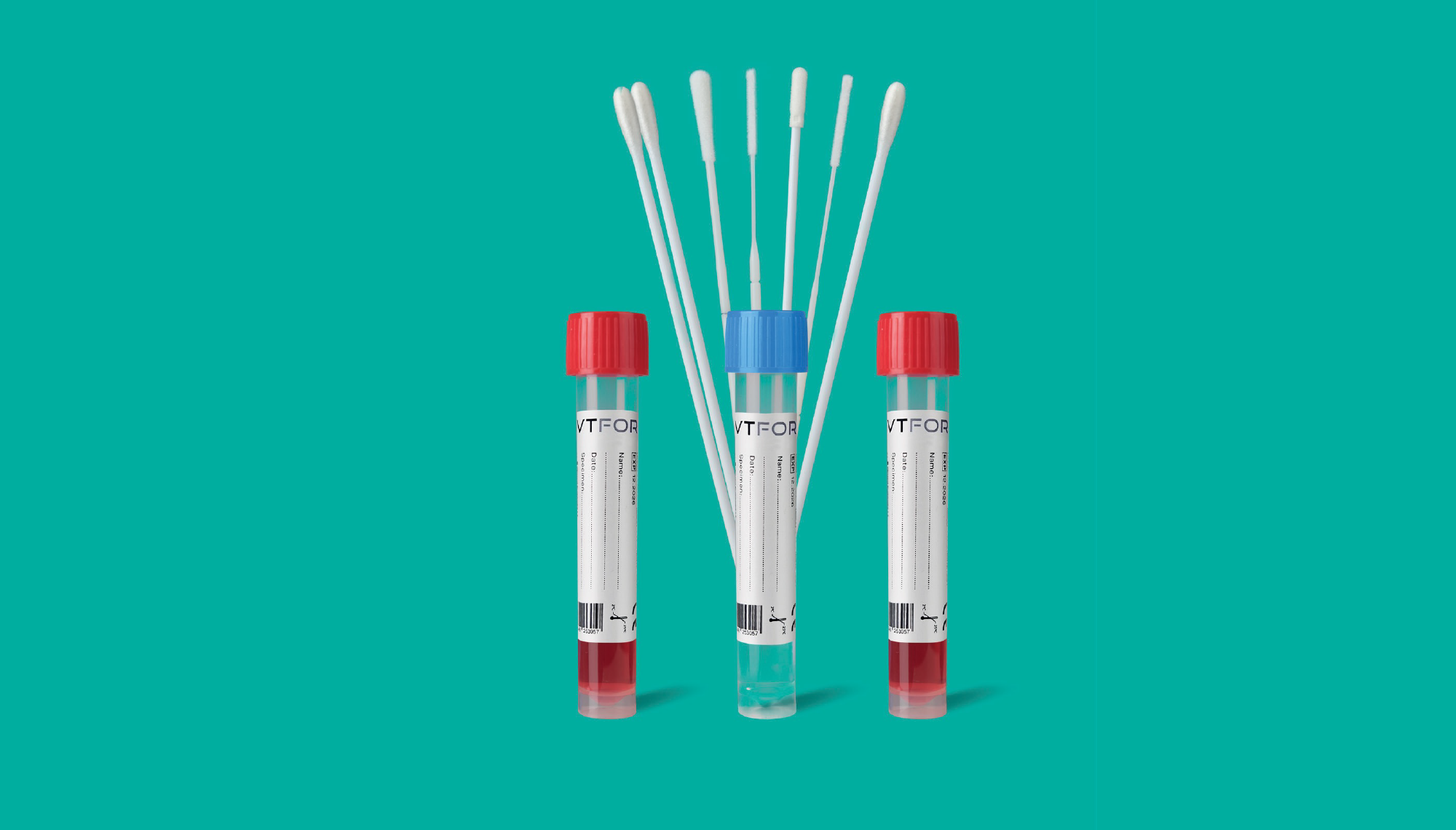
The appropriate medium should be selected according to the specimen type, target microorganism, analytical method and manufacturer’s Instructions for Use.
VTFOR™ Universal Medium Series
The VTFOR™ Universal Medium Series includes three solutions designed to support specimen collection, preservation and transportation for molecular laboratory applications.
- VTF01 Viral Transport Medium: is designed for the collection and transportation of specimens containing cells and viruses. Its formulation helps preserve DNA and RNA for downstream molecular analysis, including PCR-based applications.
- VTF02 Universal Transport Medium: supports the collection and transportation of a broad range of clinical specimens. It provides a flexible solution for laboratories performing nucleic acid-based testing.
- VTF03 Nucleic Acid Transport (NAT) Medium: is designed for viral nucleic acid extraction and preservation. It supports the preparation of viral DNA and RNA for downstream molecular applications, including RT-PCR.
Compatible Specimen Types
Depending on the specific product, the VTFOR™ Universal Medium Series supports various specimen types, including nasopharyngeal, oropharyngeal, nasal and genital swabs, sputum, saliva, fecal samples, respiratory aspirates, bronchoalveolar lavage (BAL), serum, plasma and applicable tissue specimens.
Specimen compatibility varies by product. Please refer to the corresponding Instructions for Use (IFU) for validated specimen types, collection procedures and handling requirements.
Key Features of the VTFOR™ Universal Medium Series
The VTFOR™ portfolio is developed to support specimen collection, stabilization and transport through practical laboratory solutions.
Key features presented in the product portfolio include:
- Ready-to-use formats for sample collection.
- Storage conditions of 2°C to 25°C, according to product specifications.
- Durable, leak-resistant transport tubes designed for specimen handling.
- Formulations supporting sample preservation during transport.
- Options for downstream molecular testing, including PCR and RT-PCR, subject to assay compatibility.
However, specimen compatibility, preservation duration and validated storage conditions should always be confirmed using the corresponding product documentation.
How Does Sample Stabilization Support PCR Testing?
PCR-based methods depend on the presence of suitable nucleic acid targets in the specimen. If DNA or RNA degrades during collection, storage or transportation, the quality of the material available for molecular analysis may be affected.
Appropriate stabilization can help preserve nucleic acid integrity before extraction and amplification. Nevertheless, transport media do not eliminate the need for correct specimen collection, validated storage conditions or appropriate laboratory procedures.
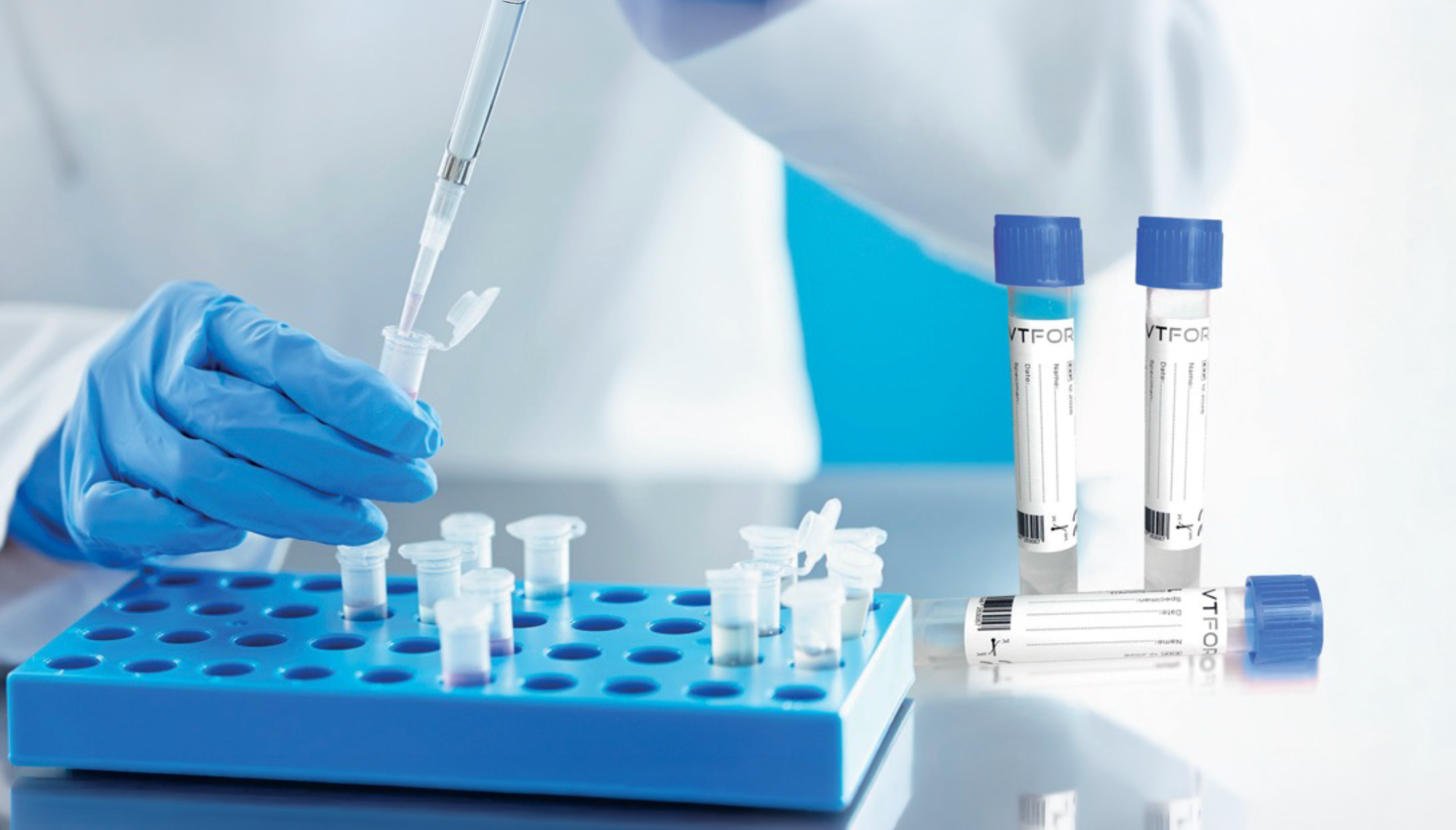
The World Health Organization emphasizes that specimen collection, preservation and transportation are important components of laboratory quality management.
Conclusion
Appropriate sample collection and transport are essential parts of reliable laboratory workflows. Selecting a suitable transport medium can help preserve specimen integrity and support subsequent diagnostic testing.
The VTFOR™ Universal Medium Series, including VTF01 Viral Transport Medium, VTF02 Universal Transport Medium and VTF03 Nucleic Acid Transport Medium, provides different solutions for clinical specimen collection, preservation and transportation.
To learn more about VTFOR™ sample transport solutions, explore the Vitrosens portfolio or contact sales@vitrosens.com.
References
- World Health Organization (WHO). Laboratory Quality Management: Sample Collection, Preservation and Transport.
- World Health Organization (WHO). Establishment of PCR Laboratory in Developing Countries.
- Centers for Disease Control and Prevention (CDC). Interim Guidelines for Collecting and Handling of Clinical Specimens for COVID-19 Testing.


