

Together, IL-6 and CRP reflect different stages of the inflammation. While IL-6 represents the early cytokine response, CRP provides insight into the subsequent acute-phase reaction. Used alongside clinical evaluation, imaging and pathology, these complementary biomarkers can support a more comprehensive assessment of inflammatory cascade.
Understanding Sarcoma Beyond the Tumor
Sarcomas are a diverse group of rare cancers that develop in connective tissues such as bone, muscle, fat, blood vessels and tendons. More than 70 histological subtypes have been identified, each with distinct biological behavior and treatment strategies.
Although imaging, pathology and molecular analyses remain the foundation of diagnosis, laboratory biomarkers can provide valuable information about the patient’s overall inflammatory status and disease burden.
Inflammation and Cancer: An Important Connection
Cancer and inflammation are closely linked. Inflammatory cells and cytokines within the tumor microenvironment may contribute to tumor growth, angiogenesis and disease progression. Among the many inflammatory mediators studied in oncology, interleukin-6 (IL-6) is one of the best-characterized cytokines involved in systemic inflammatory responses. Increased IL-6 production has been reported in several malignancies, including certain soft tissue sarcomas, where it may reflect inflammatory activity within the tumor microenvironment.
One of IL-6’s key biological functions is stimulating hepatocytes in the liver to produce C-reactive protein (CRP). Consequently, CRP serves as a downstream marker of the acute-phase inflammatory response rather than the underlying cause itself. Together, IL-6 and CRP provide complementary information about different stages of the inflammatory cascade and should always be interpreted alongside clinical findings, imaging studies and pathological evaluation.
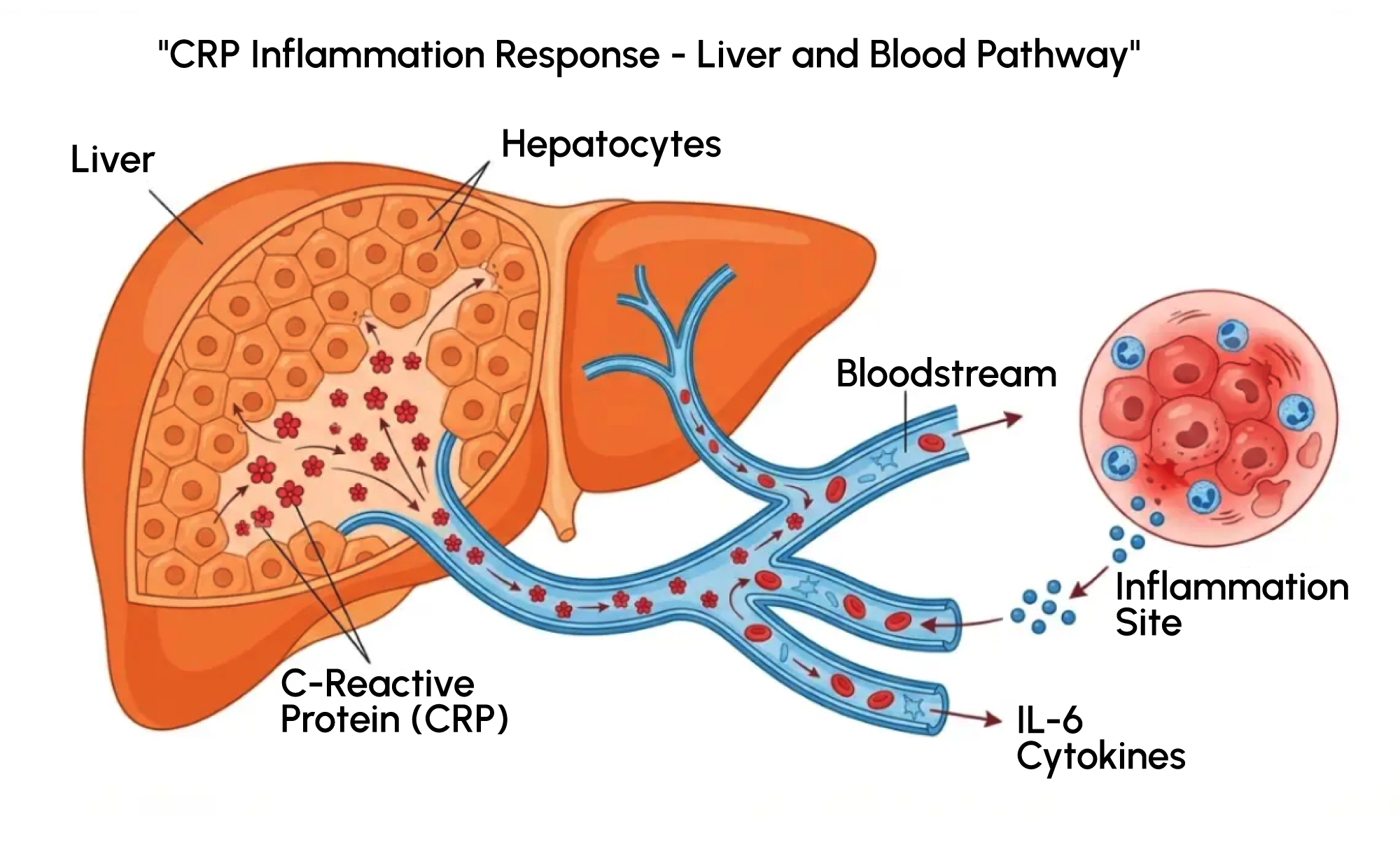
Neither biomarker is specific for sarcoma and neither should be used alone for diagnosis. Instead, their results should always be interpreted alongside clinical examination, imaging studies, pathology and other laboratory findings as part of a multidisciplinary evaluation.
Product Portfolio: Complementary Biomarkers for Inflammation Assessment
The RapidFor™ IL-6 (FIA) is designed for the quantitative determination of interleukin-6 (IL-6) in human serum, plasma and whole blood. Using fluorescence immunochromatographic technology, the assay provides quantitative analyzer-based measurement to support professional laboratory assessment of inflammatory activity.
- Quantitative IL-6 measurement
- Serum, plasma and whole blood samples
- Fluorescence immunoassay
- Measuring range: 5-5000 pg/mL
- Detection limit: ≤5 pg/mL
- Compatible with the VMFIA1001 Immunofluorescence Analyzer
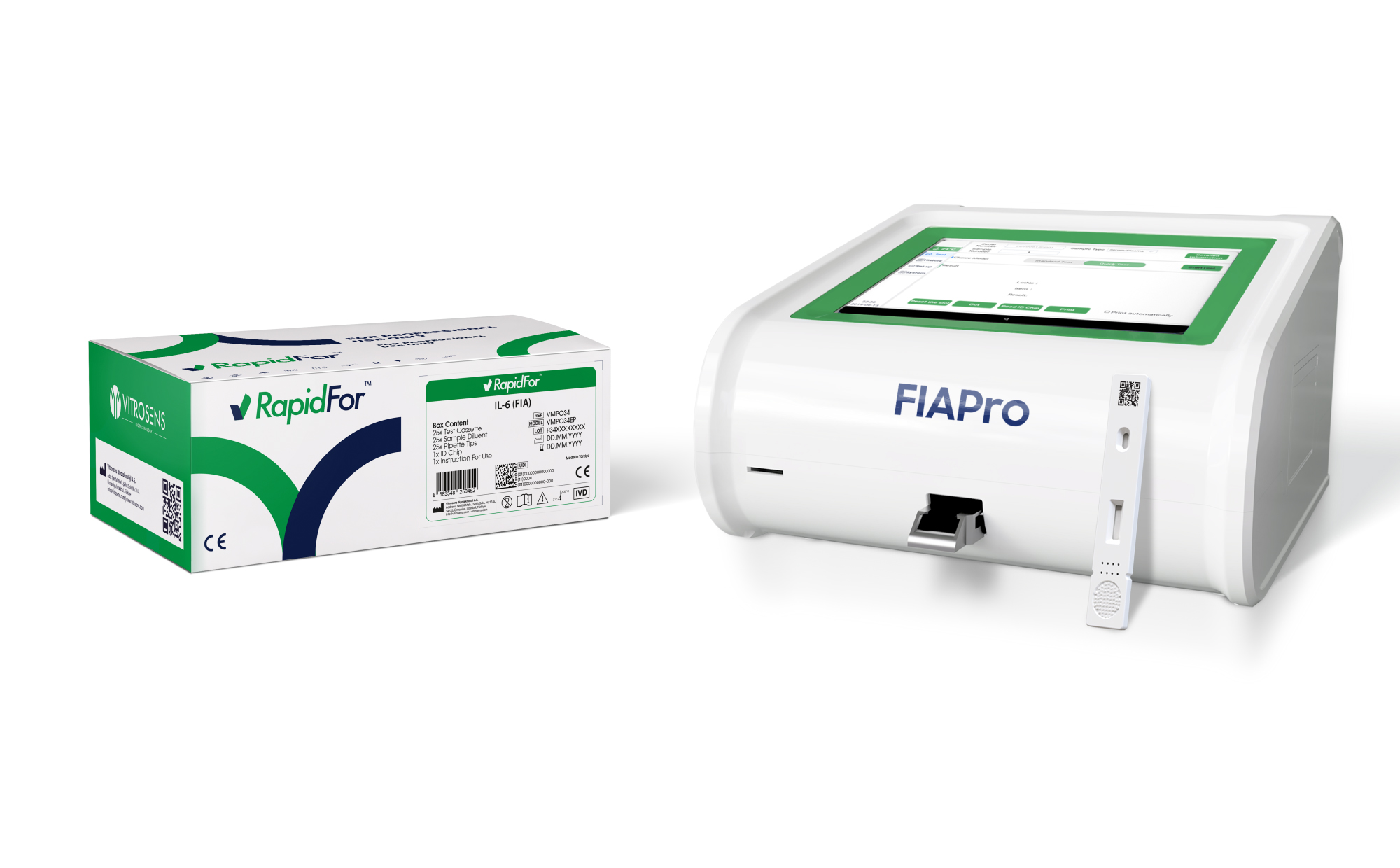
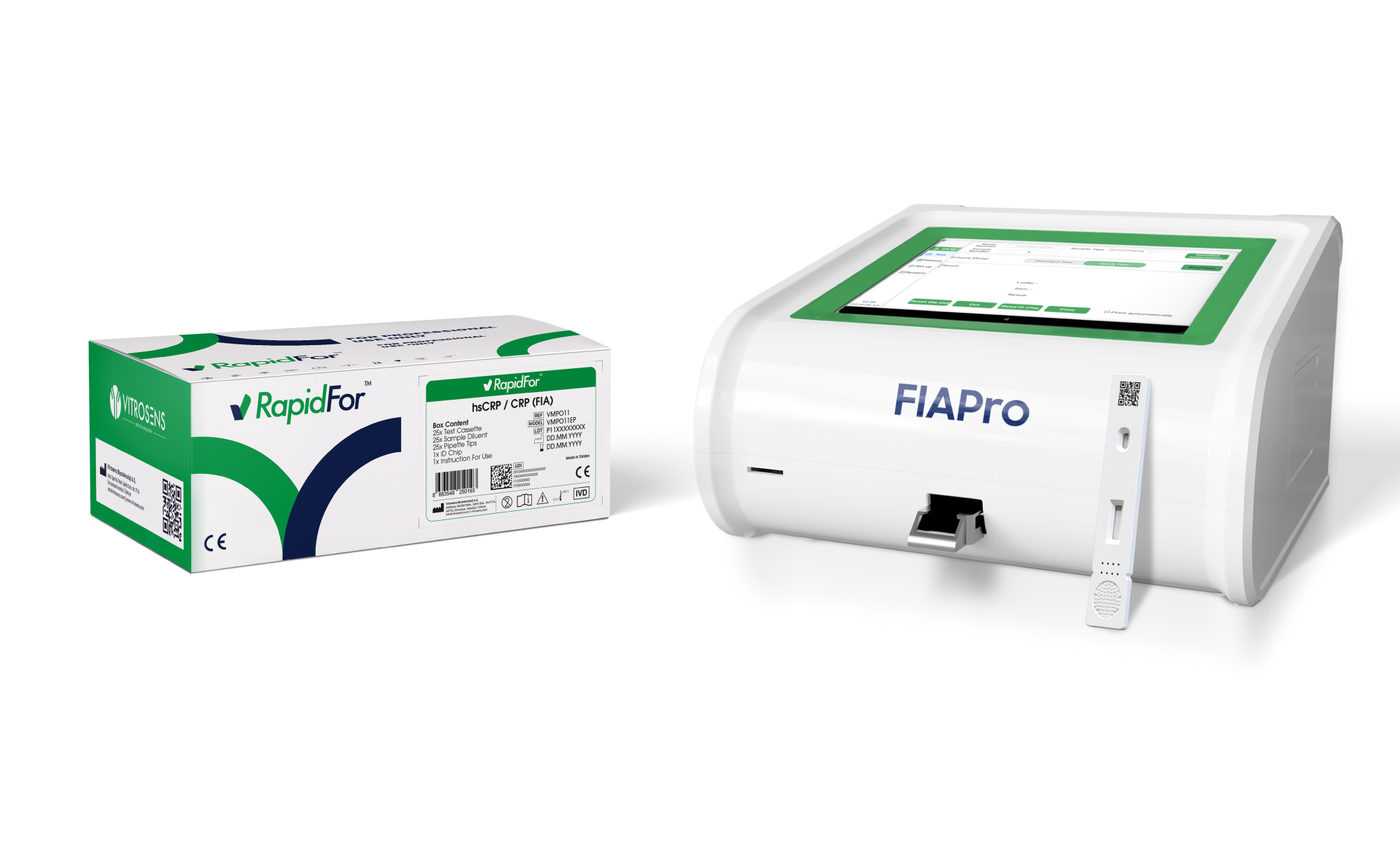
The RapidFor™ hsCRP/CRP (FIA) is designed for the quantitative determination of C-reactive protein (CRP) in human whole blood, serum and plasma. The assay also supports high-sensitivity CRP (hsCRP) measurement for cardiovascular risk assessment when interpreted together with clinical findings.
- Quantitative CRP and hsCRP measurement
- Whole blood, serum and plasma
- Results in 3 minutes
- Measuring range: 0.5-200 mg/L
- Compatible with VMFIA1001
- Fluorescence immunoassay
Conclusion
Sarcoma Awareness Month highlights the importance of understanding not only rare cancers themselves but also the biological processes that accompany them. IL-6 and CRP represent complementary biomarkers at different stages of the inflammatory response. While IL-6 reflects early cytokine signaling, CRP indicates the downstream acute-phase response. Although neither biomarker is diagnostic for sarcoma, their quantitative assessment can provide valuable information about inflammatory status when interpreted alongside clinical evaluation, imaging and pathology.
Vitrosens supports professional laboratories with RapidFor™ IL-6 (FIA) and RapidFor™ hsCRP/CRP (FIA), enabling fast, quantitative fluorescence immunoassay testing to assist inflammation assessment within routine laboratory workflows. Contact sales@vitrosens.com to learn more about FIA Testing products of Vitrosens Biotechnology.
References
- National Cancer Institute. Soft Tissue Sarcoma.
- American Cancer Society. What Is Sarcoma?
- European Society for Medical Oncology Clinical Practice Guidelines for Soft Tissue and Visceral Sarcomas.
- National Comprehensive Cancer Network Clinical Practice Guidelines in Oncology: Soft Tissue Sarcoma.
- Cancer Research UK. Sarcoma Overview.


