

PANDAS disease has become an increasingly searched topic as families and clinicians look for clearer answers about the possible link between Group A Streptococcus infections and sudden neuropsychiatric symptoms in children. While PANDAS remains rare and clinically complex, accurate Strep A evaluation can support the infection assessment step within a broader medical review.
PANDAS Disease and Strep A: Why Accurate Testing Matters
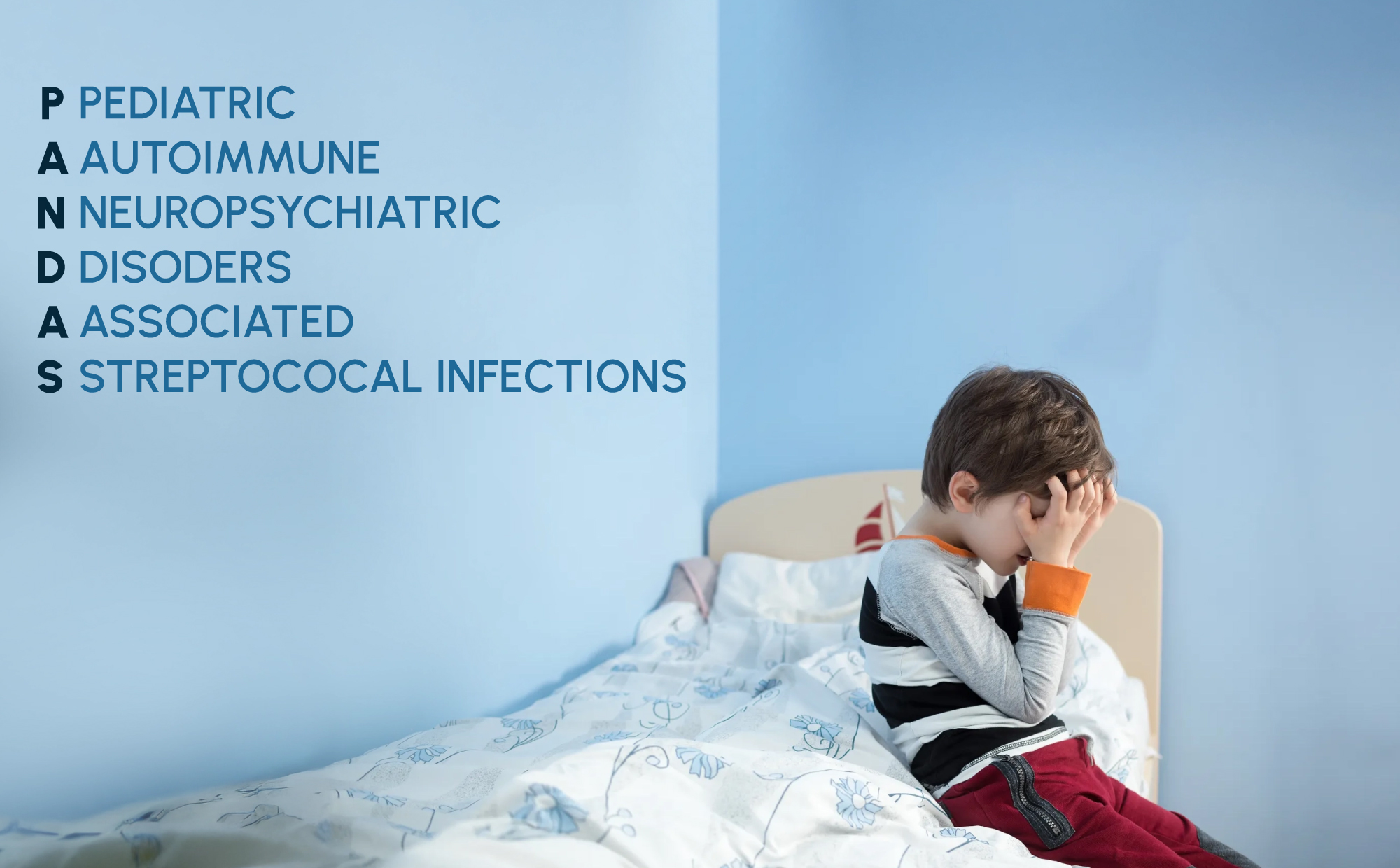
PANDAS stands for Pediatric Autoimmune Neuropsychiatric Disorders Associated with Streptococcal Infections. It is considered a subtype of PANS and is specifically associated with a recent streptococcal infection, such as strep throat or scarlet fever.
Children with PANDAS may develop a sudden onset or sudden worsening of obsessive-compulsive symptoms, tic disorder or related behavioral changes. Unlike typical OCD or tic disorders that may develop gradually, PANDAS-related symptoms are often described as abrupt and intense.
Clinical Complexity of PANDAS Disease
PANDAS disease is not diagnosed with a single laboratory test. Diagnosis requires clinical evaluation, symptom history and assessment of a recent or current Strep A infection. Healthcare providers also need to rule out other possible causes, since infections, anxiety, tic disorders and behavioral changes are common in childhood.
This makes Strep A testing important, but it should be understood correctly. A Strep A test does not diagnose PANDAS disease by itself. Instead, it can help provide evidence of Group A Streptococcus infection when clinicians are evaluating a child with compatible symptoms and history.
Why Strep A Detection Matters
Group A Streptococcus pharyngitis is most common in children aged 5 to 15 years, and transmission risk can increase in close-contact settings such as schools and daycare centers. Since pharyngitis may be caused by many different pathogens, laboratory testing can support clinical evaluation when Strep A infection is suspected. CDC recommends rapid antigen detection testing or throat culture for confirmation, and negative rapid tests should be backed up by throat culture in symptomatic children aged 3 years or older.
Strep A testing can be a valuable part of this process, especially when a child presents with compatible throat infection signs or a relevant history of streptococcal exposure. However, any result should be interpreted together with clinical judgment and additional evaluation when needed.
Vitrosens Product Focus: Strep A (FIA)
Strep A (FIA) is designed for the qualitative detection of Group A Streptococcus in human oropharyngeal swab samples. The test uses fluorescence immunochromatography and an immunofluorescence analyzer to support objective result interpretation in professional testing workflows.
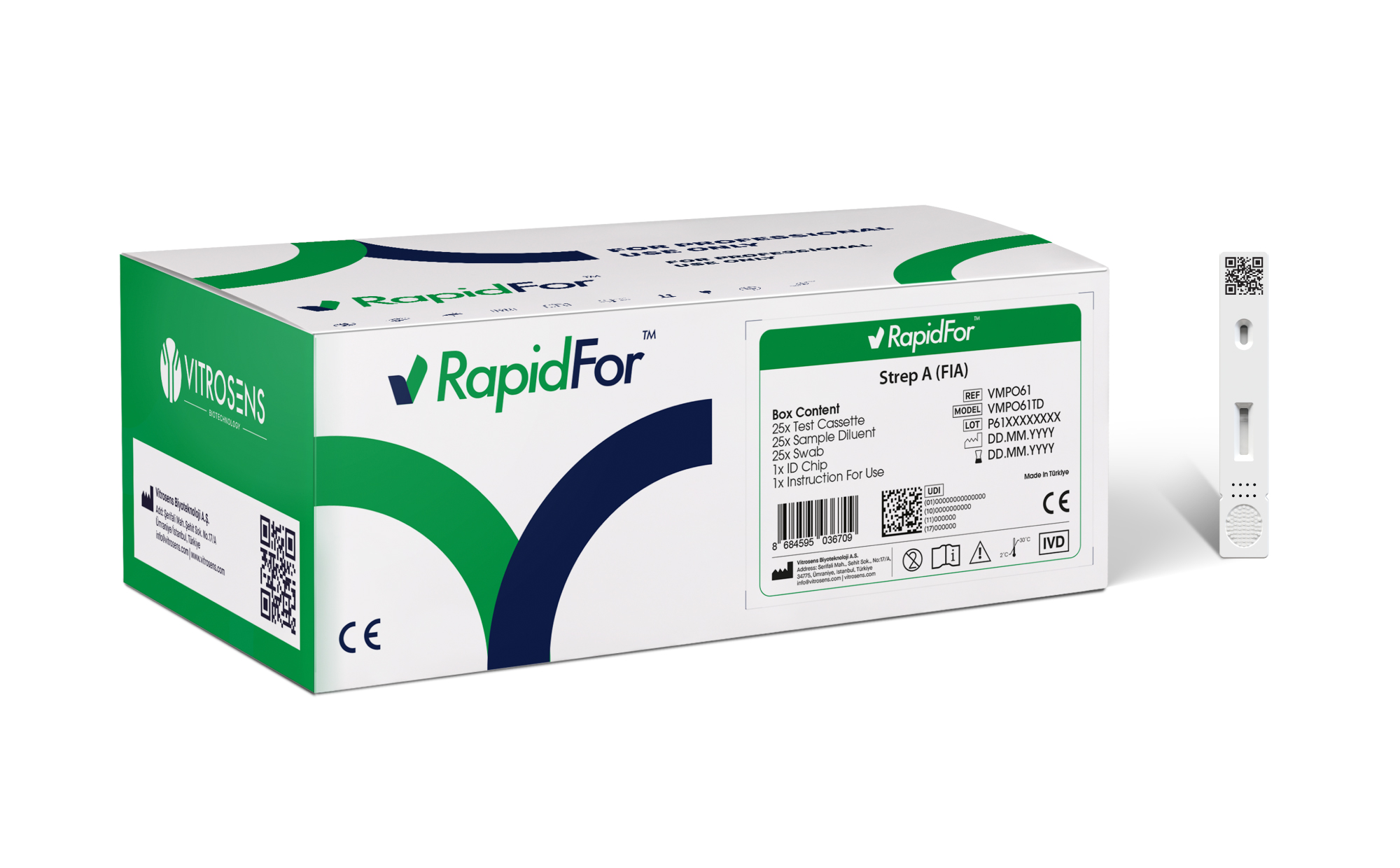
By providing analyzer-read results within 5 minutes, Strep A (FIA) can support rapid initial screening when Group A Streptococcus infection is clinically suspected. This may help healthcare professionals make timely decisions about further evaluation, patient management and confirmatory testing when needed.
- Supports qualitative detection of Group A Streptococcus from oropharyngeal swab samples
- Analyzer-based result interpretation with VMFIA1001 Immunoflouresence Analyzer
- 5-minute reaction time for practical workflow support
- Useful as an initial professional screening tool
- Helps support clinical evaluation when Strep A infection is suspected
- Can contribute to timely decision-making in pediatric throat infection workflows
Conclusion
PANDAS disease remains a rare and challenging clinical condition that requires careful evaluation of symptoms, medical history and recent infection evidence. In this context, accurate Strep A detection can support healthcare professionals when Group A Streptococcus infection is part of the clinical suspicion.
Explore how Strep A (FIA) can support rapid initial screening for Group A Streptococcus in professional clinical workflows. Contact sales@vitrosens.com to learn more or discover the product porfolio.
References
- National Institute of Mental Health. “PANS and PANDAS: Questions and Answers.”
- Centers for Disease Control and Prevention. “Clinical Guidance for Group A Streptococcal Pharyngitis.”
- UK Parliament, House of Commons Library. “PANS and PANDAS.” Research Briefing, 2026.
- Wald, E. R.; et al. “Estimate of the Incidence of PANDAS and PANS in 3 Primary Care Populations.” 2023.
- Centers for Disease Control and Prevention. “Clinical Guidance for Scarlet Fever.”
- Arcilla, C. K.; et al. “Pediatric Autoimmune Neuropsychiatric Disorders Associated with Streptococcal Infections.” StatPearls, 2024.


