
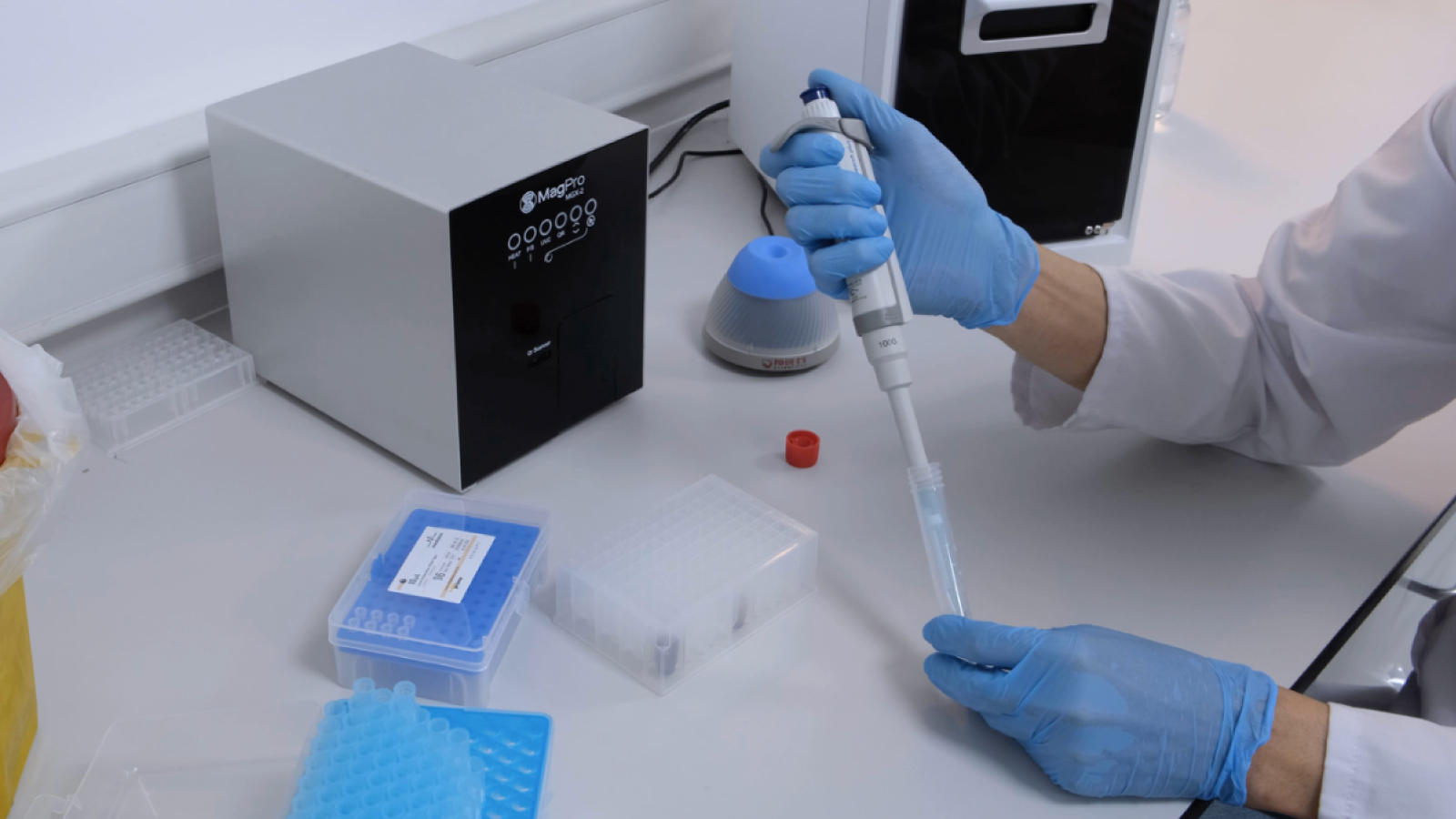
Molecular diagnostic workflows begin long before PCR amplification. One of the most important pre-analytical steps is nucleic acid extraction, where DNA or RNA is isolated from biological specimens before downstream molecular analysis.
Among the available extraction technologies, magnetic bead-based nucleic acid extraction has become widely adopted in research and clinical laboratories because it supports automated workflows and standardized sample processing.
What Is Nucleic Acid Extraction?
Nucleic acid extraction is the laboratory process of isolating DNA or RNA from biological samples such as blood, swabs, saliva or other clinical specimens.
The extracted nucleic acids can then be used for downstream molecular applications, including real-time PCR and other nucleic acid-based analyses.
During extraction, cellular material is lysed to release nucleic acids, while proteins, lipids and other sample components are removed through a series of purification steps.
The resulting purified nucleic acids are intended for subsequent molecular testing according to the requirements of the selected assay.
What Is Magnetic Bead-Based Extraction?
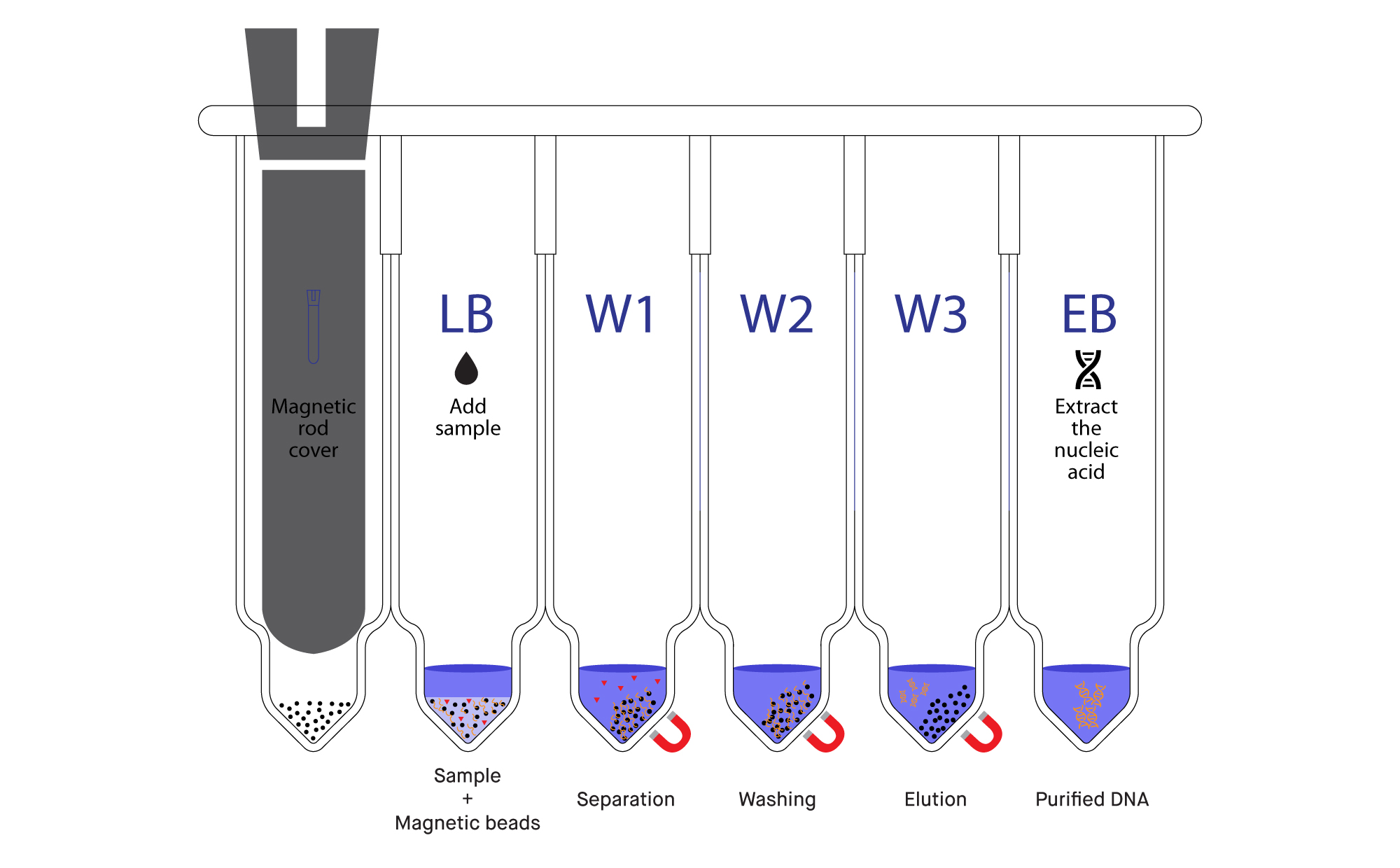
Magnetic bead-based extraction uses microscopic magnetic particles coated with materials capable of binding nucleic acids under specific chemical conditions. By applying an external magnetic field, the beads carrying DNA or RNA can be separated from the remaining sample components during different purification steps.
A typical magnetic bead-based extraction workflow includes:
- Lysis to release nucleic acids from the sample.
- Binding of DNA or RNA to magnetic beads.
- Washing to remove impurities and residual sample components.
- Elution to recover purified nucleic acids for downstream molecular analysis.
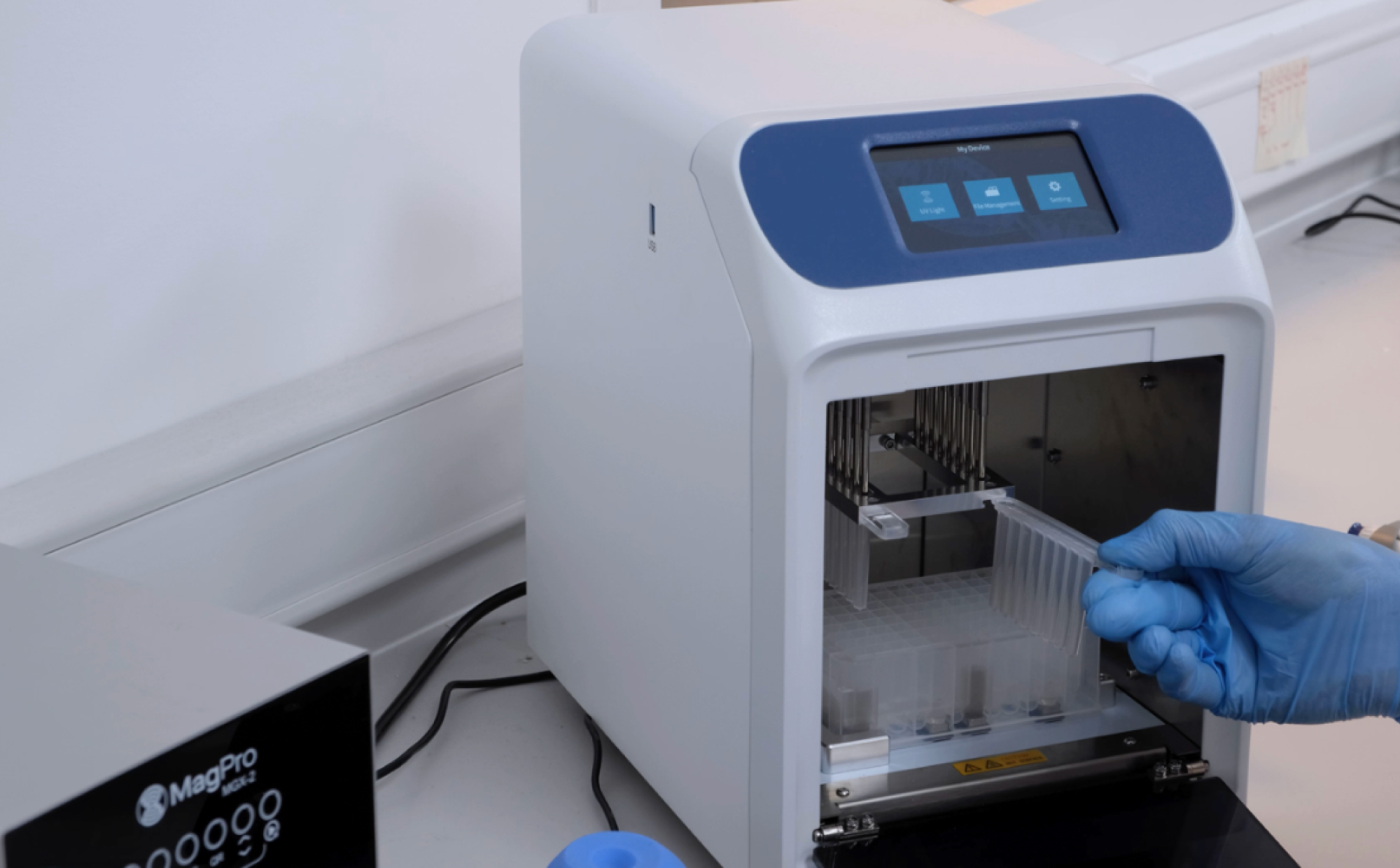
Magnetic bead-based extraction has become a commonly used approach in molecular laboratories because it can be integrated into automated workflows and adapted to different laboratory requirements.
Automated Magnetic Bead-Based Extraction Systems
Vitrosens offers automated magnetic bead-based nucleic acid extraction systems designed to support routine molecular laboratory workflows. The portfolio includes instruments with different throughput capacities to accommodate varying laboratory requirements.
The available systems include:
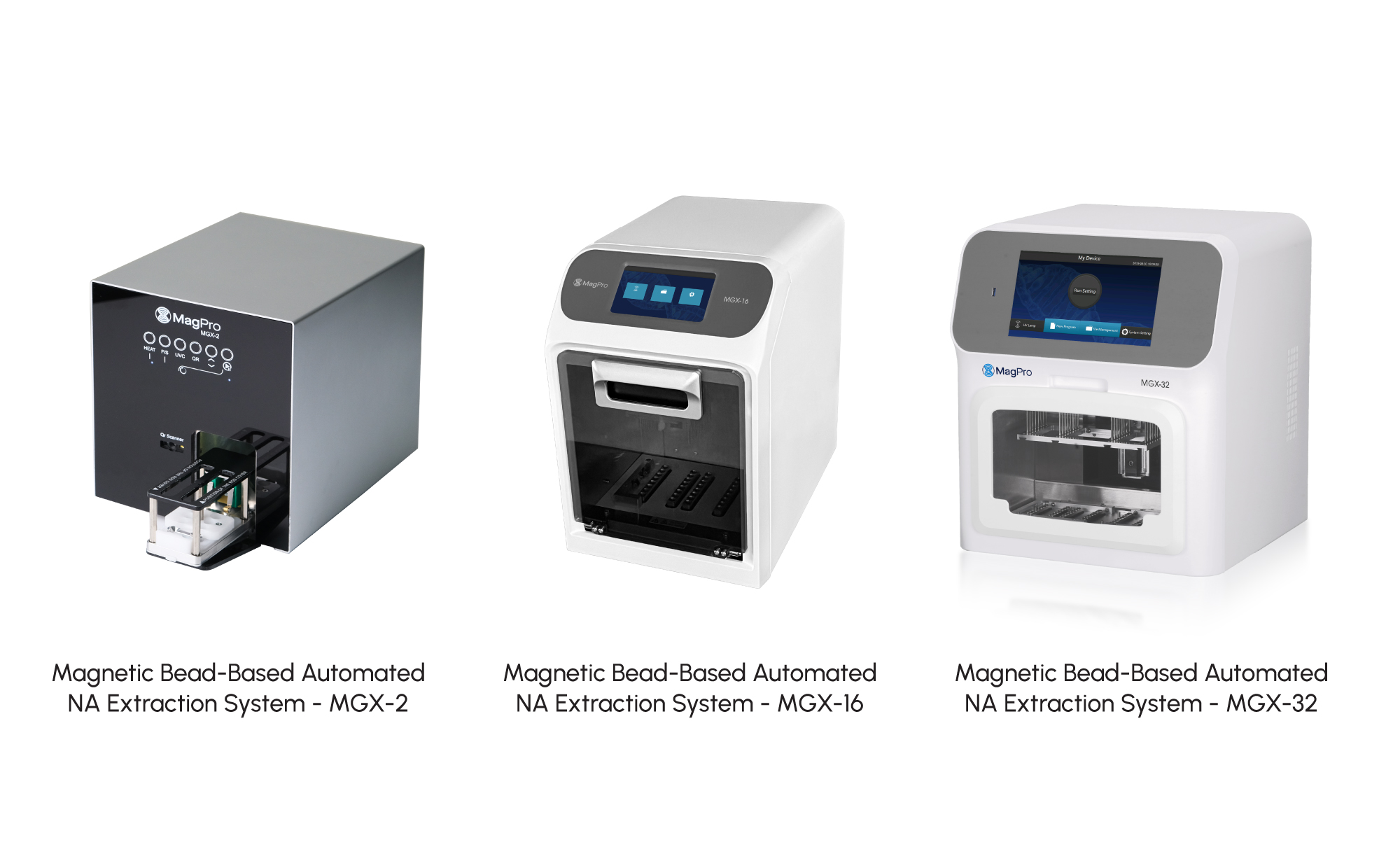
Using magnetic bead technology, these systems automate nucleic acid extraction prior to downstream molecular applications. Depending on laboratory capacity and workflow requirements, different instrument configurations are available to support low-, medium- and higher-throughput processing.
Different extraction plates are used depending on the MGX platform. Users should select the appropriate consumables according to the compatible instrument and the applicable Instructions for Use (IFU).
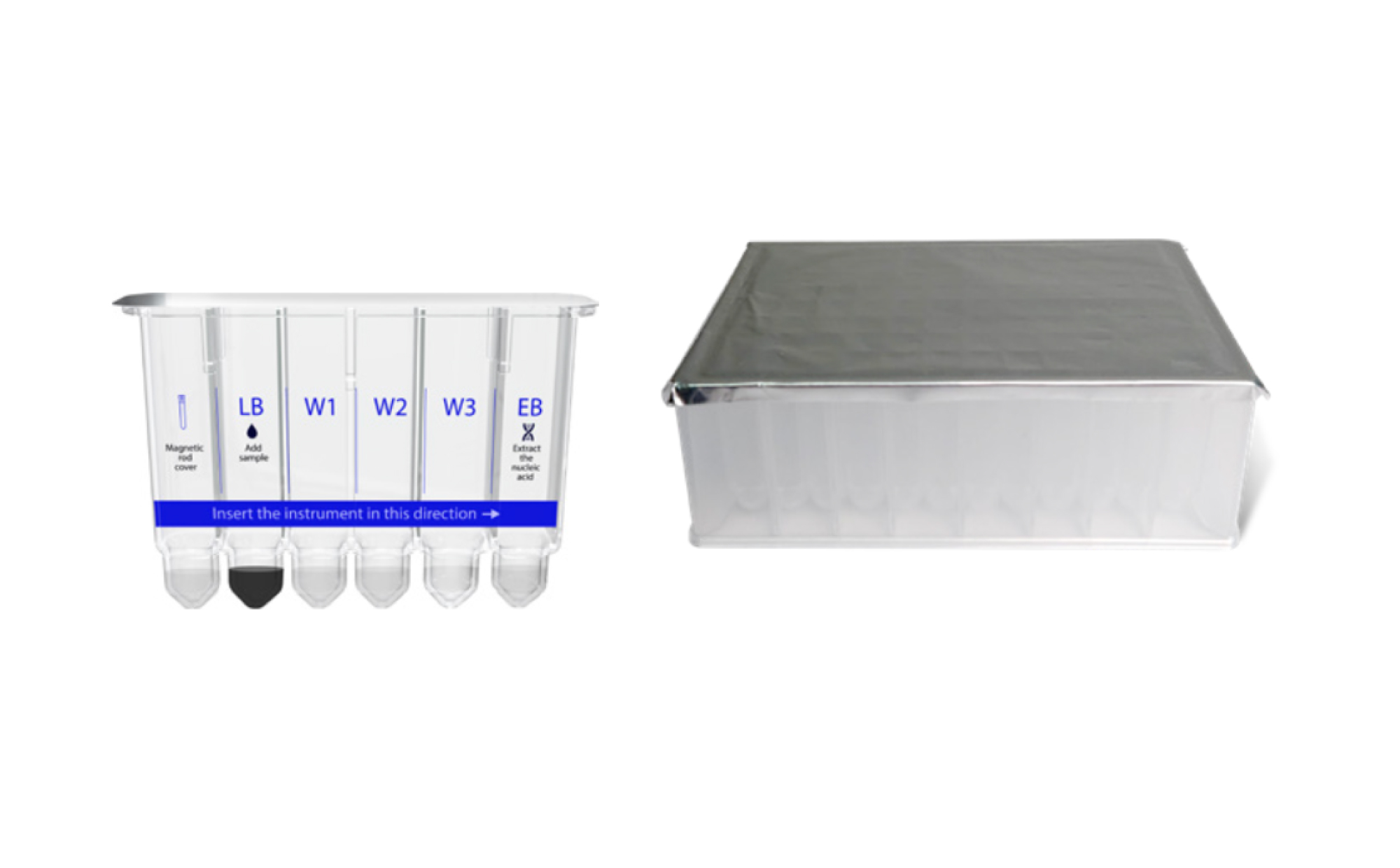
Selecting an Extraction System
When choosing an automated extraction system, laboratories typically consider several operational factors, including:
- Expected daily sample volume
- Laboratory workflow organization
- Available laboratory space
- Compatibility with downstream molecular assays
- Instrument throughput requirements
The selection of an extraction platform should be based on the laboratory’s intended application and operational needs.
Conclusion
Nucleic acid extraction is a fundamental step in many molecular laboratory workflows. Magnetic bead-based technology provides an automated approach to DNA and RNA purification that can be integrated into a wide range of molecular applications.
To learn more about Vitrosens’ automated magnetic bead-based nucleic acid extraction systems, including the MGX-2, MGX-16 and MGX-32, explore our molecular diagnostics portfolio or contact sales@vitrosens.com.
References
- Tan SC, Yiap BC. DNA, RNA, and Protein Extraction: The Past and the Present. Journal of Biomedicine and Biotechnology. 2009;2009:574398. doi:10.1155/2009/574398.


