

Helicobacter pylori (H. pylori) is a bacterium that colonizes the stomach and represents one of the most common chronic bacterial infections worldwide. Many infected individuals experience no noticeable symptoms. However, persistent infection can contribute to inflammation of the stomach lining and may be associated with several gastrointestinal conditions.
Because symptoms such as abdominal discomfort, nausea and indigestion can occur for many different reasons, symptoms alone cannot determine whether H. pylori is present. Therefore, H. pylori testing can provide useful laboratory information when healthcare professionals evaluate patients with relevant gastrointestinal findings.
What Is Helicobacter pylori?
H. pylori is a spiral-shaped, Gram-negative bacterium adapted to survive within the acidic environment of the stomach. After colonization, the bacterium can persist for long periods unless appropriate treatment eliminates the infection. Transmission mechanisms remain complex, although oral-oral and fecal-oral routes may contribute to its spread.
The prevalence of H. pylori varies considerably between populations and geographical regions. Moreover, factors such as living conditions, sanitation and exposure during childhood can influence infection patterns. Since many people remain asymptomatic, an individual may carry the bacterium without recognizing an infection.
What Can H. pylori Infection Cause?
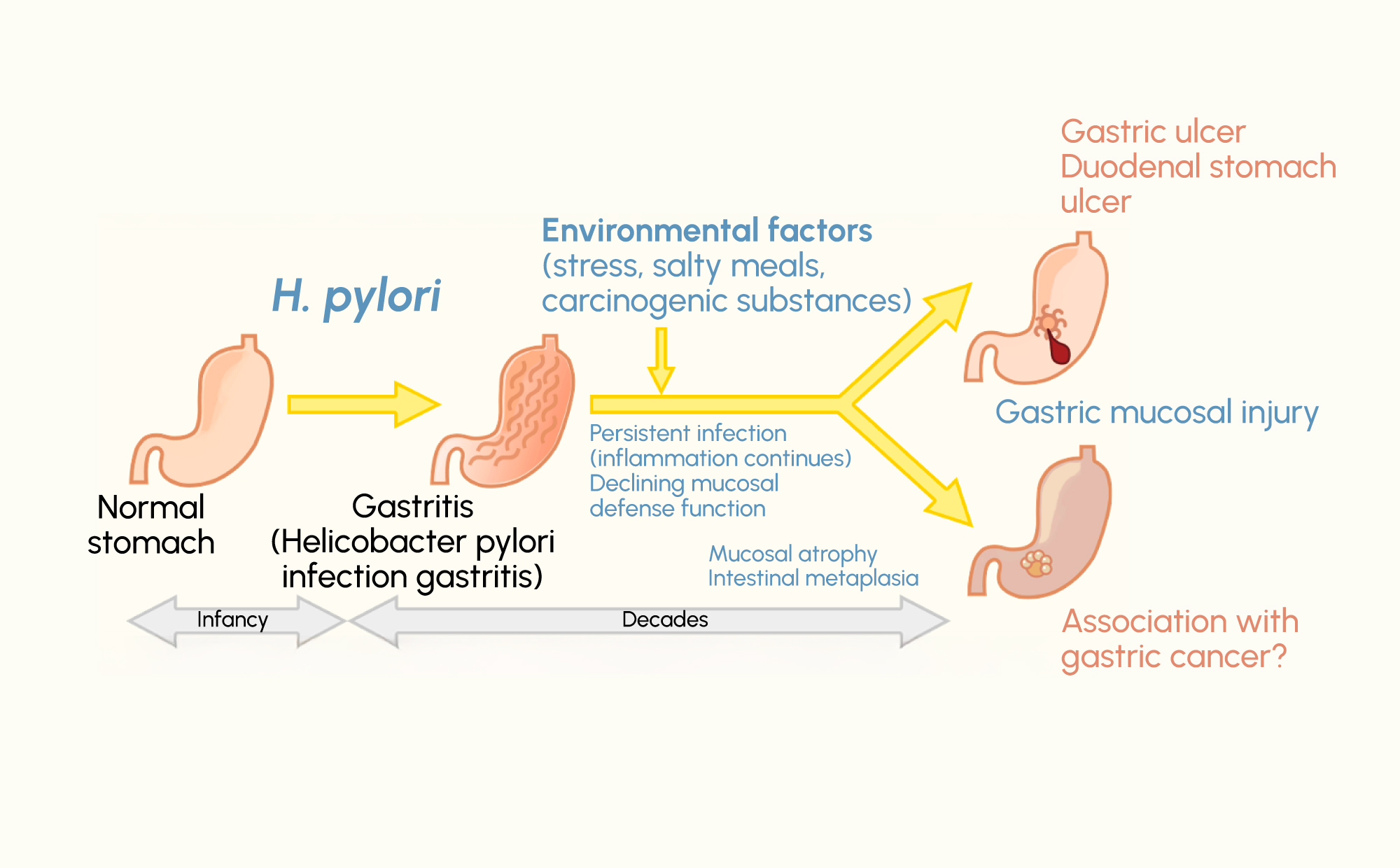
Persistent H. pylori infection can cause chronic inflammation of the gastric mucosa. It represents an important cause of chronic gastritis and has a well-established association with peptic ulcer disease. Nevertheless, not every infected individual develops ulcers or other clinically significant gastric disease.
Long-term infection also has recognized associations with certain gastric malignancies, including gastric adenocarcinoma and gastric mucosa-associated lymphoid tissue lymphoma. However, infection does not mean that an individual will develop cancer. Instead, H. pylori represents one of several factors that healthcare professionals may consider when assessing gastric health and individual risk.
Recognizing the Symptoms of H. pylori Infection
Many people with H. pylori infection have no symptoms. When gastrointestinal symptoms occur, they may include upper abdominal pain or discomfort, bloating, nausea, frequent belching, reduced appetite or other dyspeptic complaints. However, these findings are not specific to H. pylori and can occur with many gastrointestinal conditions.
For this reason, clinical symptoms cannot independently confirm the presence of the bacterium. Healthcare professionals may consider medical history, physical examination and appropriate H. pylori testing when investigating relevant gastrointestinal complaints. In addition, certain symptoms may require further clinical evaluation regardless of H. pylori status.
Why Does H. pylori Testing Matter?
Different diagnostic approaches can provide information about H. pylori infection, including invasive and non-invasive methods selected according to the clinical context. Fluorescence immunoassay (FIA) uses antigen-antibody interactions with analyzer-based signal detection and can support professional laboratory workflows when used according to the assay’s intended purpose. Because specimen requirements, analytical procedures and interpretation criteria vary between methods, healthcare professionals should select the appropriate testing strategy based on clinical guidelines and follow the applicable Instructions for Use.
RapidFor™ H. pylori (FIA)
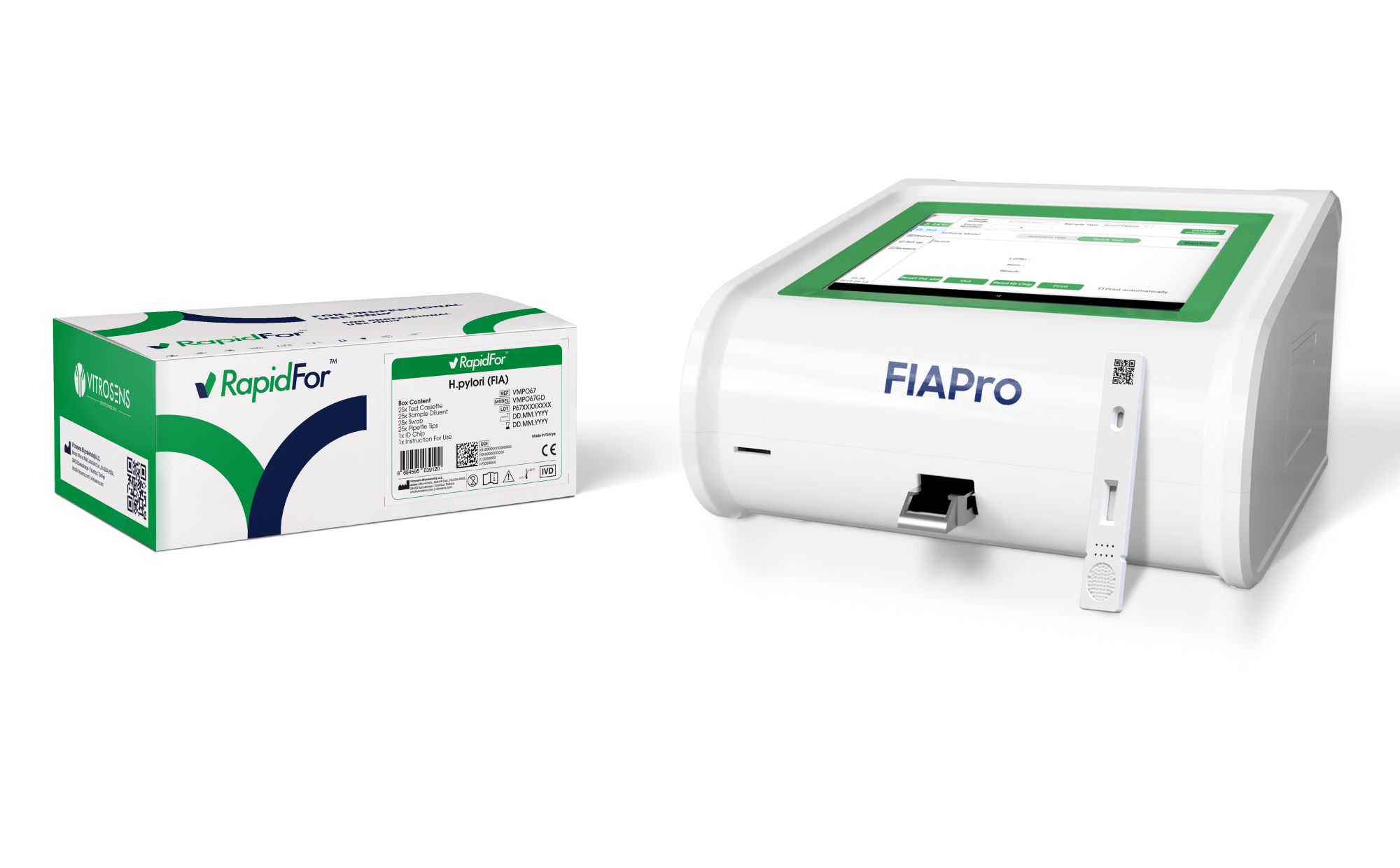
RapidFor™ H. pylori (FIA) is part of the Vitrosens fluorescence immunoassay portfolio and is developed for H. pylori testing according to its stated intended use. The assay operates with the compatible Vitrosens Immunofluorescence Analyzer, supporting analyzer-based testing in professional healthcare environments.
Healthcare professionals should perform the test according to the applicable Instructions for Use, including specified specimen requirements, testing procedures and result interpretation criteria. Moreover, professionals should interpret the assay result together with the patient’s clinical presentation, medical history and other relevant laboratory or diagnostic findings.
Conclusion
Helicobacter pylori remains an important bacterium in gastrointestinal health because persistent infection can contribute to chronic gastritis and peptic ulcer disease and has recognized associations with certain gastric malignancies. At the same time, many infected individuals remain asymptomatic, while gastrointestinal symptoms can overlap with numerous other conditions.
Therefore, appropriate H. pylori testing can provide useful information as part of a broader clinical evaluation. For further information, explore the Vitrosens FIA portfolio or contact sales@vitrosens.com.
References
World Health Organization (WHO). Helicobacter pylori and gastric cancer.
National Institute of Diabetes and Digestive and Kidney Diseases (NIDDK). Definition & Facts for Peptic Ulcers.
Malfertheiner P, Megraud F, Rokkas T, et al. Management of Helicobacter pylori infection: the Maastricht VI/Florence Consensus Report. Gut. 2022;71:1724-1762.
Crowe SE. Helicobacter pylori Infection. New England Journal of Medicine. 2019;380:1158-1165.


