

Iron supports many essential physiological functions, including oxygen transport and normal cellular processes. However, measuring circulating iron alone does not provide a complete picture of the body’s iron reserves. Ferritin testing provides additional information because ferritin is closely associated with stored iron.
The World Health Organization (WHO) recognizes ferritin concentration as a useful marker of iron stores. At the same time, ferritin levels can be influenced by factors other than iron status, particularly infection and inflammation.
What Is Ferritin?
Ferritin is an intracellular protein that binds and stores iron, making it available when the body needs it. Small amounts of ferritin circulate in the blood, where its concentration can provide information about the body’s iron stores.
Iron itself contributes to healthy red blood cell production and oxygen transport. Consequently, assessing iron stores can form an important part of evaluating iron status. However, ferritin and hemoglobin measure different biological parameters: ferritin reflects iron storage, while hemoglobin relates to the oxygen-carrying capacity of red blood cells.
Why Does Ferritin Testing Matter?
Low ferritin concentrations can indicate depleted iron stores and may occur before some other laboratory abnormalities become apparent. For this reason, ferritin measurement can contribute valuable information when healthcare professionals investigate suspected iron deficiency. WHO recommends ferritin as a marker for assessing iron stores, while emphasizing appropriate interpretation according to the individual’s health status.
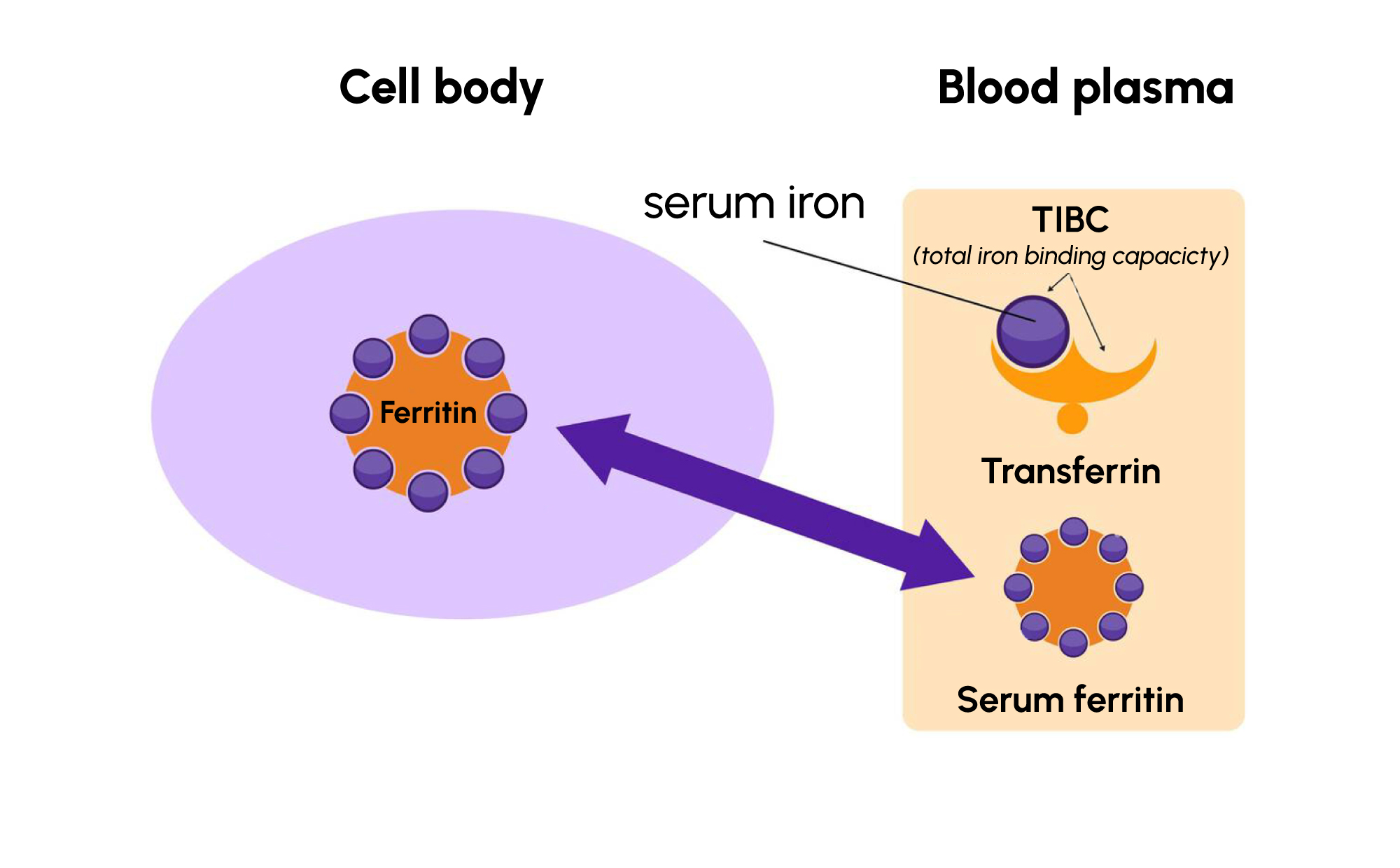
Importantly, iron deficiency and anemia are not synonymous. Iron deficiency may occur without anemia, while anemia can have causes unrelated to iron deficiency. Therefore, healthcare professionals may evaluate ferritin alongside hemoglobin and other relevant laboratory and clinical findings rather than relying on one parameter alone.
When Can Ferritin Levels Change?
Ferritin concentrations can decrease when the body’s iron stores become depleted. Iron requirements and iron balance can vary according to factors such as age, diet, growth, pregnancy, menstrual blood loss and certain conditions affecting nutrient absorption. Healthcare professionals consider these factors when evaluating an individual’s iron status.
Conversely, elevated ferritin does not automatically indicate excessive iron stores. Ferritin behaves as an acute-phase reactant and concentrations may increase during infection or inflammation. Liver disease and several other clinical conditions can also affect ferritin levels. As a result, an elevated value requires appropriate interpretation rather than being considered a standalone indication of iron overload.
Ferritin, Inflammation and Result Interpretation
Inflammation represents one of the most important considerations in ferritin testing. WHO specifically notes that inflammation can increase ferritin concentrations and recommends accounting for this effect when assessing iron status. In settings where infection or inflammation is common, additional inflammatory markers may provide useful contextual information.
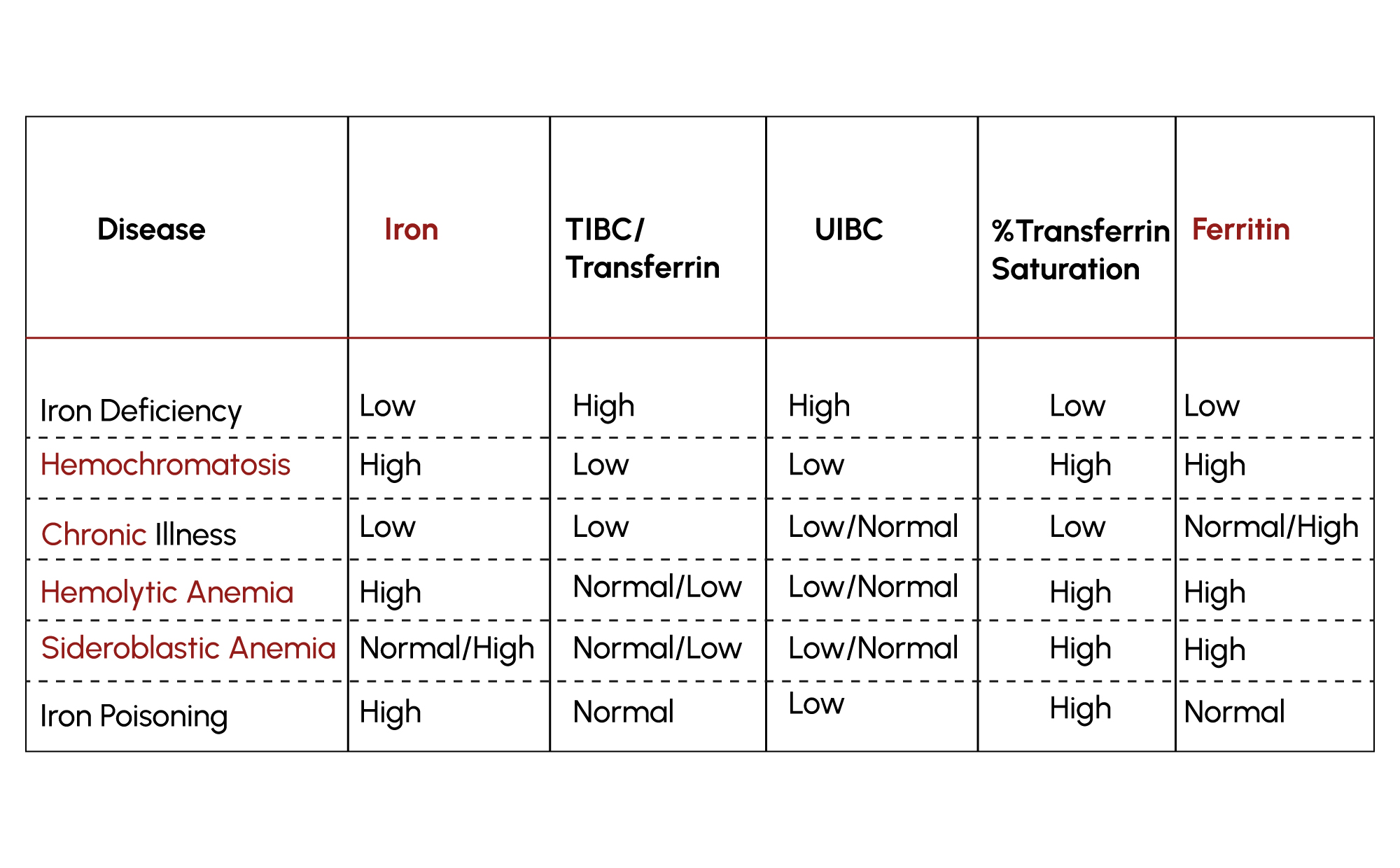
Therefore, a ferritin result should not be interpreted through a universal assumption such as “low means anemia” or “high means iron overload.” Reference values and clinical interpretation can depend on the assay, laboratory, patient characteristics and clinical circumstances. Healthcare professionals should use the applicable reference information and consider additional investigations when necessary.
The Role of FIA in Ferritin Measurement
Fluorescence immunoassay (FIA) uses specific antigen-antibody interactions together with fluorescence-based signal detection. A compatible analyzer measures the generated fluorescence signal according to the parameters established for the individual assay.
In professional diagnostic workflows, FIA can provide an analyzer-based approach to measuring biomarkers such as ferritin. However, specimen requirements, measurement ranges, procedures and interpretation criteria are product-specific. Therefore, users should always follow the applicable Instructions for Use rather than applying general ferritin thresholds directly to every assay.
Product Focus: RapidFor™ Ferritin (FIA)
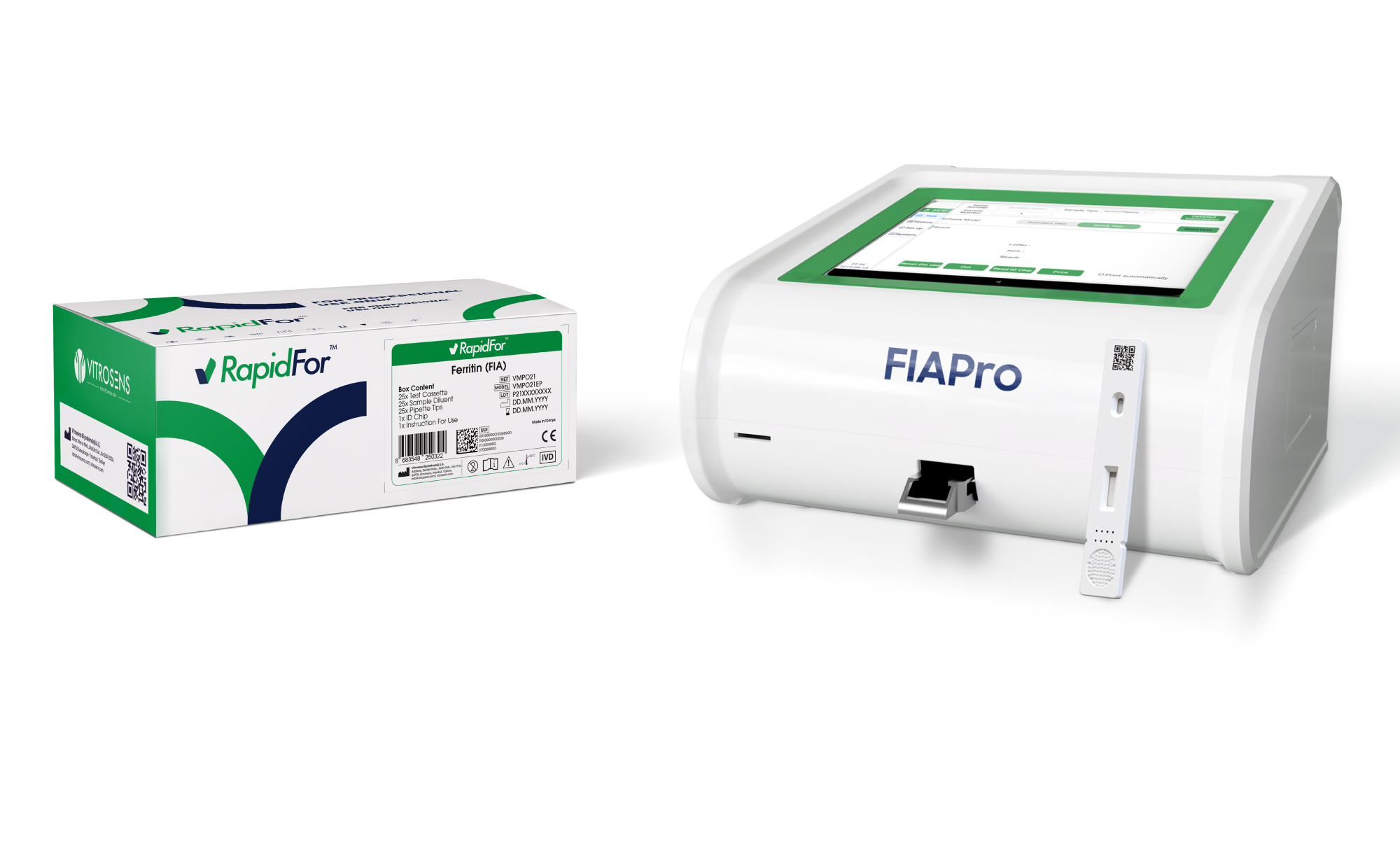
The RapidFor™ Ferritin (FIA) is a fluorescence immunoassay designed for the measurement of ferritin according to the product’s defined intended use. The assay operates with the compatible FIAPro Vitrosens immunofluorescence analyzer, providing analyzer-based ferritin measurement for professional healthcare settings.
Ferritin results can provide information related to iron stores as part of an overall clinical assessment. Specimen requirements, test procedure, measurement range and result interpretation should follow the applicable Instructions for Use.
Conclusion
Ferritin provides valuable information about the body’s iron reserves and plays an established role in the assessment of iron status. Nevertheless, ferritin testing requires appropriate interpretation because inflammation, infection and other clinical factors may influence circulating ferritin concentrations.
When healthcare professionals combine ferritin results with patient history, clinical findings and other relevant laboratory parameters, ferritin measurement can contribute useful information to a broader evaluation of iron status. To learn more about the assay and other FIA solutions, explore the Vitrosens FIA portfolio or contact sales@vitrosens.com.
References
- World Health Organization. WHO Guideline on Use of Ferritin Concentrations to Assess Iron Status in Individuals and Populations. Geneva: WHO; 2020.
- World Health Organization. Use of Ferritin Concentrations to Assess Iron Status in Individuals and Populations. Updated 2023.
- MedlinePlus. Ferritin Blood Test. U.S. National Library of Medicine.


