

Rhinovirus and Adenovirus testing can support clinical evaluation when patients present with overlapping respiratory symptoms such as cough, sore throat, nasal congestion, fever or general cold-like illness. Because different respiratory viruses may look similar at first, rapid testing can help healthcare professionals approach differential diagnosis more efficiently.
Respiratory Viruses Beyond Flu, RSV and COVID-19
Rhinoviruses are the most frequent cause of the common cold, and most infections are asymptomatic or mild. However, they can still contribute to clinical visits, school or work absence and exacerbations in patients with asthma or underlying respiratory disease.
Upper respiratory tract infections are among the most common illnesses worldwide. A 2025 StatPearls review notes that rhinoviruses are responsible for approximately 50% to 80% of common cold cases, making them one of the most important viral causes of acute upper respiratory symptoms.
CDC’s Acute Respiratory Illness metric includes a broad range of respiratory conditions, from the common cold to severe viral infections, showing why differential testing can be useful when symptoms overlap.

Adenovirus in Respiratory Illness
Adenoviruses are common viruses that can affect people of all ages. CDC states that adenoviruses typically cause mild cold or flu-like symptoms, but they may also cause fever, sore throat, acute bronchitis, pneumonia, conjunctivitis and gastroenteritis.
Adenovirus is usually less frequent than rhinovirus in routine respiratory infection testing, but it remains clinically relevant. A meta-analysis cited in a respiratory virus prevalence study reported mean prevalence estimates of 13.6% for RSV, 10% for influenza virus, 5.6% for parainfluenza virus and 3.8% for adenovirus among respiratory viral infections.
Why Differential Diagnosis Matters
Respiratory symptoms can overlap across many viral and bacterial infections. A patient with nasal congestion, sore throat and fever may have a mild viral illness, but the exact cause may not be clear from symptoms alone.
In professional workflows, Rhinovirus and Adenovirus testing can support the evaluation of two common respiratory viral agents using a practical antigen-based approach. Test results should always be interpreted together with clinical findings, patient history, epidemiological information and other diagnostic data when needed.

RapidFor™ Rhinovirus + ADV Test Kit
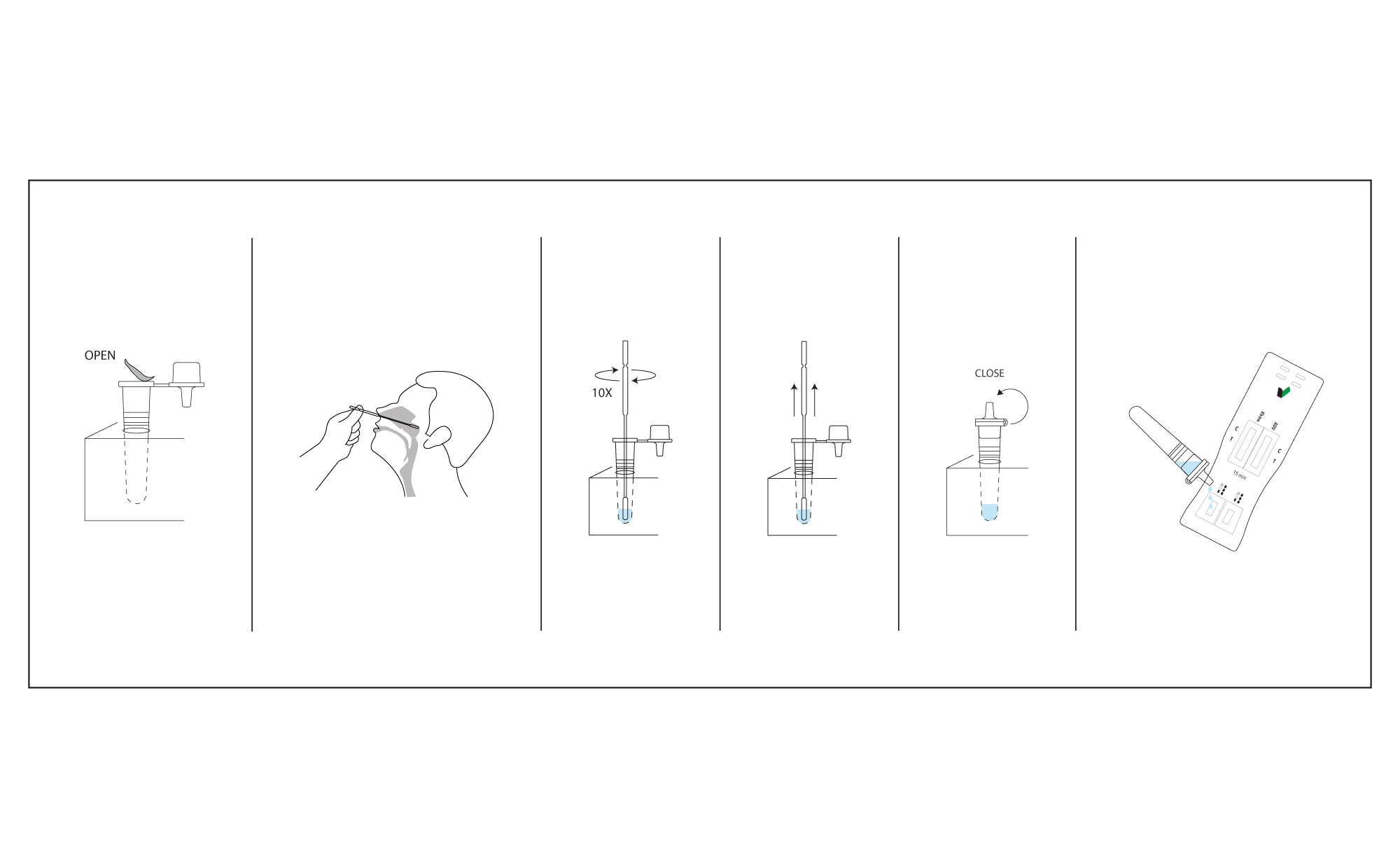
RapidFor™ Rhinovirus + ADV Test Kit is designed for the qualitative detection of Rhinovirus and Adenovirus antigens in nasopharyngeal swab specimens from individuals with signs and symptoms of respiratory tract infection.
The test is intended to aid in the differential diagnosis of Rhinovirus and Adenovirus infections in conjunction with clinical and epidemiological risk factors. As a rapid immunochromatographic test, it supports professional testing workflows with result interpretation after 15 minutes.
- Enables combined Rhinovirus and Adenovirus antigen detection from a single nasopharyngeal swab sample
- Supports qualitative detection of clinically relevant respiratory viral antigens
- Designed for professional respiratory infection testing workflows
- Supports differential diagnosis when symptoms overlap
- Provides results after 15 minutes
- Practical cassette-based format for rapid antigen testing
A rapid antigen test can provide useful information, but it should not be interpreted as a standalone confirmed diagnosis. Negative results may occur when antigen levels are below the detection limit or when sample collection, storage or transport is not optimal.
Conclusion
Rhinovirus and adenovirus are both important causes of respiratory illness, and their symptoms may overlap with other common infections. Vitrosens’s rapid antigen testing can support professional workflows by helping clinicians evaluate suspected respiratory viral infections more efficiently and make informed next-step decisions.
Explore how RapidFor™ Rhinovirus + ADV Test Kit can support professional respiratory infection testing workflows. Contact sales@vitrosens.com to learn more.
References
- Centers for Disease Control and Prevention. “Other Respiratory Illnesses Going Around.” CDC, 2026.
- Centers for Disease Control and Prevention. “About Adenovirus.” CDC, 2025.
- Pappas, D. E. “The Common Cold.” Principles and Practice of Pediatric Infectious Diseases, 2020.
- Kennedy, J. L.; Turner, R. B.; Braciale, T.; Heymann, P. W.; Borish, L. “Pathogenesis of Rhinovirus Infection.” Current Opinion in Virology. 2012;2(3):287-293.
- Lynch, J. P.; Kajon, A. E. “Adenovirus: Epidemiology, Global Spread of Novel Serotypes, and Advances in Treatment and Prevention.” Seminars in Respiratory and Critical Care Medicine. 2016;37(4):586-602.
- Zhang, N.; Wang, L.; Deng, X.; et al. “Recent Advances in the Detection of Respiratory Virus Infection in Humans.” Journal of Medical Virology. 2020;92(4):408-417.


