

GLP-1-based therapies have gained significant attention in the management of type 2 diabetes and obesity. As medications such as semaglutide, liraglutide and the dual GIP/GLP-1 receptor agonist tirzepatide become increasingly discussed, an important question emerges:
Which laboratory parameters may be relevant before and during treatment?
What Is GLP-1 Therapy?
Glucagon-like peptide-1 (GLP-1) is a hormone involved in glucose regulation, insulin secretion and appetite signaling.
GLP-1 receptor agonists mimic aspects of this biological pathway and are prescribed for specific approved indications, including type 2 diabetes and chronic weight management.
Although these medications can affect metabolic health, treatment monitoring involves more than observing changes in body weight.
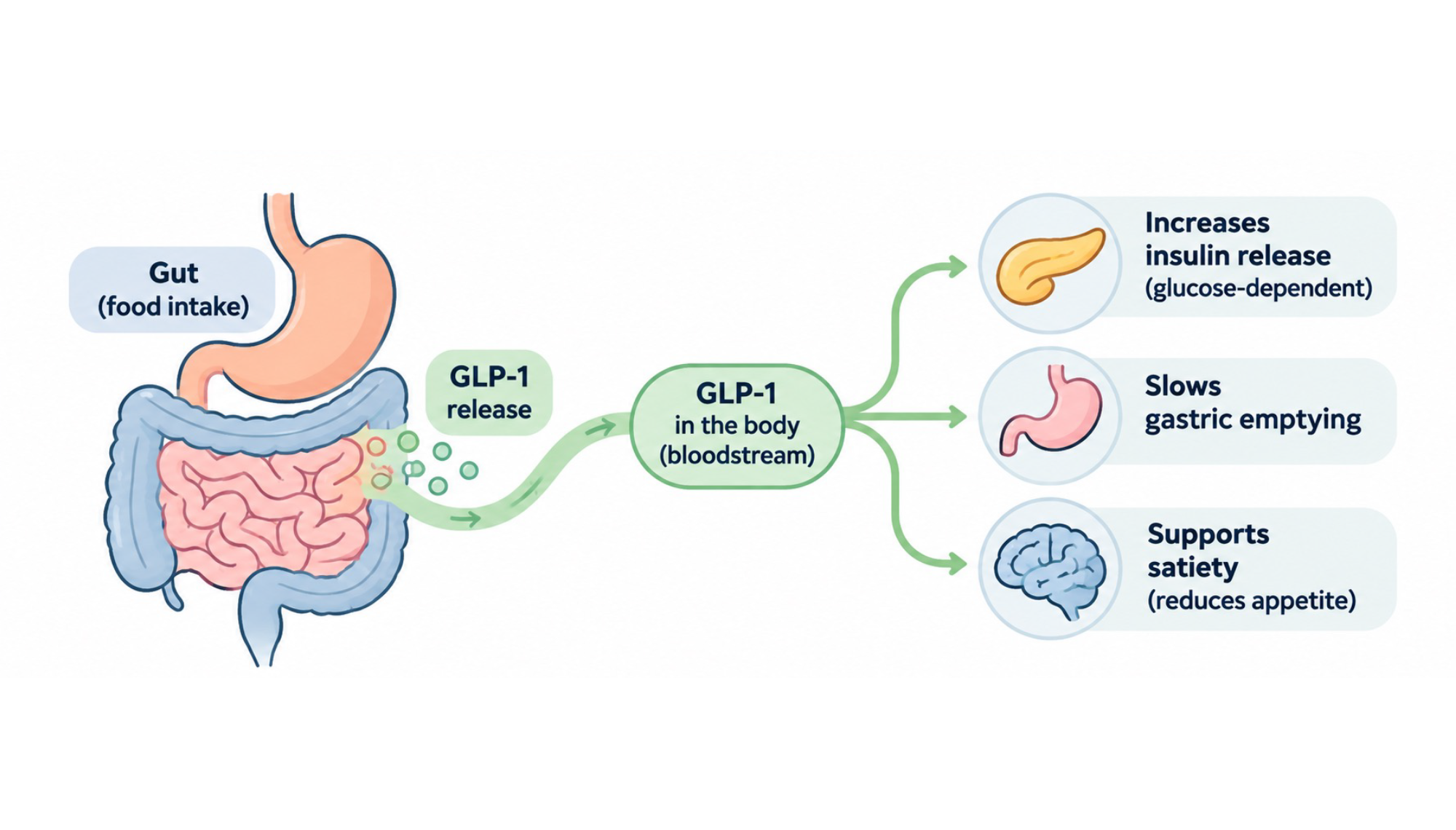
Which Laboratory Parameters May Be Relevant?
- HbA1c: Understanding Long-Term Glucose Control
Hemoglobin A1c (HbA1c) reflects average blood glucose levels over approximately two to three months. It is an established marker for assessing glycemic control and treatment response in type 2 diabetes, although routine monitoring may not be necessary for GLP-1 users without diabetes.
- Creatinine: Evaluating Kidney Function
Creatinine is used to assess kidney function and calculate estimated glomerular filtration rate (eGFR). GLP-1-related gastrointestinal effects, such as vomiting and diarrhea, may cause dehydration and affect kidney function, making monitoring relevant in selected patients.
- Cystatin C: An Additional Kidney Function Marker
Cystatin C provides additional information about kidney filtration, particularly when creatinine-based estimates are less reliable due to factors such as changes in muscle mass or body composition.
- Microalbumin: Assessing Kidney Health
Urinary albumin measurement helps assess kidney health, particularly in individuals with diabetes. Kidney evaluation commonly includes urine albumin-to-creatinine ratio (UACR) and eGFR, with urine creatinine required to calculate UACR.
- TSH: When Is Thyroid Assessment Relevant?
Thyroid-stimulating hormone (TSH) helps evaluate thyroid function when clinically indicated. Although certain GLP-1 medications have contraindications related to medullary thyroid carcinoma and MEN2, TSH does not screen for these conditions and is not routinely required for GLP-1 monitoring.
Are All These Laboratory Tests Necessary During GLP-1 Therapy?
According to the American Diabetes Association (ADA) Standards of Care in Diabetes 2026, glycemic assessment and kidney health evaluation are important components of diabetes management. Kidney assessment includes estimated glomerular filtration rate (eGFR) and urine albumin-to-creatinine ratio (UACR), while HbA1c supports the evaluation of long-term glycemic control.
Therefore, individualized laboratory assessment remains essential for appropriate clinical monitoring.
The Role of Fluorescence Immunoassay in Laboratory Testing
Fluorescence immunoassay (FIA) is an analytical technique that uses fluorescent signals to detect and measure specific targets. When combined with a compatible analyzer, FIA technology enables quantitative measurement of supported biomarkers according to the intended use of each assay.
This approach can support professional laboratory workflows across different clinical testing areas, including metabolic, renal and hormonal assessment.
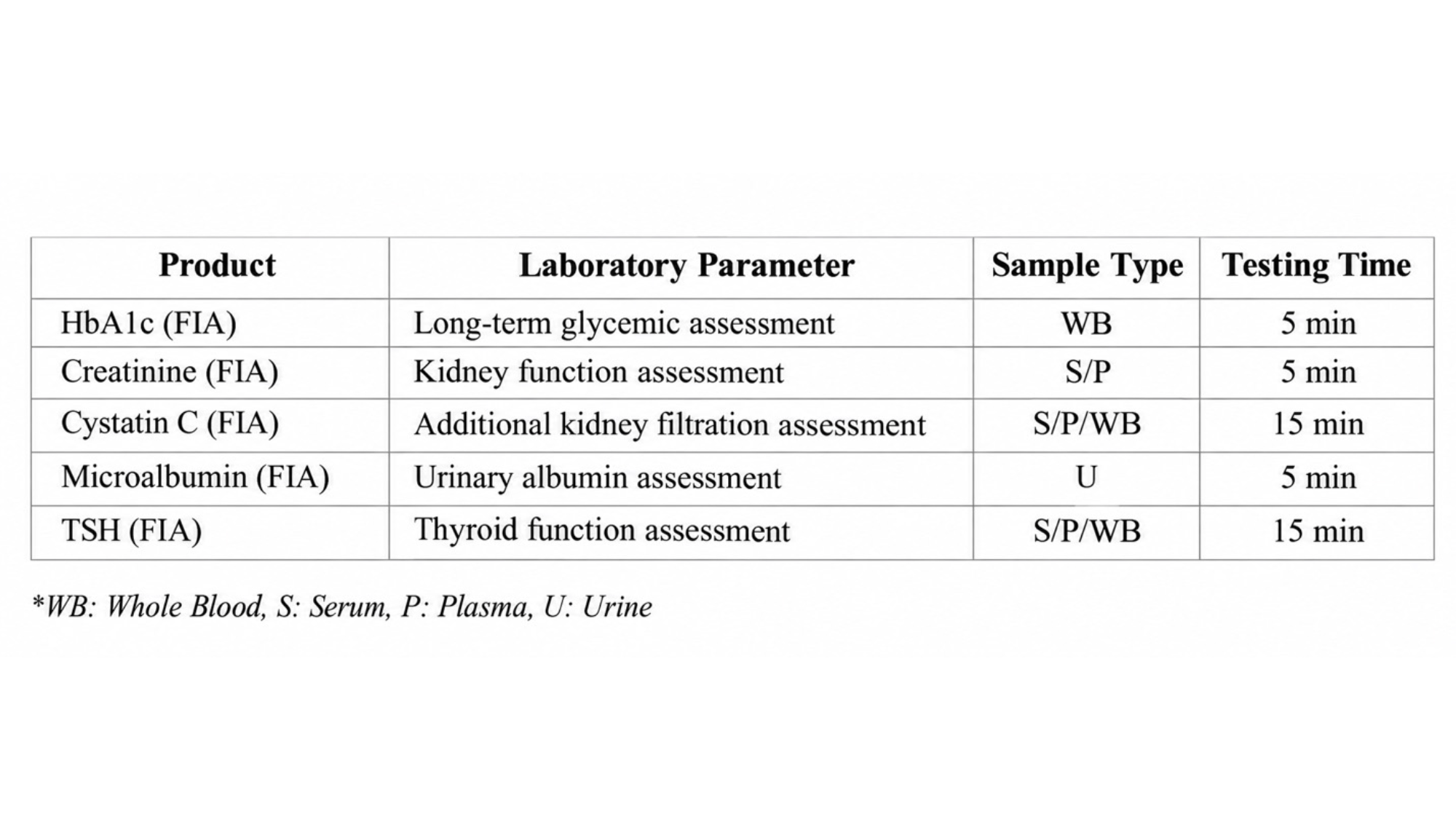
The Vitrosens FIA portfolio includes several assays for biomarkers that may be relevant to metabolic health assessment and selected clinical monitoring requirements.
FIAPro™ Immunofluorescence Analyzer: Multiple Parameters, One Platform
The FIAPro™ Immunofluorescence Analyzer supports professional laboratory testing through compatible fluorescence immunoassay kits.
Designed with a compact and portable structure, the analyzer provides a practical platform for measuring different biomarkers using assay-specific testing procedures.
- Quantitative Results: Measurement of supported biomarkers through fluorescence-based detection.
- Rapid Testing: Efficient analysis using assay-specific workflows.
- Easy Operation: Practical operation designed for professional diagnostic settings.
- Portable Design: Compact structure suitable for flexible laboratory environments.
- Multiple Testing Parameters: Compatibility with a range of FIA assays using a single analyzer platform.
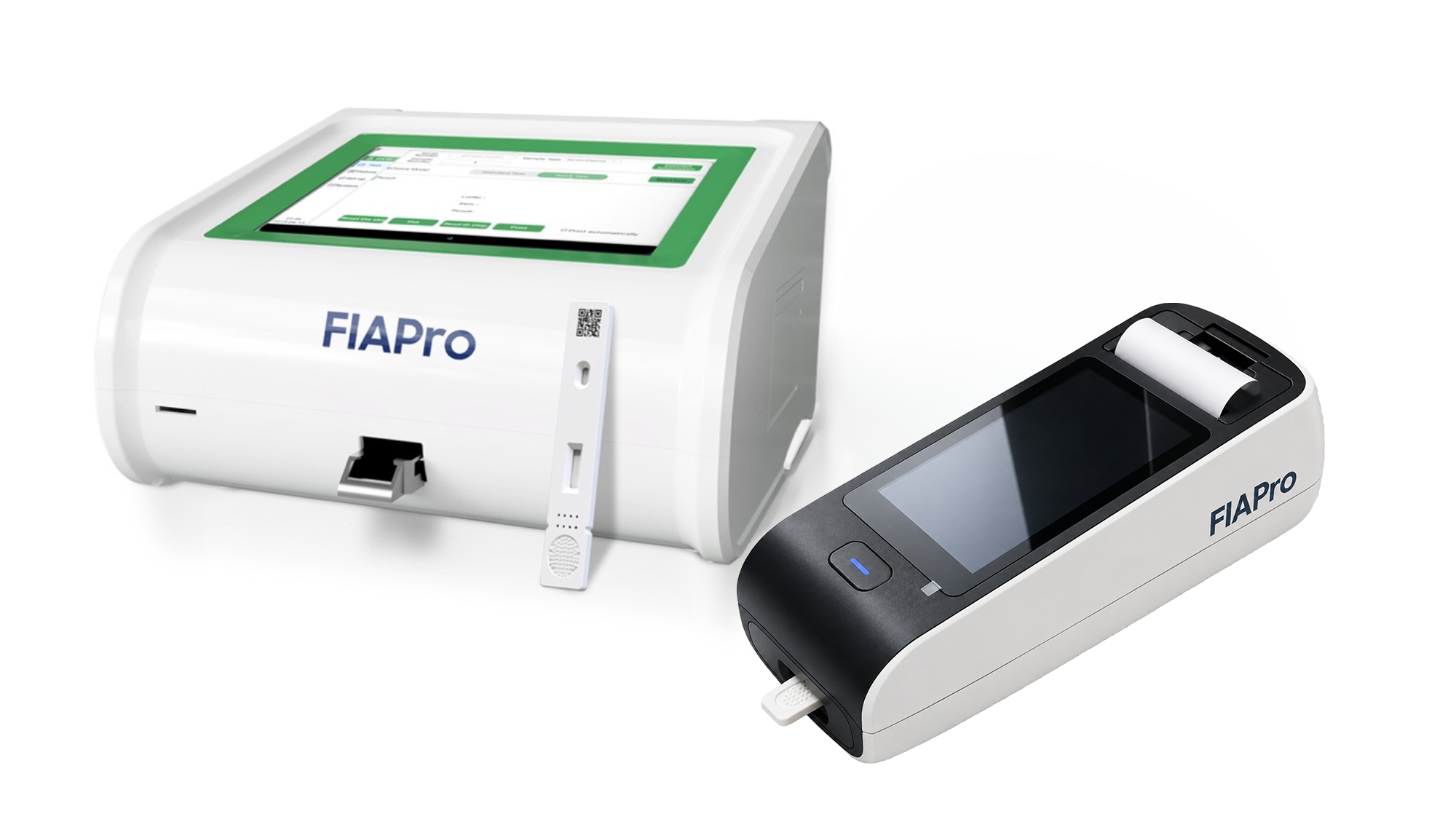
The FIAPro™ system allows laboratories to work with different compatible test kits without requiring a separate analyzer for each biomarker.
Understanding Metabolic Health Through Laboratory Diagnostics
The growing attention surrounding GLP-1-based therapies has also increased interest in the laboratory parameters used to evaluate metabolic health. HbA1c provides information about long-term glycemic control, while creatinine, cystatin C and urinary albumin contribute to different aspects of kidney assessment.
These biomarkers answer different clinical questions and should be selected according to individual patient needs rather than as a standardized panel for all GLP-1 users.
Through its fluorescence immunoassay portfolio and FIAPro™ Immunofluorescence Analyzer, Vitrosens Biotechnology supports professional biomarker measurement across multiple laboratory testing applications.
To learn more about Vitrosens solutions, explore the FIA portfolio or contact sales@vitrosens.com.
References
- American Diabetes Association (ADA). Standards of Care in Diabetes 2026: Glycemic Goals, Hypoglycemia, and Hyperglycemic Crises.
- American Diabetes Association (ADA). Standards of Care in Diabetes 2026: Chronic Kidney Disease and Risk Management.
- U.S. Food and Drug Administration (FDA). ZEPBOUND (tirzepatide): Prescribing Information.
- Kidney Disease: Improving Global Outcomes (KDIGO). 2024 Clinical Practice Guideline for the Evaluation and Management of Chronic Kidney Disease.


