

Every year on 29 September, World Heart Day brings global attention to cardiovascular disease and the importance of protecting heart health. In 2026, the World Heart Federation continues its “Don’t Miss a Beat” campaign, highlighting the importance of recognizing cardiovascular signs and symptoms that can otherwise go unnoticed. Cardiac biomarkers can also provide healthcare professionals with laboratory information when evaluating patients in an appropriate clinical setting.
Why Heart Health Deserves Global Attention
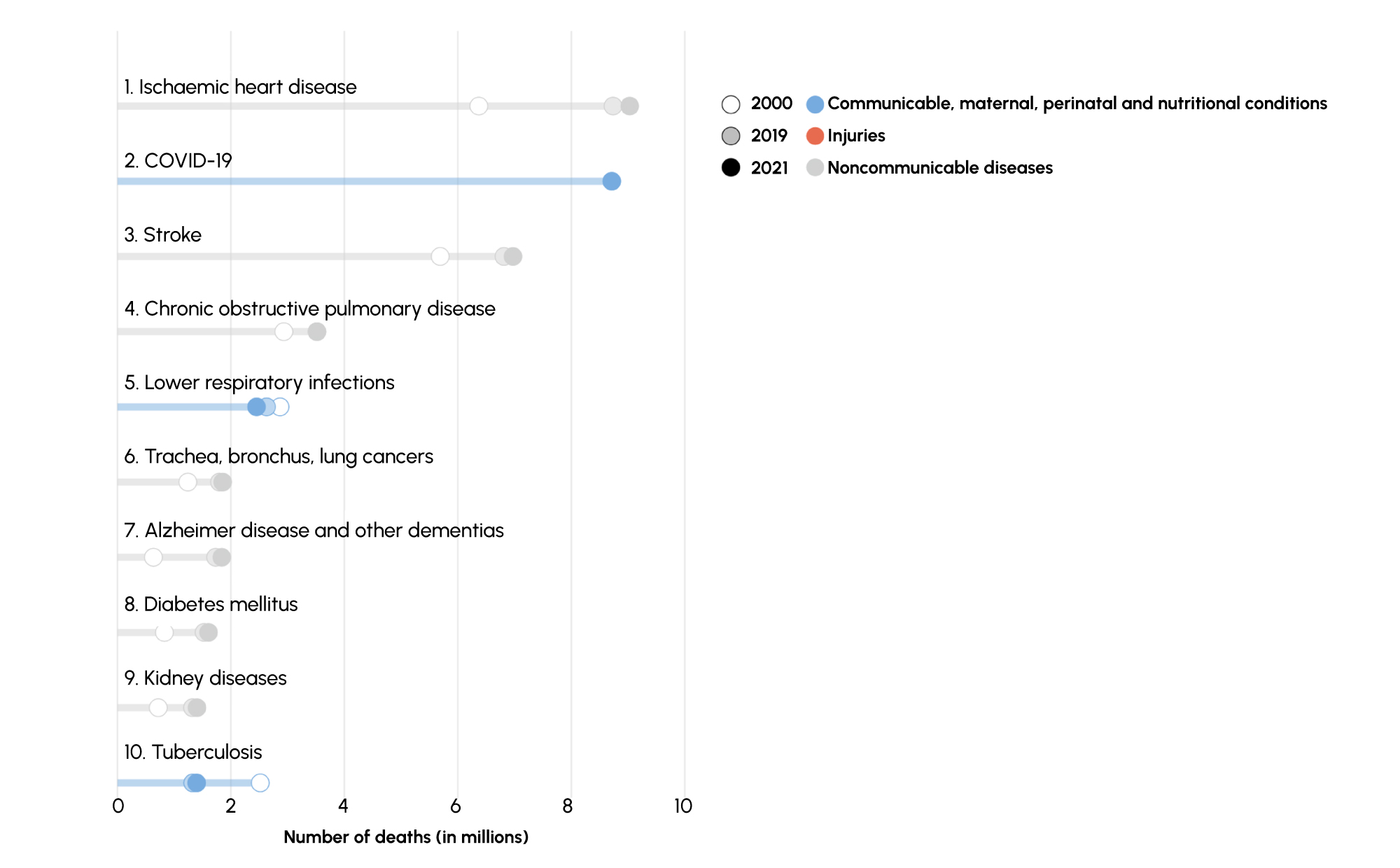
Cardiovascular diseases include a broad group of conditions affecting the heart and blood vessels. Their development and clinical presentation can involve multiple factors, including high blood pressure, diabetes, abnormal blood lipid levels, smoking, obesity, physical inactivity and family history.
Importantly, cardiovascular disease does not always present with obvious warning signs. The World Heart Federation’s 2026 campaign particularly emphasizes recognizing signs and symptoms that might otherwise be overlooked. At the same time, maintaining healthy habits and appropriately managing modifiable risk factors remain important parts of cardiovascular health.
Recognizing the Signs Is Only Part of the Picture
Chest discomfort, shortness of breath, unusual fatigue, dizziness or other symptoms may prompt further medical assessment. However, symptoms alone do not always reveal their underlying cause. Healthcare professionals therefore evaluate the overall clinical picture and may use physical examination, electrocardiography, imaging and laboratory testing as appropriate.
Laboratory biomarkers can contribute additional information during this process. Different cardiac markers reflect different biological processes and have different diagnostic characteristics. Consequently, no laboratory value should be interpreted without considering the patient’s symptoms, medical history, timing of specimen collection and other clinical findings.
Cardiac Biomarkers in Clinical Evaluation
Among the biomarkers associated with myocardial injury, Troponin I, CK-MB and Myoglobin are commonly evaluated laboratory parameters. Although all three may provide information related to muscle or myocardial injury, they differ in tissue specificity, release pattern and clinical interpretation.
- Troponin I is a cardiac-specific protein released when myocardial cells are injured. Increased Troponin I concentrations may indicate myocardial injury and are interpreted together with symptoms, ECG findings, imaging and serial measurements where appropriate. Low or non-elevated values do not independently exclude cardiac disease, particularly when testing is performed outside the relevant diagnostic window.
- CK-MB is an isoenzyme of creatine kinase that is found in relatively high concentrations in cardiac muscle. Elevated CK-MB may occur with myocardial injury, but other muscle-related conditions can also influence the result. Therefore, CK-MB should be interpreted within the broader clinical context rather than as a standalone indicator.
- Myoglobin is an oxygen-binding protein present in both cardiac and skeletal muscle. Its concentration can rise relatively early after muscle injury; however, it is less specific to the heart because skeletal muscle damage may also increase myoglobin levels. For this reason, an elevated result should be considered alongside other cardiac biomarkers and clinical findings.
The timing of biomarker release is also important. Different markers may rise and fall at different stages following tissue injury, which is why healthcare professionals may consider serial testing and multiple clinical findings when appropriate. This is also why a single high or low value should not be interpreted in isolation.
This distinction is especially relevant to the message of World Heart Day. Recognizing warning signs is important, but appropriate professional assessment is necessary to understand what those signs and laboratory findings mean.
From Cardiac Biomarkers to FIA Technology
Fluorescence immunoassay (FIA) combines antigen-antibody interactions with fluorescence-based signal detection. A compatible analyzer measures the fluorescence signal and processes it according to the parameters established for the specific assay.
FIA-based testing can therefore provide a practical platform for measuring defined cardiac biomarkers in professional healthcare environments. However, specimen requirements, measurement ranges, procedures and interpretation criteria depend on the individual assay. Users should always follow the applicable Instructions for Use.
Product Focus: Vitrosens Cardiac Marker FIA Portfolio
Vitrosens offers Troponin I (FIA), CK-MB (FIA) and Myoglobin (FIA) within its cardiac marker portfolio for professional use. These assays operate with the compatible Vitrosens immunofluorescence analyzer and provide laboratory information related to their respective biomarkers according to each product’s defined intended use.
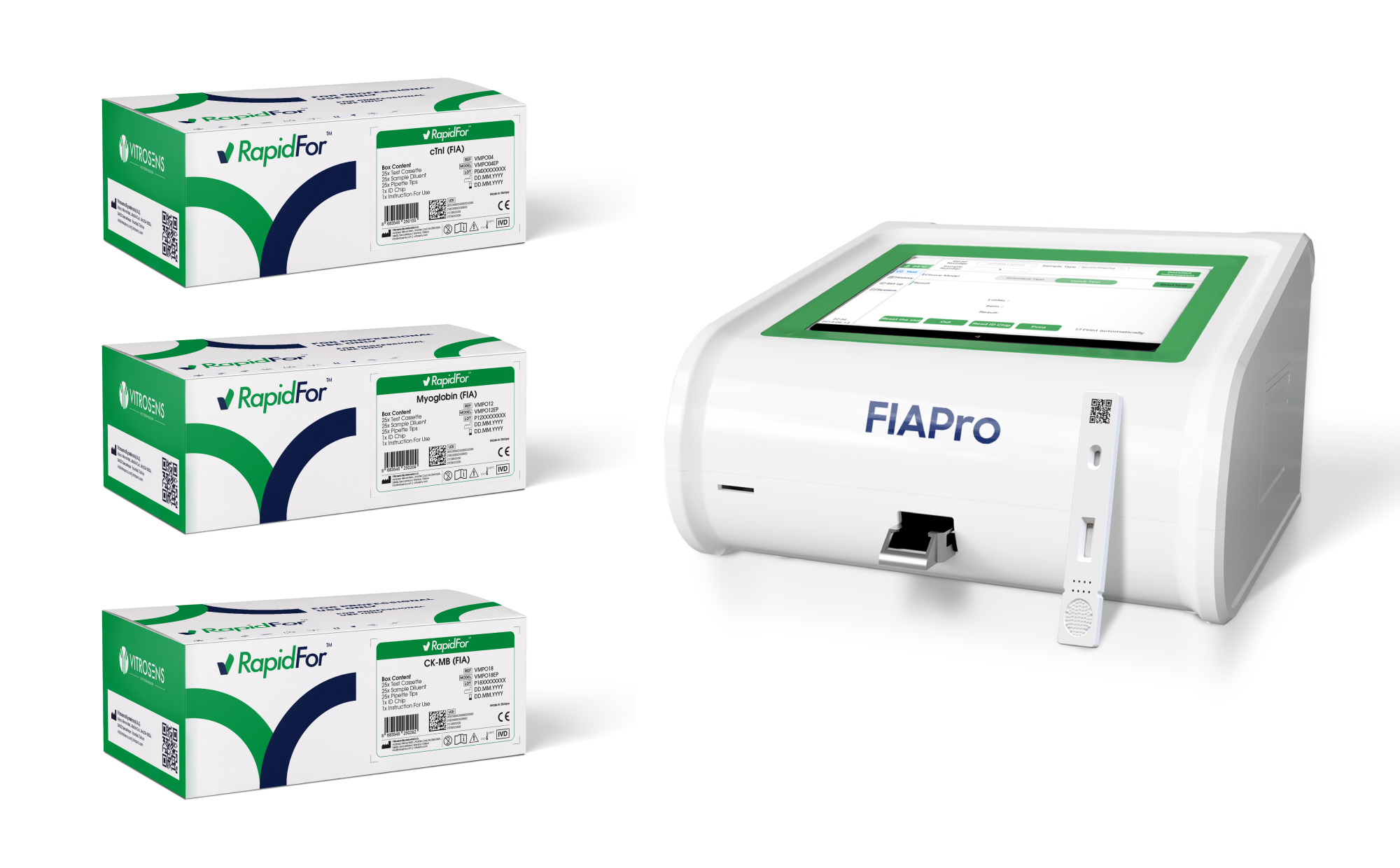
Rather than representing standalone diagnoses, cardiac biomarker results form part of the broader clinical assessment. Healthcare professionals should interpret results together with relevant clinical findings and follow the applicable product Instructions for Use regarding specimen requirements, testing procedures and result interpretation.
Conclusion
of lives worldwide, while many warning signs may remain unrecognized. Its 2026 “Don’t Miss a Beat” campaign focuses on greater awareness of CVD symptoms, prevention and the importance of protecting heart health through informed action.
Within professional healthcare settings, Troponin I, CK-MB and Myoglobin can provide different pieces of laboratory information related to myocardial injury. To learn more about the assay and other POCT testing solutions, explore the Vitrosens portfolio or contact sales@vitrosens.com.
References
- World Heart Federation. World Heart Day 2026: Don’t Miss a Beat. World Heart Federation.
- World Heart Federation. World Heart Day 2026 Campaign Resources.
- PACE Hospitals. World Heart Day – Theme, History and Importance.
- World Health Organization (WHO). Cardiovascular diseases (CVDs). Fact Sheet, 31 July 2025.


