

Every year on 17 September, World Patient Safety Day highlights the importance of reducing avoidable harm in healthcare. In 2026, the World Health Organization (WHO) focuses on “Safe care for noncommunicable diseases” under the slogan “Safe care for life!” This year’s campaign emphasizes patient safety across the entire care pathway, from prevention and early detection to diagnosis, treatment and long-term management.
Why Patient Safety Matters in NCD Care
Noncommunicable diseases (NCDs), including cardiovascular diseases, cancers, diabetes and chronic respiratory diseases, often require repeated interactions with healthcare systems over many years. According to WHO, globally 1 in 10 patients experiences harm during healthcare, and around half of this harm is considered preventable. For people living with NCDs, long-term treatment, multiple conditions and complex care pathways can create additional opportunities for safety risks.
Patient safety therefore involves much more than preventing procedural errors. Clear communication, appropriate laboratory testing, careful interpretation of results, medication safety and continuity of care can all contribute to safer healthcare. WHO specifically encourages healthcare professionals to support early detection and accurate diagnosis while interpreting test results carefully, particularly in people living with multiple conditions.
CEA and Its Role in Clinical Assessment
Carcinoembryonic antigen (CEA) is a protein that can be measured in clinical specimens and is commonly discussed in relation to certain cancers. However, CEA concentrations can also be influenced by non-cancerous conditions and other factors. Therefore, an abnormal CEA result alone cannot establish a new cancer diagnosis.
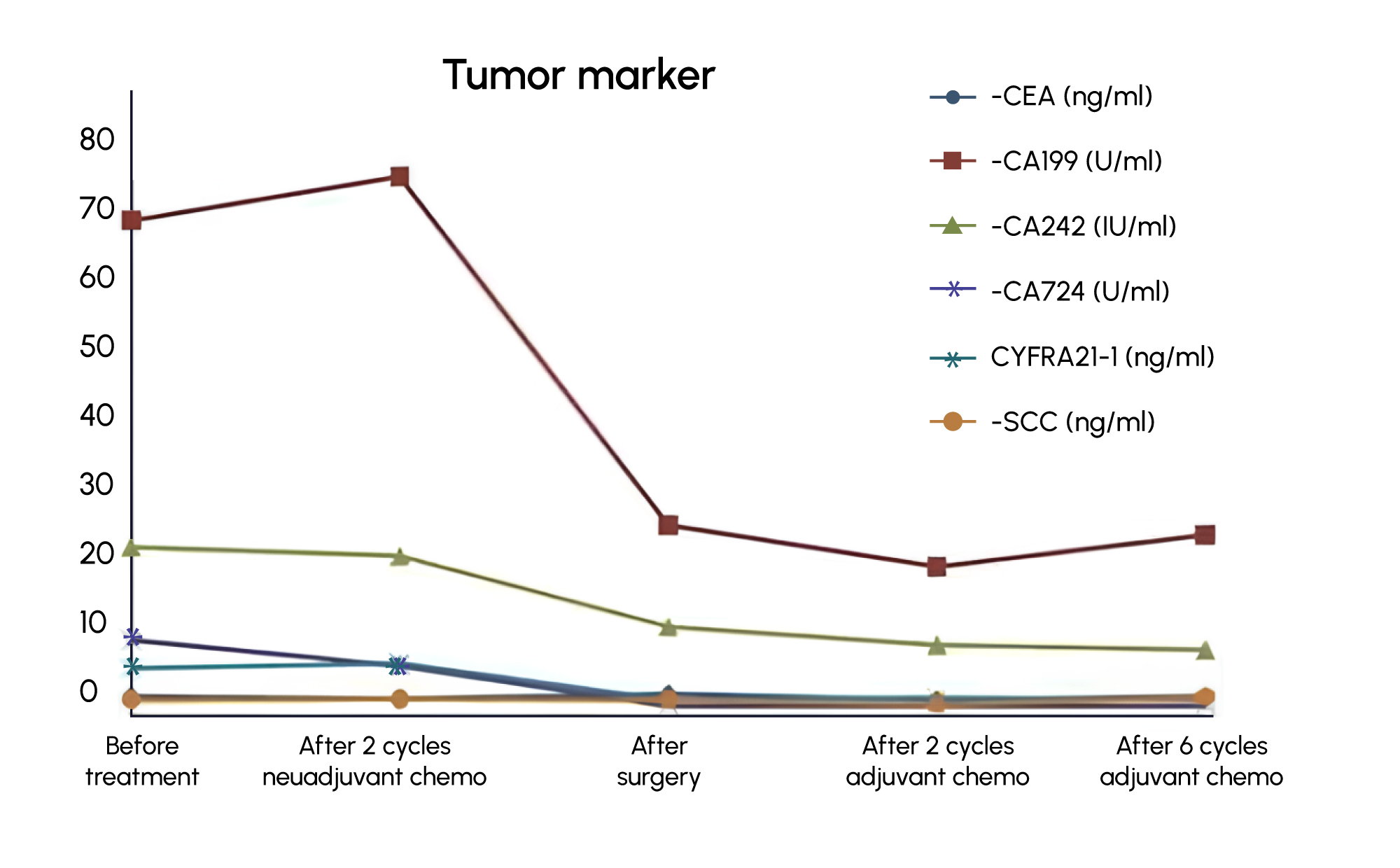
This distinction provides a useful example of why appropriate test interpretation is closely connected with patient safety. CEA should not be presented as a standalone cancer screening or diagnostic test. Depending on the clinical context, CEA measurements may instead contribute information alongside established diagnosis, treatment monitoring and follow-up strategies.
Product Focus: RapidFor™ CEA Test Kit
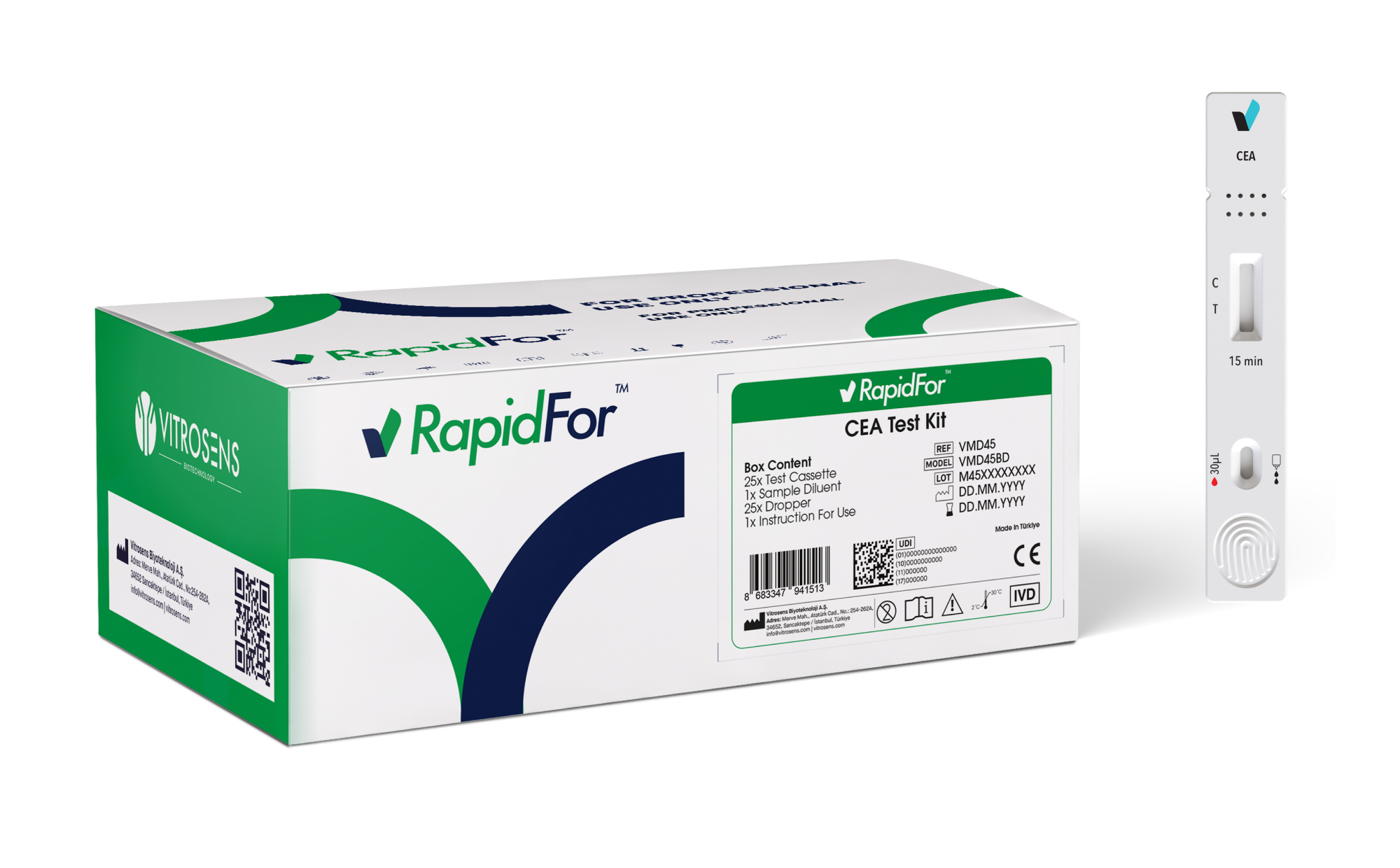
The RapidFor™ CEA Test Kit is an immunochromatographic lateral-flow assay intended for the qualitative and/or semi-quantitative detection of carcinoembryonic antigen (CEA) in a clinical specimen according to its defined intended use. Designed for professional laboratory or point-of-care use, the test requires 1 drop of specimen and provides results in 15 minutes. It is not intended for self-testing.
CEA results should not be interpreted alone as a diagnosis of cancer. Healthcare professionals should evaluate results according to the product’s intended use, applicable Instructions for Use and other relevant clinical information.
From Test Performance to Safe Result Interpretation
Rapid immunochromatographic tests use capillary flow and antigen-antibody interactions to generate visual test lines. Although the technology provides a straightforward visual format, correct procedure and result interpretation remain essential.
For Vitrosens lateral-flow rapid tests, the Control line (C) confirms that the test has run correctly and must appear for the result to be considered valid. Where applicable according to the specific assay’s Instructions for Use, the appearance of both Control (C) and Test (T) lines indicates a positive result, while the appearance of the Control line only indicates a negative result. A visible Test line should be interpreted according to the product-specific IFU even when its intensity is weak. If the Control line does not appear, the result is invalid and the test should be repeated according to the applicable instructions.
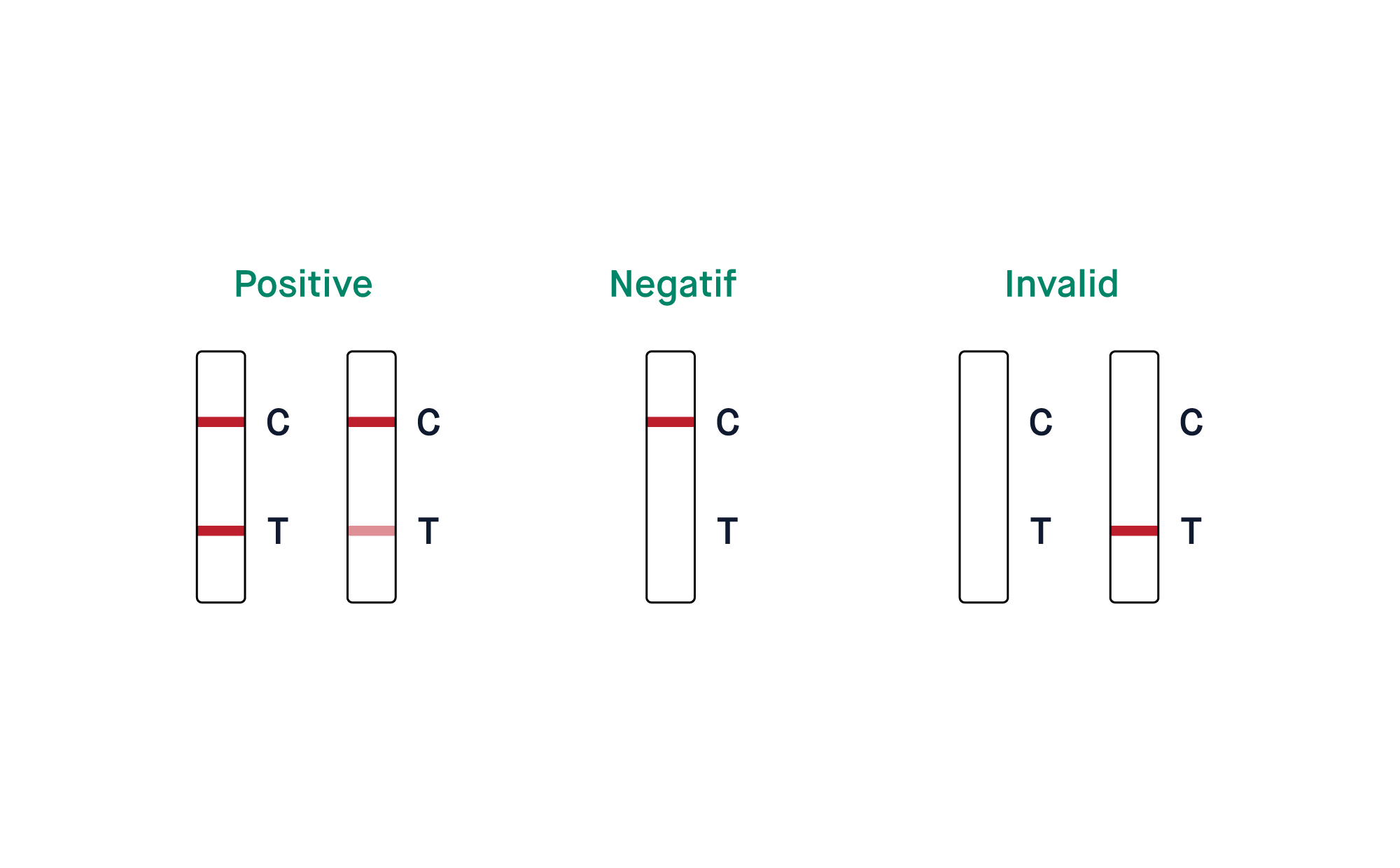
Importantly, interpretation rules, cut-off values, specimen requirements and reading times can differ between products. Users should therefore always follow the Instructions for Use of the individual assay rather than applying one general interpretation rule to every rapid test.
Conclusion
World Patient Safety Day 2026 reminds healthcare communities that safe care must extend throughout the entire journey of people living with noncommunicable diseases. Appropriate testing is one part of this process, but equally important are correct test selection, proper performance and careful interpretation.
CEA testing demonstrates why laboratory information must always be understood within its intended clinical context. By combining reliable testing procedures with informed interpretation and appropriate follow-up, healthcare professionals can support the broader goal highlighted by WHO in 2026: “Safe care for life!” To learn more about the assay and other rapid testing solutions, explore the Vitrosens portfolio or contact sales@vitrosens.com.
References
- World Health Organization. World Patient Safety Day 2026 – Safe Care for Noncommunicable Diseases. WHO World Patient Safety Day 2026
- World Health Organization. World Patient Safety Day 2026: Calls to Action and Key Messages. WHO campaign key messages
- MedlinePlus, U.S. National Library of Medicine. CEA Test. MedlinePlus CEA Test
- Zhang et al. Primary squamous cell carcinoma and adenocarcinoma of the colon: A case report. Molecular and Clinical Oncology. 2017;6(4). doi:10.3892/mco.2017.1178.


