

Group A Streptococcus (GAS) or Streptococcus pyogenes is a bacterium associated with several human infections. It commonly affects the throat and skin, and it represents an important cause of bacterial pharyngitis. Although many infections remain uncomplicated, some cases can progress or lead to complications that require appropriate medical attention.
Symptoms of streptococcal pharyngitis can overlap with those caused by other respiratory pathogens. Therefore, healthcare professionals consider clinical findings together with patient history and appropriate laboratory testing when evaluating suspected cases. Strep A testing can provide additional laboratory information within this overall clinical assessment.
What Is Group A Streptococcus?
Group A Streptococcus is a Gram-positive bacterium that can colonize the throat or skin and spread between individuals, particularly through respiratory droplets or direct contact with infected secretions. Schools, households and other environments involving close interpersonal contact may facilitate transmission.
Streptococcus pyogenes can cause different clinical conditions. While streptococcal pharyngitis is among the most familiar, the bacterium can also cause skin infections such as impetigo. In less common situations, invasive Group A Streptococcus infections may occur. Consequently, the clinical significance of GAS extends beyond a routine sore throat.
Recognizing Streptococcal Pharyngitis
People with streptococcal pharyngitis may experience sudden sore throat, pain when swallowing, fever and swollen lymph nodes. Tonsillar redness or exudate may also occur. However, the presence and severity of symptoms can vary between patients.
Importantly, several viral respiratory infections can produce similar symptoms. Cough, runny nose, hoarseness and other respiratory findings may provide additional clinical information, but symptoms alone cannot always establish the underlying cause. For this reason, healthcare professionals may use Strep A testing as part of the evaluation when Group A Streptococcus infection is suspected.
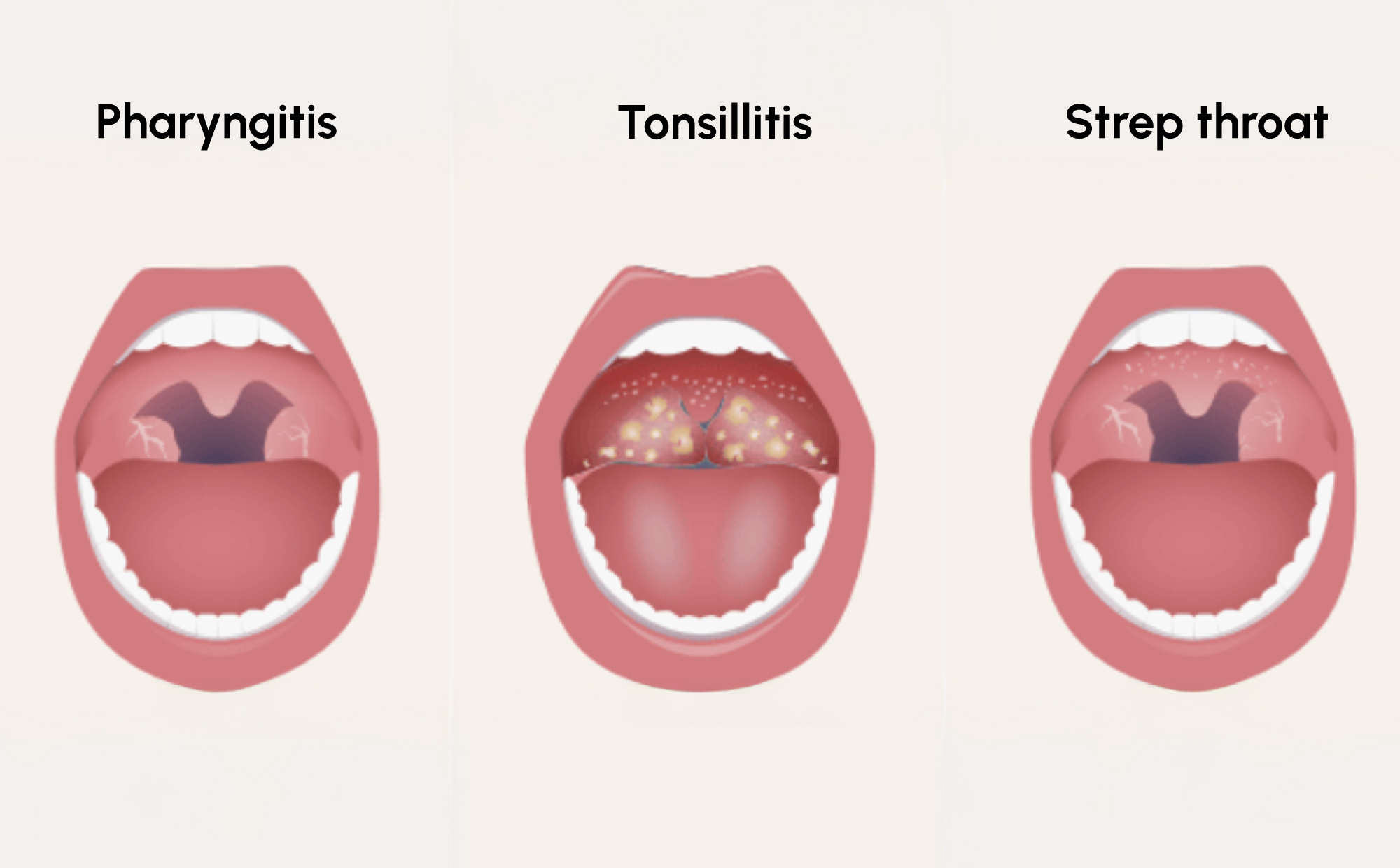
Why Does Strep A Testing Matter?
Distinguishing bacterial pharyngitis from other causes of sore throat can be clinically relevant because different conditions may require different management approaches. Laboratory testing provides information about the presence of the target organism or antigen, depending on the diagnostic method used. However, healthcare professionals should always interpret laboratory findings within the broader clinical context.
Several laboratory approaches are available for investigating Group A Streptococcus. The appropriate method depends on factors such as the clinical setting, specimen requirements and applicable diagnostic guidelines. Therefore, healthcare professionals should follow relevant testing algorithms and consider additional evaluation when clinically indicated.
Why Should Group A Streptococcus Not Be Overlooked?
Most uncomplicated streptococcal throat infections can be managed with appropriate medical care. Nevertheless, Group A Streptococcus has clinical importance because some infections may be associated with local, invasive or post-infectious complications. These can include conditions such as peritonsillar complications, rheumatic fever or post-streptococcal glomerulonephritis.
The presence of these potential complications does not mean that every sore throat represents a serious bacterial infection. Instead, it highlights why appropriate clinical assessment matters. In addition, recognizing the possible bacterial cause can help healthcare professionals determine the next steps according to established clinical guidance.
Fluorescence Immunoassay in Strep A Testing
Immunoassay-based methods detect specific biological targets through antigen-antibody interactions. Fluorescence immunoassay, commonly abbreviated as FIA, combines this immunological principle with fluorescence-based signal detection and an analyzer that interprets the assay signal.
Analyzer-based FIA systems can form part of professional diagnostic workflows where the assay’s intended use supports the relevant application. However, test characteristics, specimen requirements, procedures and interpretation criteria differ between assays. Therefore, laboratories and healthcare professionals should follow the Instructions for Use supplied with the specific product.
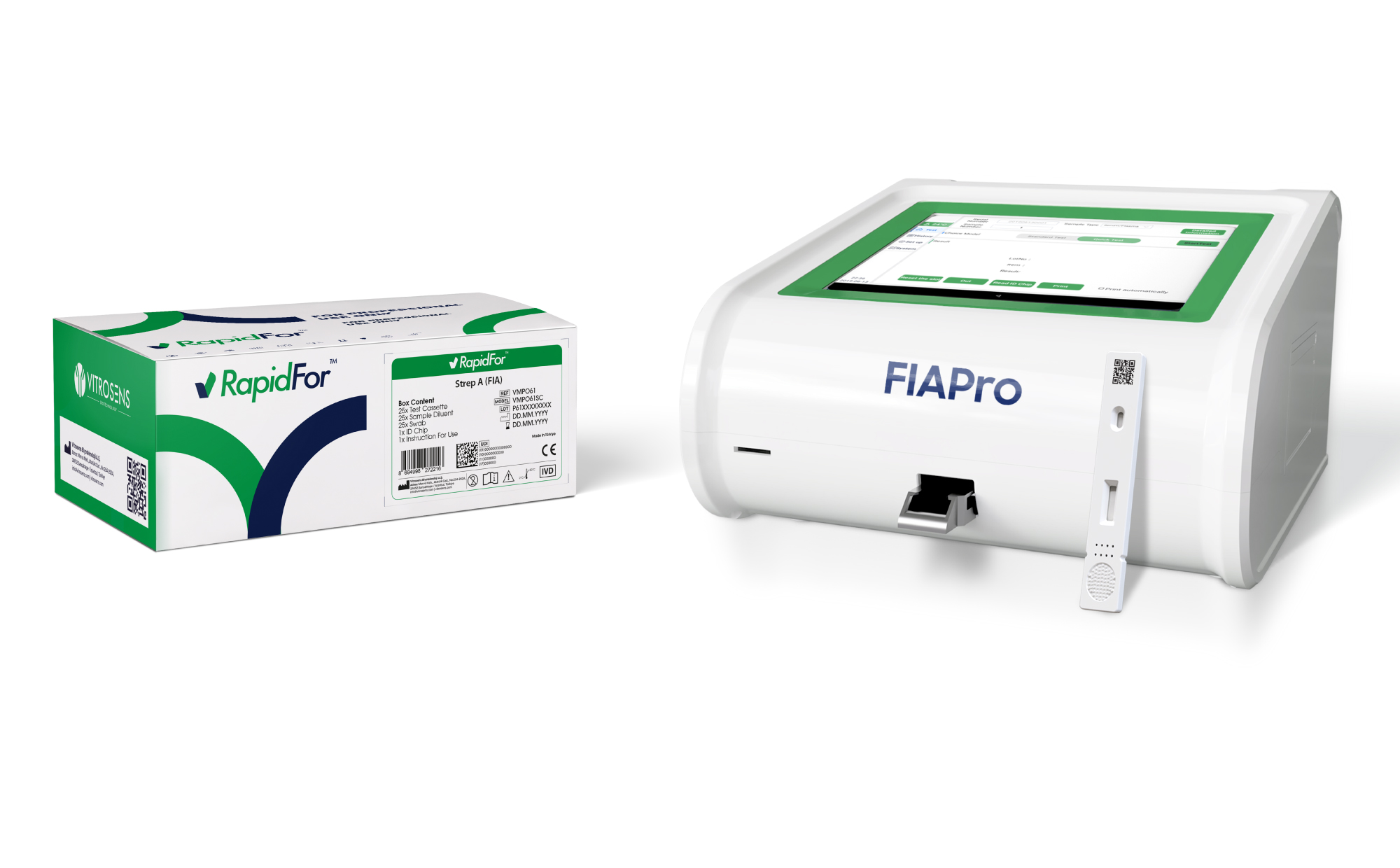
RapidFor™ Strep A (FIA) is part of the Vitrosens fluorescence immunoassay portfolio and is developed for the detection of Group A Streptococcus antigen according to its stated intended use. The assay works with the compatible Vitrosens Immunofluorescence Analyzer, providing analyzer-based detection for professional healthcare settings.
Healthcare professionals should perform the assay according to the applicable Instructions for Use, including the specified specimen requirements, testing procedure and interpretation criteria. Moreover, the test result should not serve as the sole basis for a clinical decision. Instead, professionals should evaluate results alongside symptoms, medical history and other relevant clinical or laboratory findings.
Conclusion
Group A Streptococcus remains an important cause of bacterial pharyngitis and can also cause other infections. Because symptoms can overlap with viral respiratory illnesses, clinical presentation alone may not always determine the underlying cause. Therefore, appropriate laboratory assessment can support healthcare professionals during the evaluation of suspected cases.
The RapidFor™ Strep A (FIA) provides an analyzer-based fluorescence immunoassay option within the Vitrosens professional diagnostic portfolio. To learn more about the assay and other FIA solutions; explore the Vitrosens FIA catalog or contact sales@vitrosens.com.
References
- Centers for Disease Control and Prevention (CDC). Clinical Guidance for Group A Streptococcal Pharyngitis.
- World Health Organization (WHO). Group A Streptococcus.
- Shulman ST, Bisno AL, Clegg HW, et al. Clinical Practice Guideline for the Diagnosis and Management of Group A Streptococcal Pharyngitis. Clinical Infectious Diseases. 2012;55(10).


