

For people planning pregnancy, understanding when ovulation is likely to occur can help identify the most fertile days of the menstrual cycle. Although cycle-tracking apps and calendar calculations can provide estimates, menstrual cycles naturally vary from person to person and even from one cycle to another.
One biological marker commonly used for ovulation prediction is luteinizing hormone (LH). Monitoring changes in urinary LH can provide additional information about the timing of the fertile window.
What Is Luteinizing Hormone (LH)?
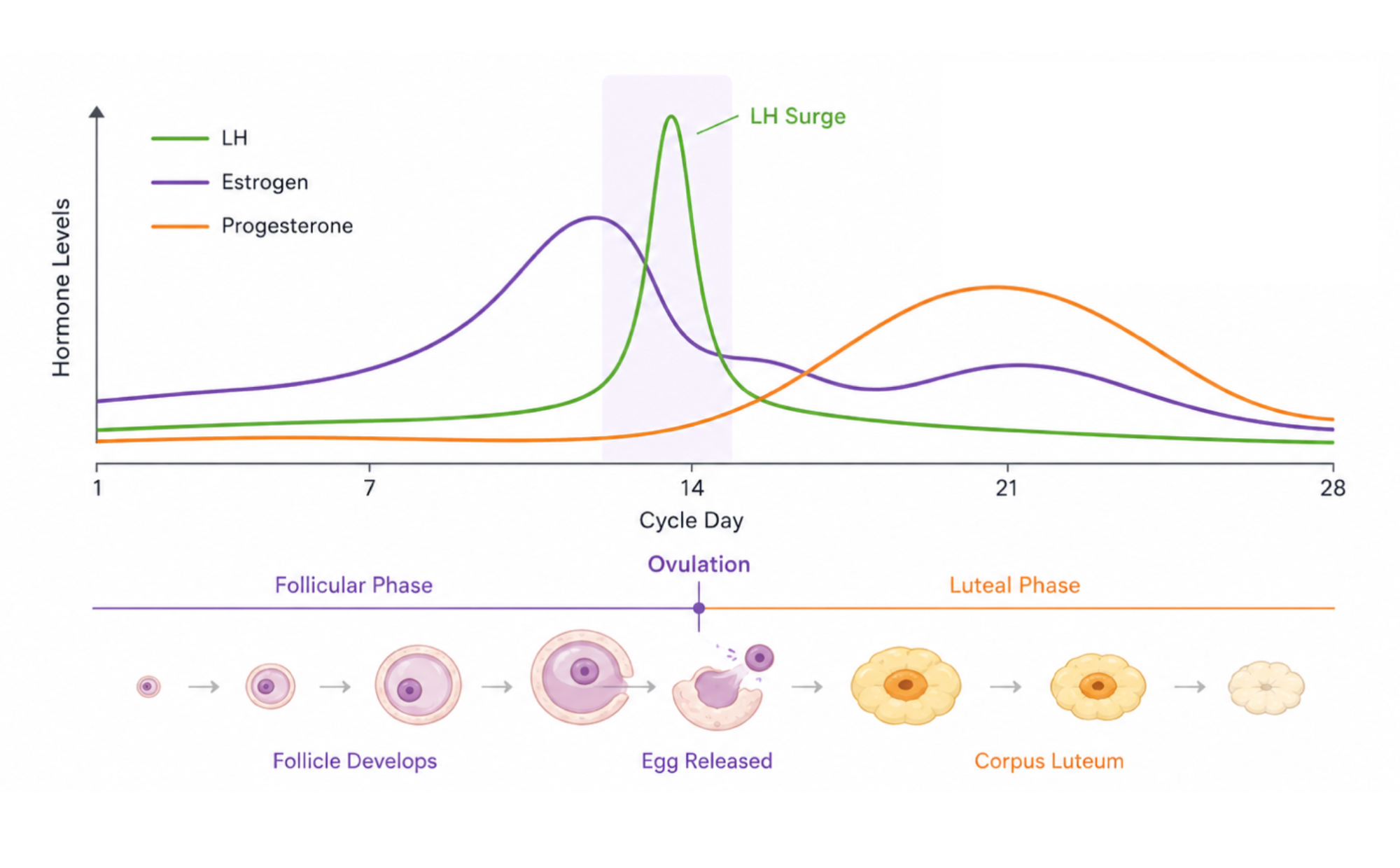
Luteinizing hormone is produced by the pituitary gland and plays an important role in the reproductive system. During the menstrual cycle, LH concentrations remain relatively low before increasing rapidly around the middle of the cycle. This increase is known as the LH surge.
The LH surge typically occurs shortly before ovulation and triggers the release of a mature egg from the ovary. For this reason, urinary LH testing is widely used to help predict the period when ovulation is approaching.
Why Can Knowing the Timing of Ovulation Be Helpful?
The fertile window includes the days surrounding ovulation when the probability of conception is generally highest. Identifying an LH surge can therefore help individuals planning pregnancy better understand their cycle and determine when ovulation may be approaching.
However, an LH test predicts an approaching ovulation based on the LH surge; it does not confirm that ovulation has actually occurred. Hormonal patterns may also vary, particularly in individuals with irregular menstrual cycles or certain reproductive and endocrine conditions.
Product Spotlight: Ovulation LH test Kit
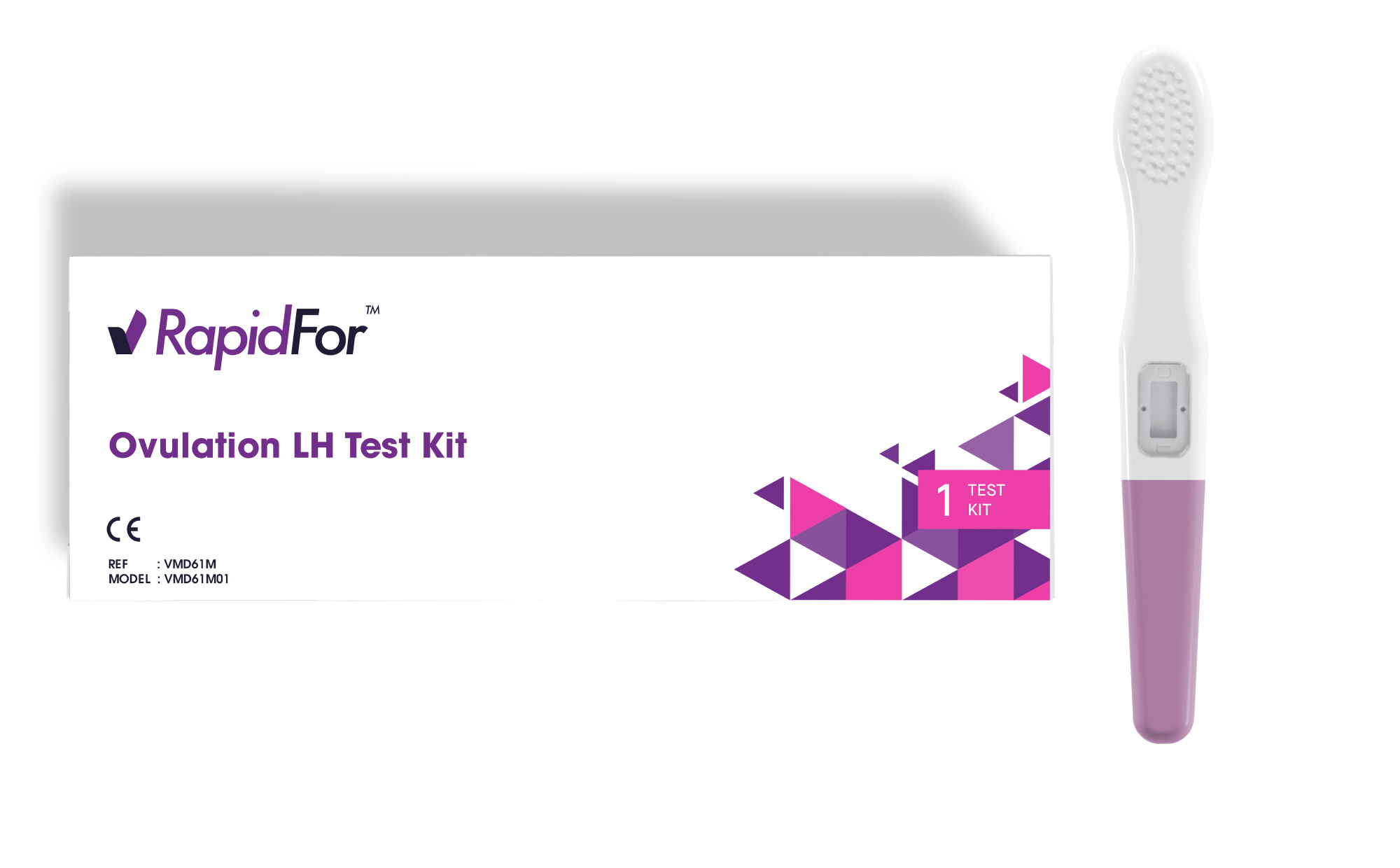
The RapidFor™ Ovulation LH Test Kit in midstream format is intended for the qualitative detection of luteinizing hormone (LH) in urine, supporting the identification of the LH surge associated with approaching ovulation in 15 minutes.
Vitrosens offers LH testing solutions in cassette, strip and midstream formats to support different professional testing workflows. The midstream format allows urine testing without laboratory instrumentation and provides a visual result according to the procedure and interpretation criteria described in the Instructions for Use (IFU).
LH Testing as Part of Fertility Awareness
LH testing can be one component of understanding the menstrual cycle when planning pregnancy. Menstrual history, cycle regularity and other fertility-related factors may also be relevant. An ovulation test should therefore not be considered a fertility diagnosis or an assessment of overall reproductive health.
Individuals experiencing persistent difficulties conceiving, irregular cycles or other reproductive health concerns should seek appropriate medical evaluation.
Understanding individual cycle patterns may also help provide useful context when interpreting LH results. Tracking changes over several cycles can support greater awareness of how ovulation timing may vary from month to month.
Conclusion
Understanding hormonal changes throughout the menstrual cycle can help individuals become more familiar with their fertile window. Because the LH surge occurs shortly before ovulation, urinary LH testing offers a practical method for identifying when ovulation may be approaching.
Explore the RapidFor™ Ovulation LH Test Kit and other Vitrosens hormone testing solutions to learn more about our reproductive health portfolio contact sales@vitrosens.com.
References
American College of Obstetricians and Gynecologists (ACOG). Fertility Awareness-Based Methods of Family Planning.
American Society for Reproductive Medicine (ASRM). Optimizing Natural Fertility.
National Health Service (NHS). Trying to Get Pregnant.


