

Rotavirus and adenovirus are among the leading causes of acute gastroenteritis, often presenting with similar symptoms. During the summer travel season, increased mobility, shared accommodations and close-contact environments may increase exposure to gastrointestinal pathogens. RapidFor™ Rota + Adeno Test Kit enables fast detection from a single stool sample, supporting timely clinical decision-making.
Acute gastroenteritis remains one of the most common causes of illness worldwide, particularly among young children. During peak travel periods, increased mobility raises exposure to gastrointestinal pathogens. Early and accurate identification of the causative agent is essential for appropriate patient management, infection control, and avoidance of unnecessary treatments.
Among viral agents, rotavirus and enteric adenoviruses are two of the most important causes of acute gastroenteritis. These infections often present with similar clinical symptoms, making differentiation based on clinical findings alone challenging, especially in high-mobility populations where exposure to multiple pathogens is more likely.
Clinical Challenge in Viral Gastroenteritis
Patients with viral gastroenteritis typically present with symptoms such as diarrhea, vomiting, abdominal discomfort, and dehydration. These symptoms overlap significantly across different viral and even bacterial infections, making etiological differentiation difficult without laboratory support.
This challenge becomes more pronounced in high-exposure settings, where multiple pathogens may be involved and diagnostic uncertainty may lead to:
• Unnecessary antibiotic use
• Delayed infection control measures
• Increased risk of dehydration, especially in pediatric patients
Because of this, timely diagnostic confirmation is essential, particularly in high-risk populations such as infants, elderly individuals, and immunocompromised patients.

Rotavirus and Adenovirus: Key Pathogens
Rotavirus is recognized as one of the leading causes of severe diarrhea in infants and young children. It is highly transmissible and can lead to dehydration requiring hospitalization, especially in vulnerable populations.
Enteric adenoviruses, particularly types 40 and 41, are also important causes of gastroenteritis. Compared to rotavirus, adenovirus infections may present with milder but longer-lasting symptoms.
Both pathogens circulate globally and can occur throughout the year. However, increased human mobility and environmental exposure during summer months may contribute to higher transmission rates in certain settings. Because their clinical presentations overlap, laboratory testing is required for accurate differentiation.
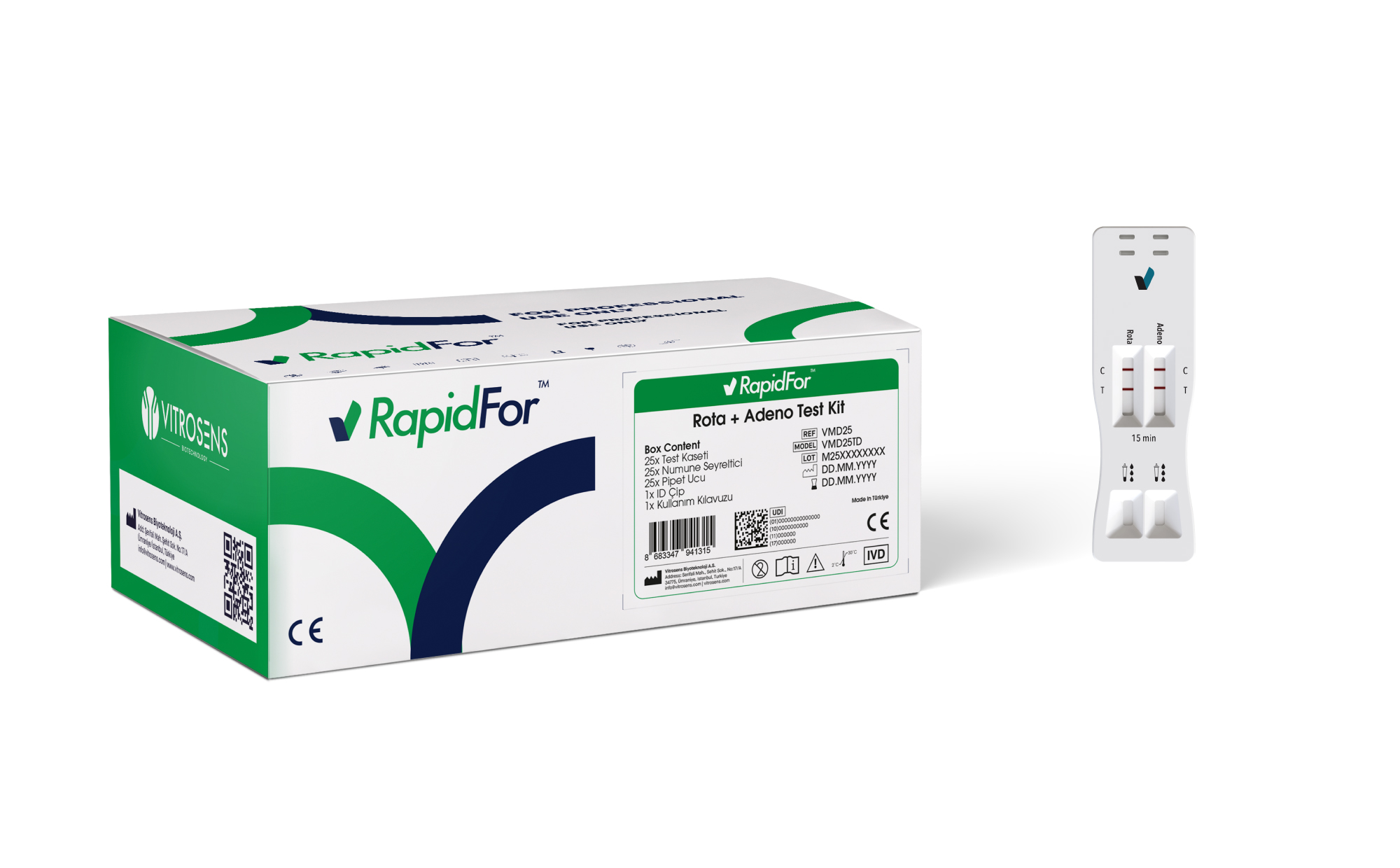
Rapid Detection of Rotavirus and Adenovirus
Within the Vitrosens portfolio, rapid testing solutions are available for the simultaneous detection of rotavirus and adenovirus, supporting differential diagnosis of viral gastroenteritis from a single sample. The ability to identify both pathogens in one test simplifies workflow and improves diagnostic efficiency in routine clinical practice.
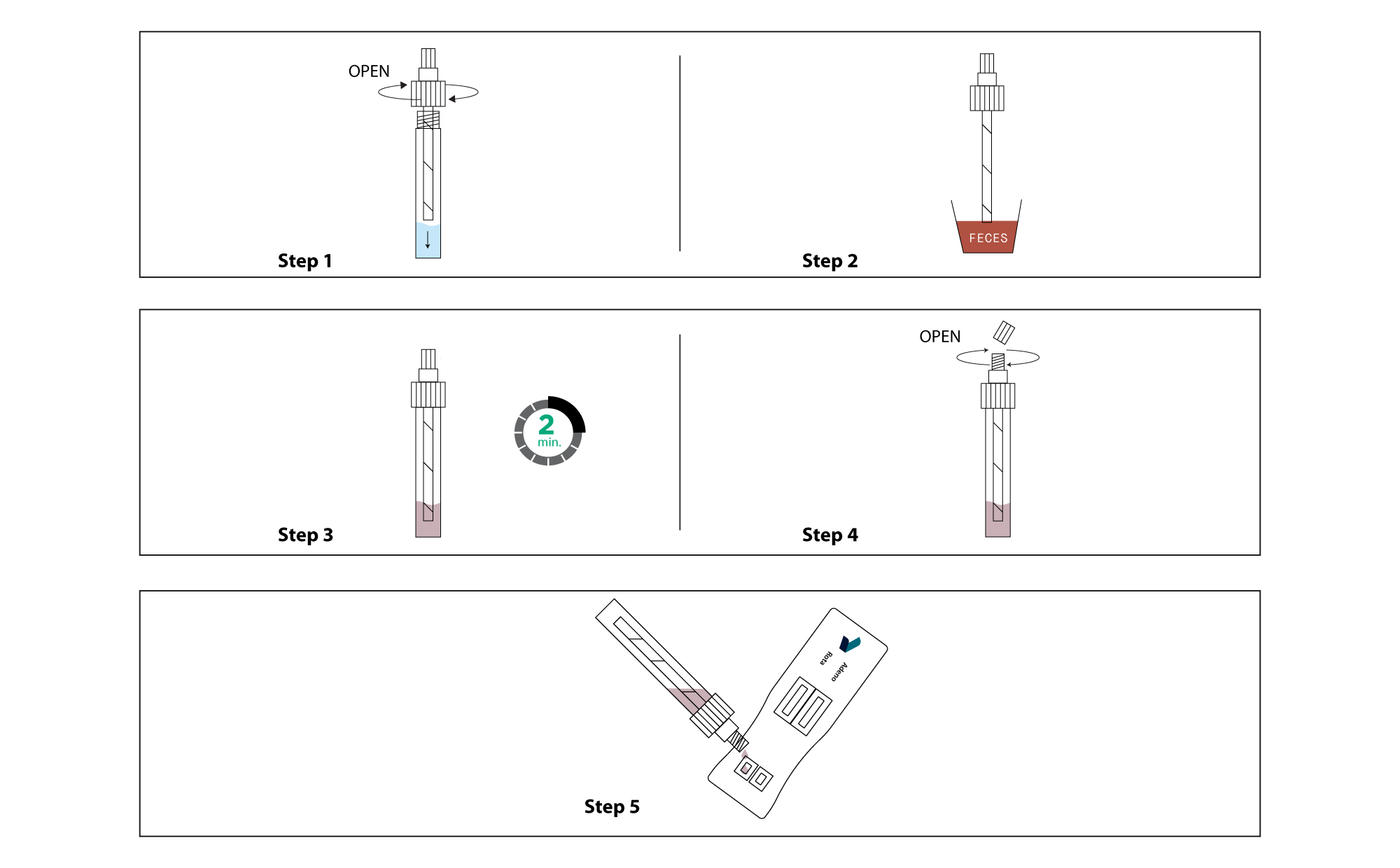
These tests are designed to be easy to use, requiring minimal preparation steps and no specialized instrumentation. Compatibility with stool specimens ensures direct testing of the most relevant sample type for gastroenteritis, supporting reliable detection of viral antigens during the course of infection.
With results available in approximately 15 minutes, these assays support rapid clinical decision-making, enabling timely patient triage, appropriate treatment strategies, and improved infection control measures.
Conclusion
Rotavirus and adenovirus remain key contributors to acute gastroenteritis worldwide. In periods of increased exposure, rapid and accurate diagnosis becomes even more critical.
Explore how RapidFor™ Rota + Adeno Test Kit can support rapid antigen testing in professional clinical workflows. Contact sales@vitrosens.com to learn more about Rapid Testing products of Vitrosens Biotechnology.
References
- World Health Organization. Diarrhoeal disease. 2024.
- Centers for Disease Control and Prevention (CDC). Rotavirus. 2024.
- Centers for Disease Control and Prevention (CDC). Adenovirus. 2025.
- UNICEF. Diarrhoeal disease statistics.
- Clark HF et al. Rotavirus infections. The Lancet.
- Uhnoo I et al. Importance of enteric adenoviruses. Journal of Infectious Diseases.


