

A fever after travel may look like a routine viral illness at first, but the places a patient has visited can change the diagnostic direction completely. Travel history helps clinicians connect symptoms with possible exposure risks, especially for infections such as dengue, chikungunya, Zika and other tropical or emerging pathogens.
Why Do Doctors Ask About Travel History?
When patients present with fever, headache, muscle pain, rash or fatigue, the symptoms may overlap across many infectious diseases. In these cases, travel history can provide important clues. A recent visit to an endemic region, mosquito exposure, local outbreak activity or contact with specific environments may help healthcare professionals decide which infections should be considered.
Travel history does not diagnose the disease on its own, but it helps narrow the clinical suspicion and supports more targeted laboratory testing.
When Symptoms Overlap, Testing Matters
CDC’s June 4, 2026 update notes that dengue is common in parts of the Americas, Africa, the Middle East, Asia and the Pacific Islands, with frequent outbreaks in popular travel regions such as the Caribbean, Central and South America, Southeast Asia and the Pacific Islands.
Risk is generally higher in warm, humid, low-altitude areas. Dengue-carrying mosquitoes are mostly found below approximately 2,000 meters, while the risk is much lower at higher elevations.

Early recognition is important because dengue can range from mild febrile illness to more severe clinical forms. Laboratory testing should be interpreted together with symptom onset, travel history, clinical findings and other diagnostic results.
Vitrosens Dengue Diagnostic Portfolio:
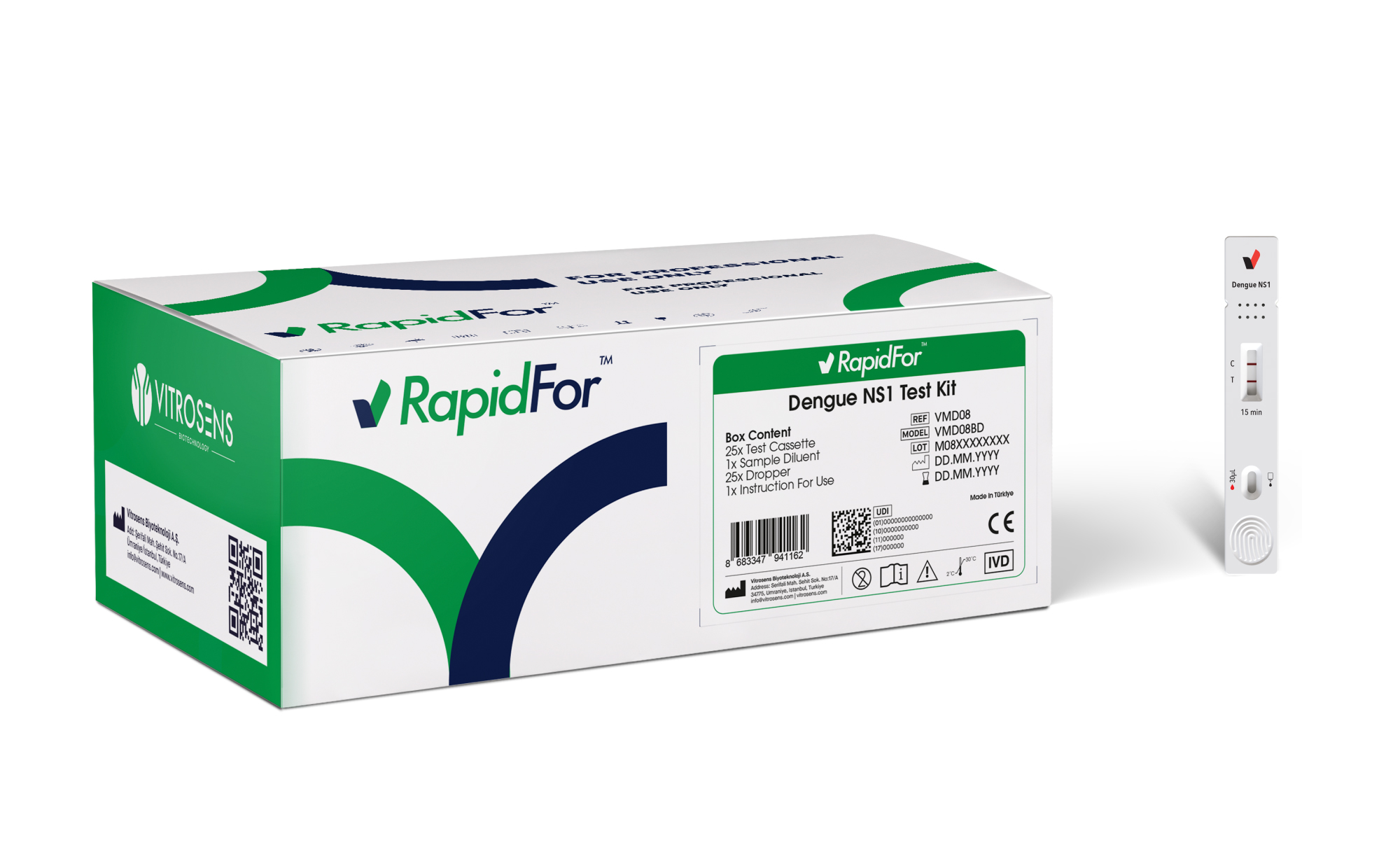
Vitrosens offers a comprehensive dengue diagnostic portfolio across rapid, FIA and molecular testing formats to support different clinical and laboratory workflow needs. The RapidFor™ dengue range includes lateral flow solutions such as Dengue NS1 Test Kit for qualitative NS1 antigen detection and Dengue IgG/IgM + NS1 Test Kit for the simultaneous detection and differentiation of Dengue IgG, IgM and NS1 antigen in serum, plasma or whole blood samples.
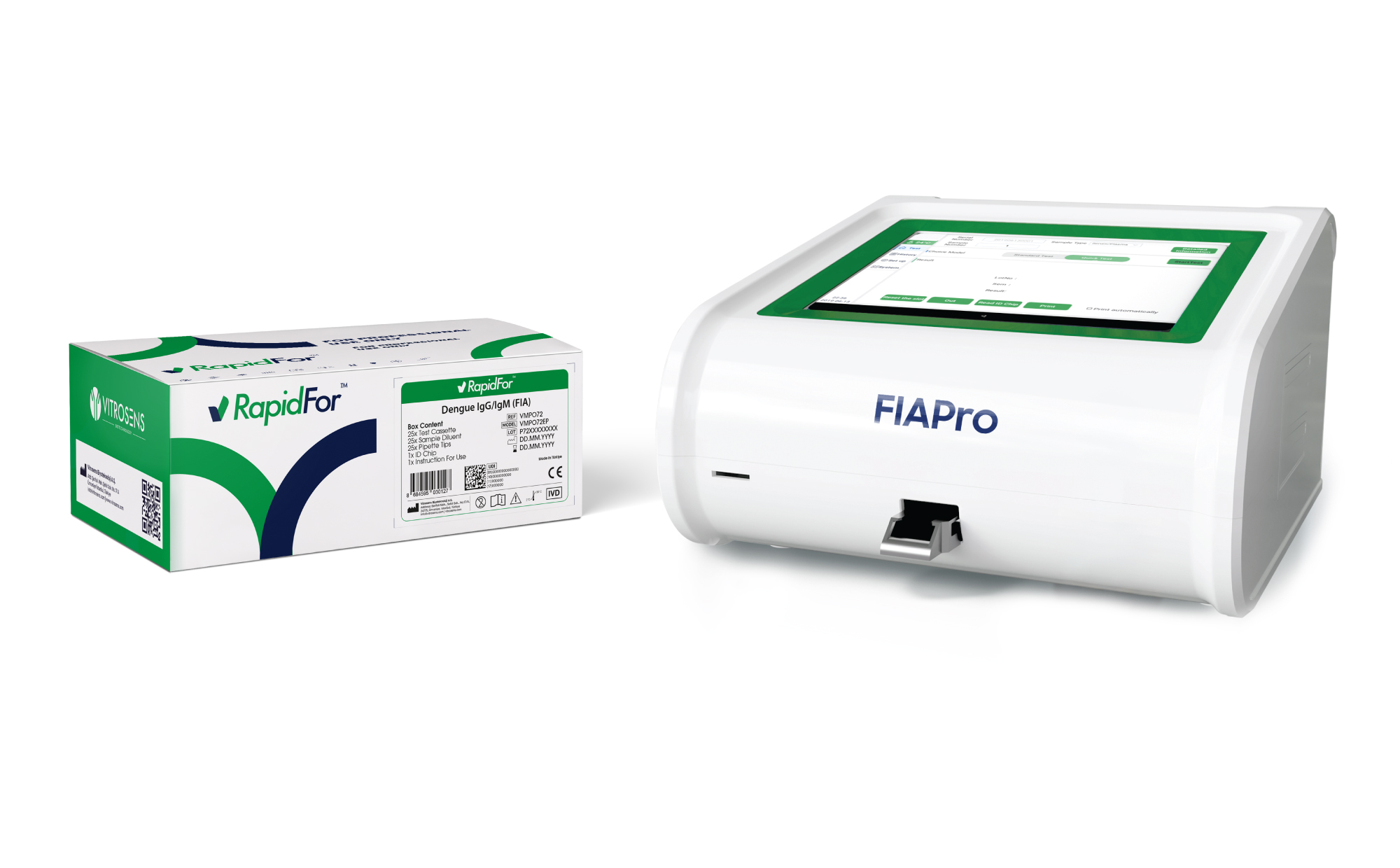
For analyzer-based testing, the FIA portfolio includes Dengue NS1 (FIA) and Dengue IgG/IgM (FIA), designed for use with the Vitrosens VMFIA1001 Immunofluorescence Analyzer. These tests support quantitative evaluation in human serum, plasma and whole blood samples, providing objective analyzer-read results in professional testing workflows.
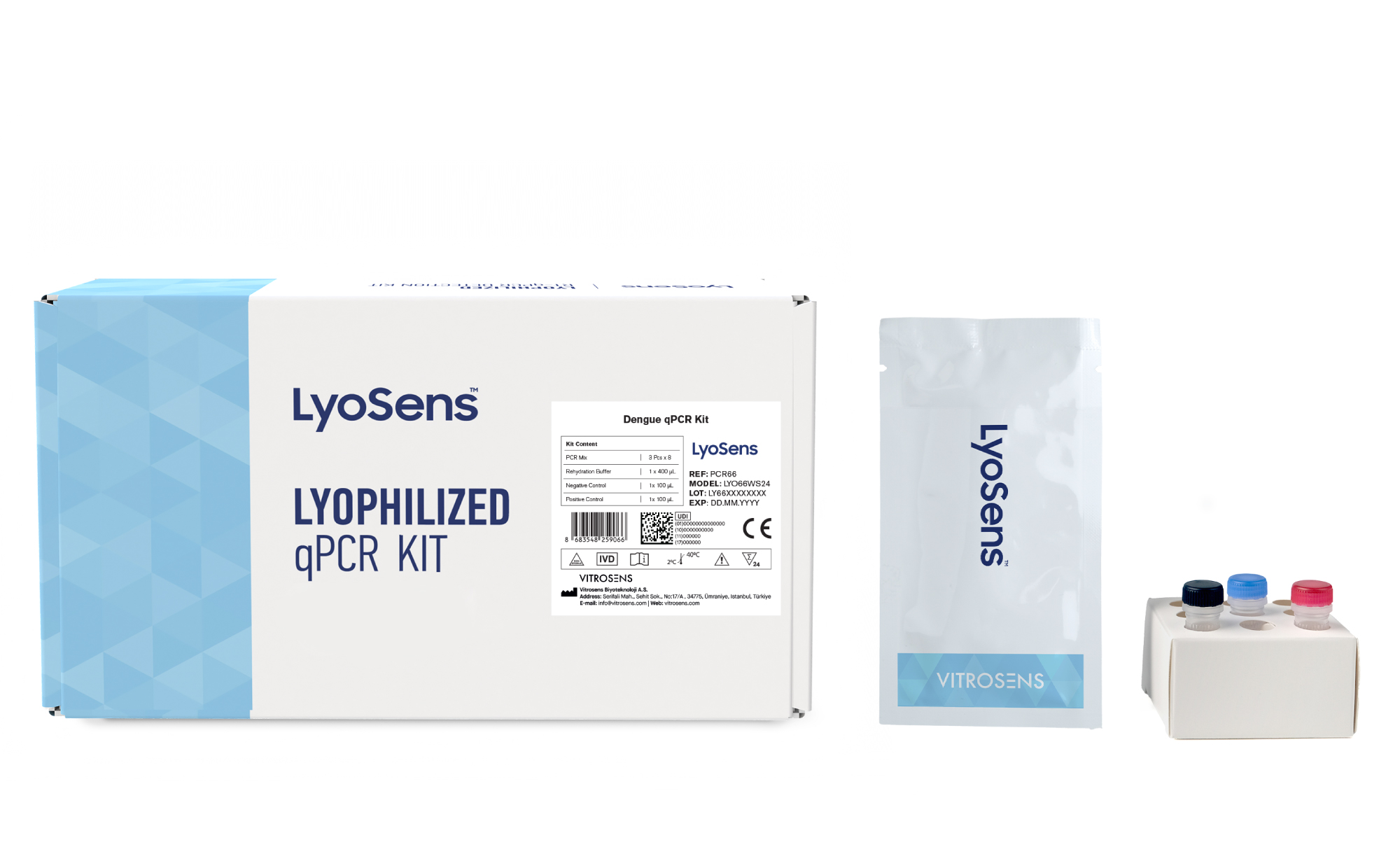
On the molecular side, ChainFor™ Dengue qPCR Kit supports conventional liquid-format qPCR workflows, whereas LyoSens™ Dengue qPCR Kit offers a lyophilized format designed for easier handling, storage and workflow convenience in molecular laboratories.
As with all molecular diagnostic tests, results should be evaluated by qualified healthcare professionals together with patient history, clinical findings and epidemiological information.
From Travel Clues to Diagnostic Decisions
Travel history is a simple question, but it can carry significant diagnostic value. It helps connect clinical symptoms with geographic exposure, vector risk and regional disease patterns. When combined with appropriate laboratory testing, it can support more informed clinical decisions and better infectious disease monitoring.
Conclusion
Doctors ask about travel history because infections do not always follow borders. By April 2026, more than 1 million dengue cases had been reported globally, underlining why travel history and timely diagnostic testing remain important in the evaluation of febrile patients according to WHO Global Dengue Surveillance data.
Explore how Vitrosens Dengue solutons can support respiratory infection surveillance and clinical laboratory workflows. Contact sales@vitrosens.com to learn more or discover the product porfolio.


