

Stress is not only an emotional experience; it can affect sleep, appetite, concentration, digestion and overall physical well-being. As a key hormone involved in the body’s stress response, cortisol testing may support clinical assessment when interpreted together with patient history, symptoms and other laboratory findings.
Cortisol Testing in Clinical Practice: From Stress Response to Adrenal Function
Stress is a natural response to difficult or demanding situations. According to the World Health Organization, stress can affect both the mind and body, influencing sleep, appetite, concentration, digestion and overall well-being. The CDC also emphasizes that long-term stress may contribute to physical and emotional health problems if it is not managed properly.
Cortisol is often known as the “stress hormone,” but its role is broader than stress alone. It is a glucocorticoid hormone produced by the adrenal cortex and contributes to important physiological processes such as blood pressure regulation, metabolism, immune response and inflammation control.
Why Cortisol Matters
Cortisol levels change throughout the day and are influenced by the body’s internal rhythm, stress response, illness and endocrine function. Because of this, cortisol measurement can provide useful information in the clinical evaluation of adrenal function.
Abnormal cortisol levels may be associated with conditions such as adrenal insufficiency, Cushing’s syndrome or other disorders affecting the hypothalamic-pituitary-adrenal axis. However, cortisol results should not be interpreted alone. Clinical symptoms, sampling time, patient history and additional laboratory findings are important for accurate assessment.
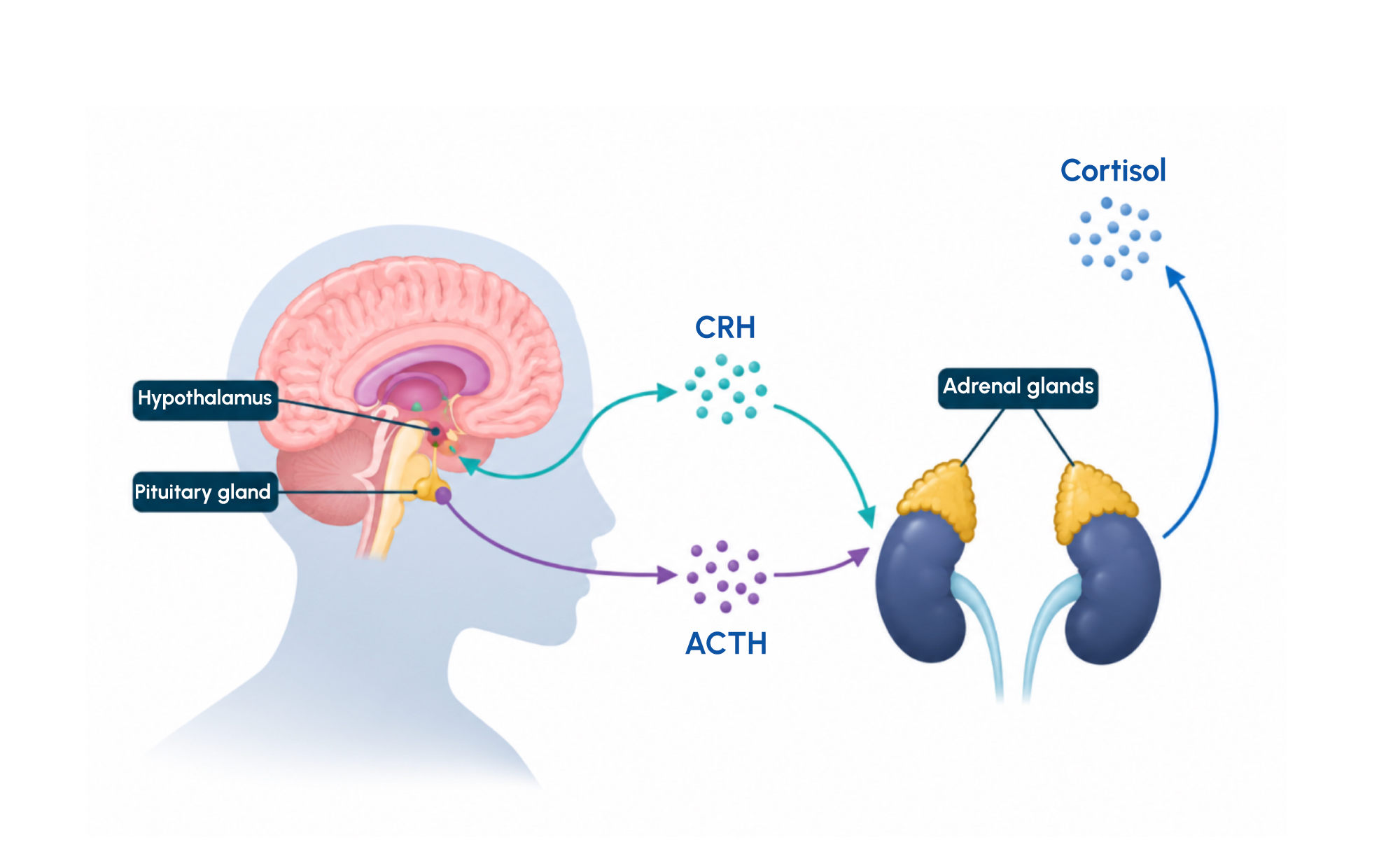
Healthcare professionals may consider cortisol testing when patients present with signs that could be related to adrenal or endocrine imbalance. These may include unexplained fatigue, weight changes, low or high blood pressure, muscle weakness, changes in glucose metabolism or symptoms suggesting abnormal cortisol production.
Since cortisol follows a daily rhythm, the timing of sample collection is especially important. Morning and evening values may differ significantly, and this should be considered during clinical interpretation.
Supporting Clinical Assessment with FIA Testing
RapidFor Cortisol (FIA) is designed for the quantitative detection of cortisol concentration in human serum samples and is used with an immunofluorescence analyzer system. This approach can support practical and standardized measurement of cortisol levels in clinical laboratory workflows.
By providing quantitative results, cortisol testing may help healthcare professionals evaluate adrenal function together with patient symptoms, clinical history and other diagnostic findings. As with all diagnostic tests, final interpretation should be made by healthcare professionals within the full clinical context.
- Quantitative cortisol measurement in human serum samples
- Useful as part of the evaluation of cortisol-related endocrine conditions
- Immunofluorescence-based testing for objective analyzer-read results
- Compatible with the Vitrosens VMFIA1001 Immunofluorescence Analyzer
- Short reaction time, supporting practical laboratory workflow
- Helps healthcare professionals interpret cortisol levels together with symptoms, sampling time and other laboratory findings
- Suitable for professional in vitro diagnostic use
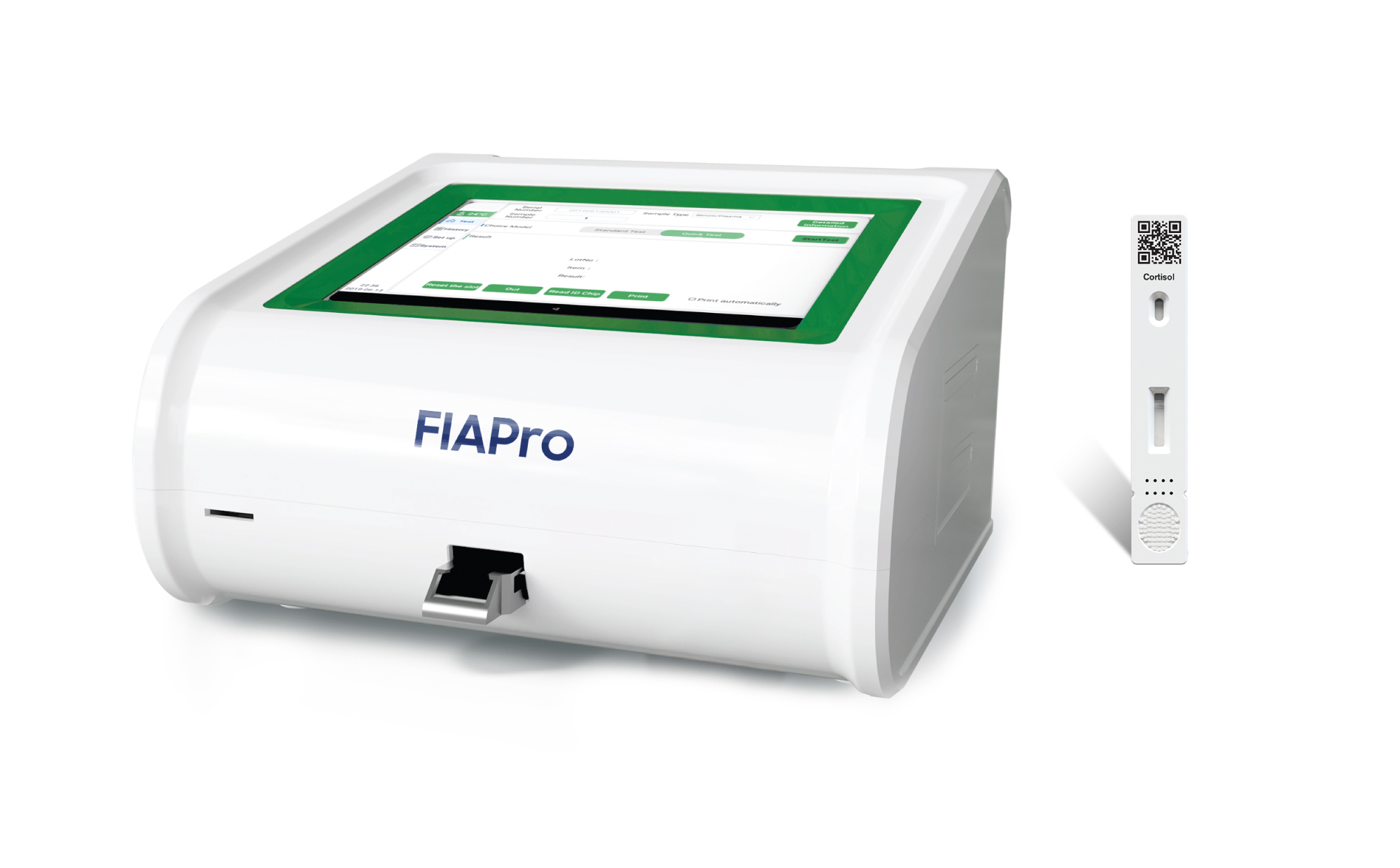
RapidFor Cortisol (FIA) provides a practical immunofluorescence-based approach for quantitative cortisol assessment in human serum samples. When used as part of a broader clinical evaluation, it can support healthcare professionals in assessing adrenal function and cortisol-related clinical conditions.
Conclusion
Cortisol is more than a marker of stress. It reflects an important part of the body’s endocrine and metabolic balance. In clinical practice, cortisol testing can support the evaluation of adrenal function and related conditions when used as part of a broader diagnostic assessment.
Explore how RapidFor Cortisol (FIA) can support quantitative cortisol assessment in clinical laboratory workflows. Contact sales@vitrosens.com or visit vitrosens.com to learn more.
References
- World Health Organization. “Stress.” Questions and Answers.
- Centers for Disease Control and Prevention. “Coping with Stress.” Mental Health.
- MedlinePlus. “Cortisol Test.” U.S. National Library of Medicine.
- MedlinePlus Medical Encyclopedia. “Cortisol Blood Test.” U.S. National Library of Medicine.
- Nieman, L. K.; Biller, B. M. K.; Findling, J. W.; Newell-Price, J.; Savage, M. O.; Stewart, P. M.; Montori, V. M. (2008). “The Diagnosis of Cushing’s Syndrome: An Endocrine Society Clinical Practice Guideline.” Journal of Clinical Endocrinology & Metabolism. 93(5): 1526-1540. doi:10.1210/jc.2008-0125..


