

Bordetella genotyping qPCR supports the molecular detection and differentiation of closely related Bordetella species associated with respiratory infections. Bordetella pertussis is the primary bacterial cause of pertussis, while B. parapertussis and B. holmesii may also be detected in patients with similar respiratory presentations. Because symptoms can overlap, molecular laboratory testing can provide species-specific information according to the assay’s intended use.
Bordetella and Respiratory Infections
Bordetella pertussis infects the respiratory tract and can cause pertussis, a highly contagious respiratory disease. Early symptoms may resemble those of other respiratory infections, while the characteristic prolonged or paroxysmal cough may develop as the illness progresses.
Nevertheless, B. pertussis is not the only Bordetella species relevant to respiratory testing. B. parapertussis can cause a pertussis-like respiratory illness, while B. holmesii has also been identified in respiratory specimens. Consequently, species differentiation can provide more specific laboratory information than detection of a broad bacterial target alone.
Why Is Bordetella Species Differentiation Important?
The clinical manifestations associated with different Bordetella species may overlap. Therefore, symptoms such as cough cannot independently distinguish B. pertussis, B. parapertussis and B. holmesii. Molecular differentiation can help laboratories identify the detected target according to the design and intended use of the assay.
Accurate species-level information can also support epidemiological investigation and surveillance. However, molecular results should always be evaluated alongside specimen quality, timing of collection, clinical findings and other relevant laboratory information.
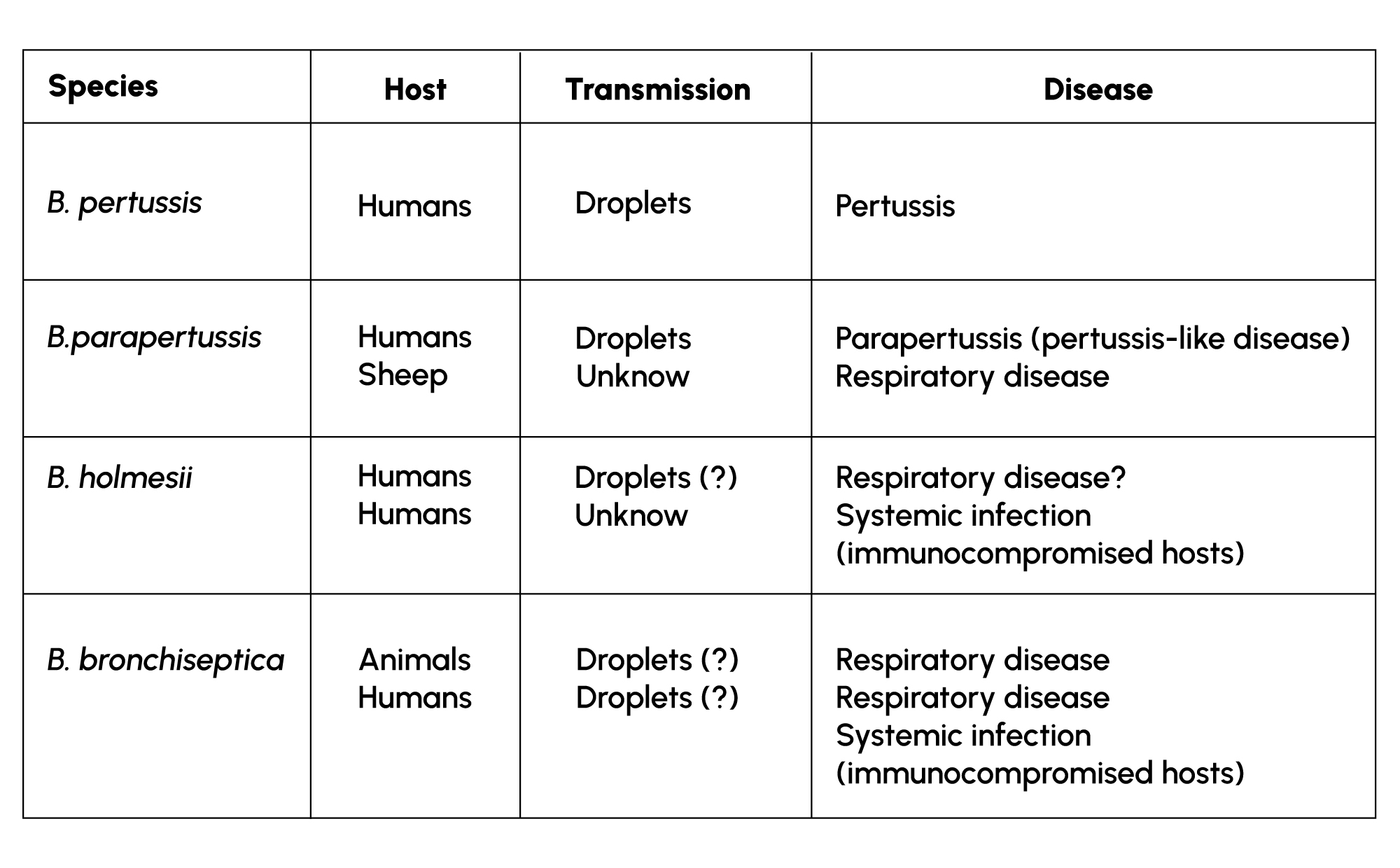
For Bordetella testing, assay design is particularly important because genetically related species may share certain sequences. Therefore, appropriate target selection and interpretation criteria are necessary when differentiating B. pertussis, B. parapertussis and B. holmesii. Laboratories should follow the assay-specific Instructions for Use for specimen requirements, workflow and result interpretation.
Two PCR Formats for Different Laboratory Workflows
Vitrosens offers the Bordetella pertussis/parapertussis/holmesii Genotyping qPCR Kit in both ChainFor™ and LyoSens™ formats, providing laboratories with alternative reagent configurations for different molecular testing workflows.
ChainFor™ represents the conventional liquid-format real-time PCR solution, while LyoSens™ uses lyophilized, or freeze-dried, PCR reagents. Lyophilization removes moisture from the reagents under controlled conditions, creating a dry format designed to support practical storage, transportation and laboratory handling according to the product specifications.
Product Focus: Bordetella Genotyping qPCR Kit
The Bordetella pertussis/parapertussis/holmesii Genotyping qPCR Kit, available in ChainFor™ and LyoSens™ formats, is a real-time PCR assay designed for the detection and differentiation of Bordetella pertussis, Bordetella parapertussis and Bordetella holmesiiaccording to its defined intended use.
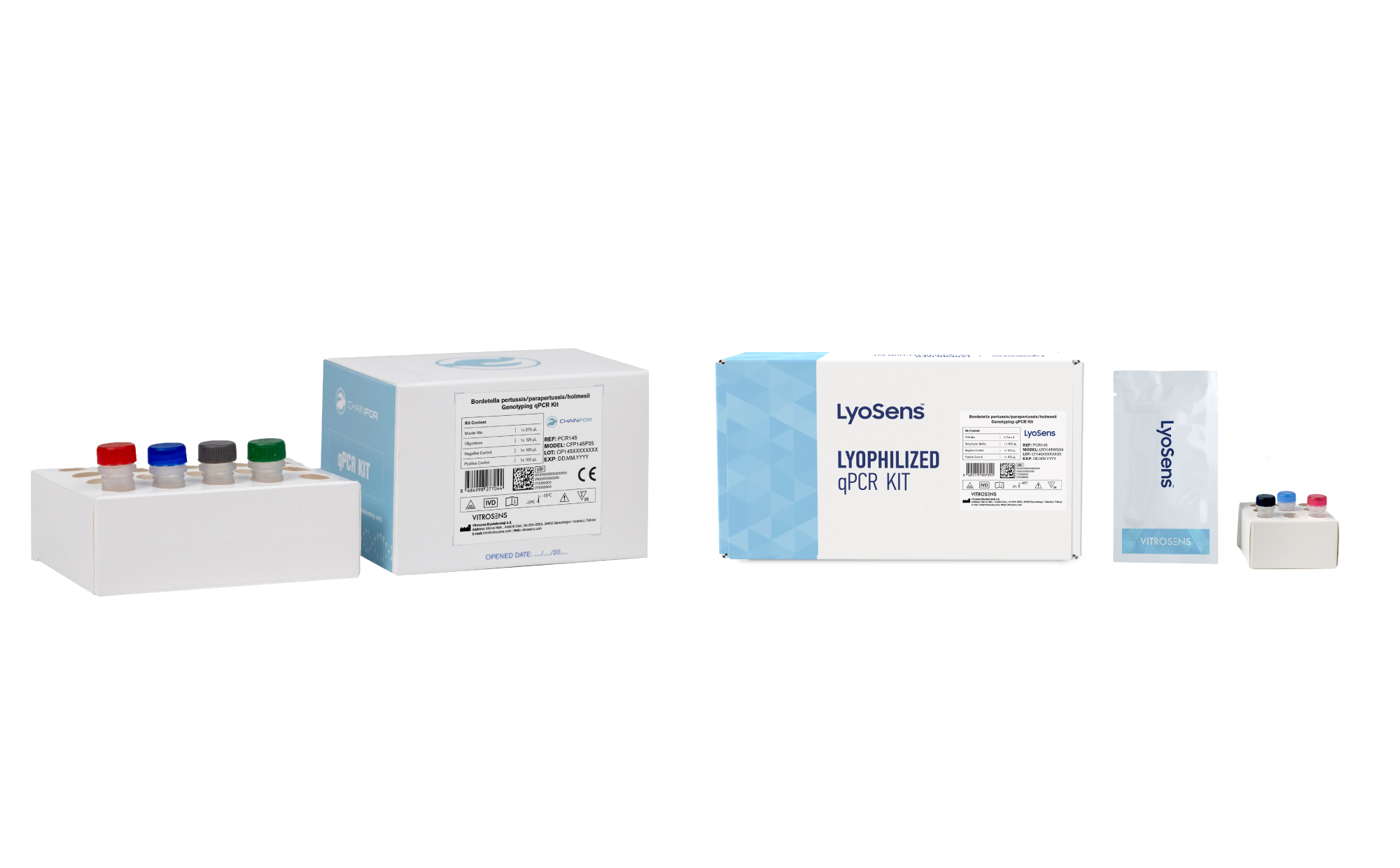
The two formats provide laboratories with conventional liquid and lyophilized reagent options while targeting the same three Bordetella species. Testing should be performed by trained professionals using compatible real-time PCR systems. Specimen requirements, extraction procedures, reagent preparation, amplification conditions and result interpretation should follow the applicable Instructions for Use for the selected format.
Why Lyophilized PCR Reagents?
Lyophilization, or freeze-drying, removes water from PCR reagents under controlled conditions and produces a dry reagent format. Vitrosens offers lyophilized molecular assays under the LyoSens™ portfolio.
This format can simplify reagent preparation and support practical storage and transportation conditions according to the specifications of the individual product. Before testing, users reconstitute the lyophilized reagents as described in the applicable Instructions for Use. Storage conditions, preparation steps and compatible instruments remain product-specific and should always follow the corresponding product documentation.

Compatible Real-Time PCR Systems
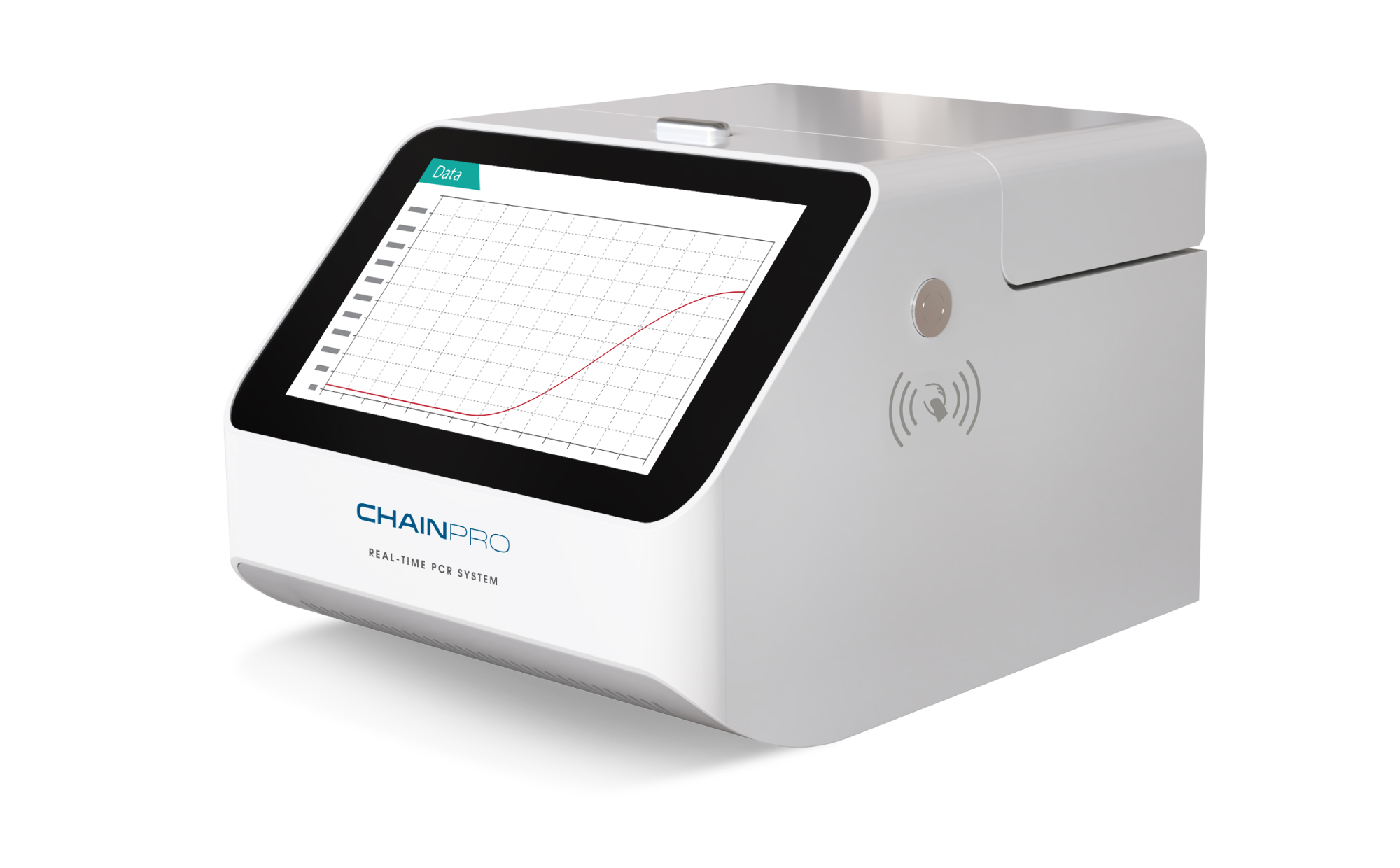
The ChainPro™ Real-Time PCR System is a compact 16-well, four-channel real-time PCR instrument developed for fluorescence-based PCR detection. Its portable configuration and integrated interface make it suitable for laboratories requiring a compact molecular testing platform. Together with Vitrosens molecular assays, ChainPro™ can support an integrated workflow from compatible reagents to real-time PCR analysis.
Conclusion
Available in both ChainFor™ liquid and LyoSens™ lyophilized formats, the Bordetella Genotyping qPCR Kit provides laboratories with flexible reagent options for molecular detection and differentiation of the three defined Bordetella targets. Results should always be interpreted according to the assay’s intended use and together with relevant clinical and laboratory information.To learn more about the Vitrosens’ molecular solutions, contact sales@vitrosens.com.
References
- Centers for Disease Control and Prevention (CDC). Laboratory Testing for Pertussis.
- European Centre for Disease Prevention and Control (ECDC). Pertussis – Annual Epidemiological Reports.
- World Health Organization (WHO). Laboratory Manual for the Diagnosis of Whooping Cough Caused by Bordetella pertussis/Bordetella parapertussis. WHO, 2014. WHO publication


