
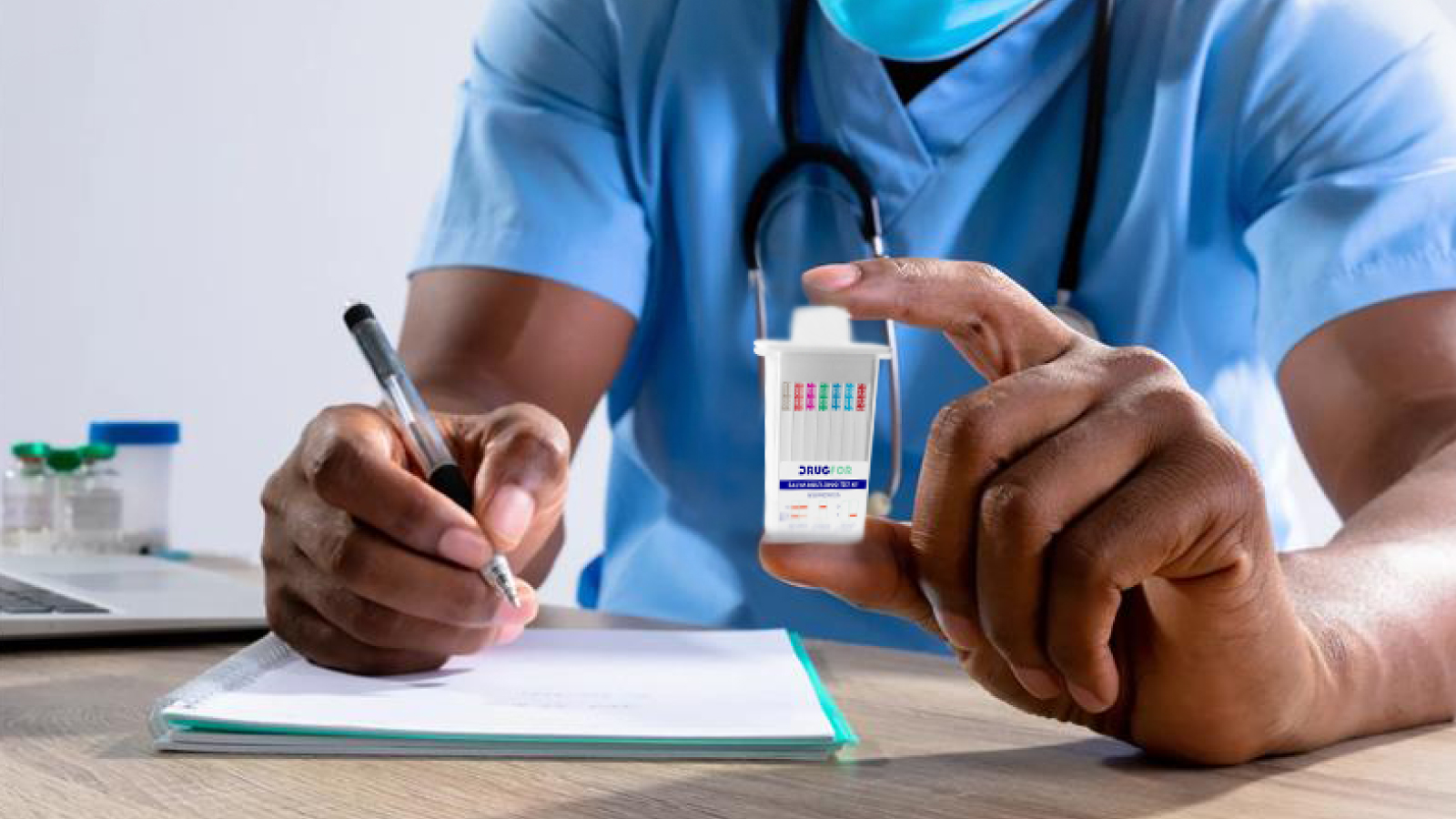
Saliva-based drug screening can support professional testing workflows by offering a practical, non-invasive approach for preliminary substance use assessment. Observed every year on 26 June, the International Day Against Drug Abuse and Illicit Trafficking reminds us that prevention begins with awareness, but awareness becomes stronger when supported by evidence-based tools, early recognition and access to appropriate follow-up.
Why Drug Abuse Awareness Matters
Drug abuse is not only an individual health issue. It can affect families, workplaces, schools, communities and public safety. For this reason, awareness campaigns should focus on prevention, education, early intervention and reducing stigma around people who may need support.
The United Nations established the International Day Against Drug Abuse and Illicit Trafficking to strengthen global action and cooperation against drug abuse. In this context, reliable information and responsible testing practices can help institutions support safer and more informed decision-making.
Why Saliva-Based Drug Screening Is Useful
Drug screening can be performed using different sample types, including urine, blood, hair and saliva. Saliva-based drug testing offers a practical and non-invasive approach, especially in professional settings where rapid sample collection and simplified handling are important.
Because saliva collection is generally easy to observe and does not require the same privacy conditions as urine collection, it can support more efficient on-site screening workflows. This makes saliva-based testing a useful option for preliminary assessment in workplaces, rehabilitation programs, clinical settings and community health initiatives.
The Role of Multi-Drug Testing
Substance use patterns may involve more than one drug class, and symptoms or behavioral signs may not clearly indicate a specific substance. Multi-drug screening can help support broader preliminary evaluation by detecting multiple drug groups within a single testing workflow.
However, screening results should always be interpreted carefully. A preliminary result is not a final diagnosis and should be evaluated together with professional judgment, relevant history and confirmatory testing when required.
Vitrosens DrugFor Saliva Multi-Drug Test Cup
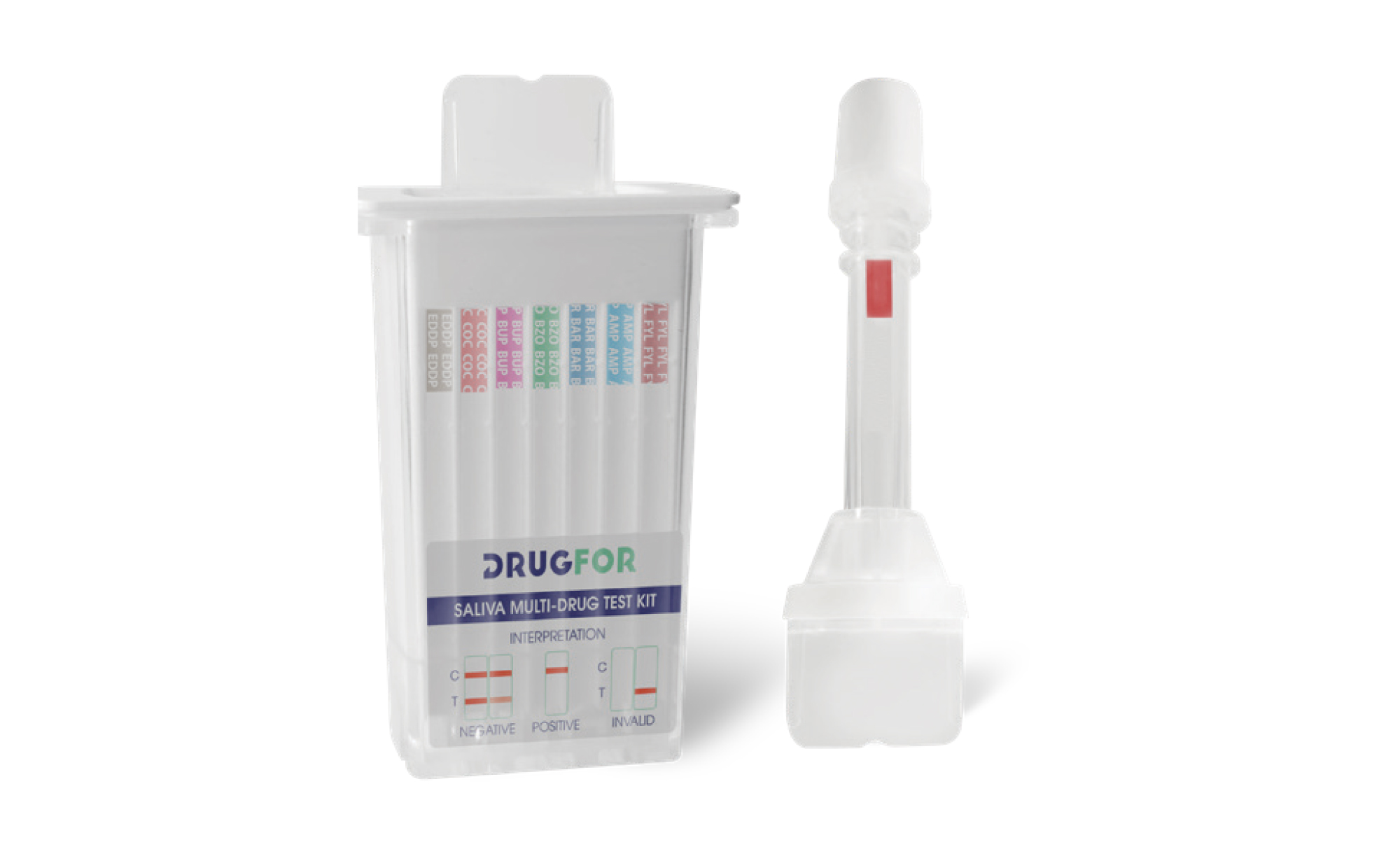
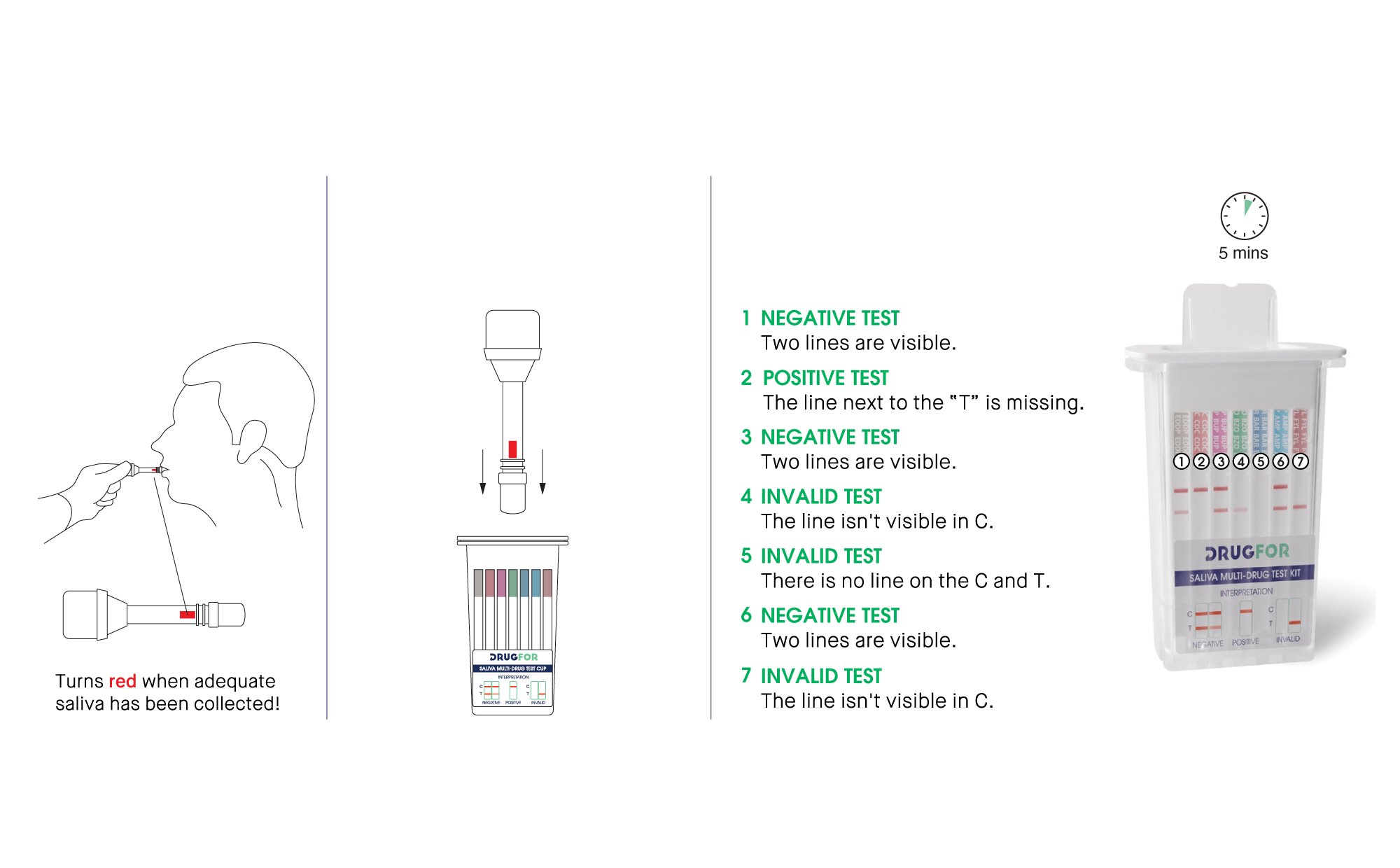
DrugFor™ Saliva Multi-Drug Test Cup is a rapid, saliva-based lateral flow test for the qualitative preliminary detection of specific drugs and metabolites in human oral fluid.
- It supports non-invasive sample collection using a sponge collector and provides results within 3-5 minutes, making it suitable for professional screening workflows.
- The test covers a broad drug panel including amphetamines, benzodiazepines, cocaine, cotinine, methadone, buprenorphine, synthetic cannabinoids, fentanyl, opiates, ketamine, tramadol, methamphetamine, THC, 6-MAM and others.
The goal of drug screening is not punishment or stigma. In professional and healthcare-related contexts, screening can support early identification, referral, counseling, monitoring and appropriate follow-up pathways.
When used responsibly, saliva-based drug testing can contribute to prevention-focused strategies by helping professionals make timely and informed decisions.
Conclusion
International Day Against Drug Abuse and Illicit Trafficking is a reminder that prevention requires education, compassion and practical tools. Saliva-based multi-drug screening can support professional testing workflows by offering a non-invasive and practical approach for preliminary substance use assessment.
Explore how Vitrosens’s Saliva Multi-Drug Test Cup can support professional saliva-based drug screening workflows. Contact sales@vitrosens.com to learn more or discover the product porfolio.
References
- United Nations Office on Drugs and Crime. “World Drug Day – 26 June.”
- PACE Hospitals. “International Day Against Drug Abuse and Illicit Trafficking – 26 June.”
- United Nations. “International Day against Drug Abuse and Illicit Trafficking.” UN Observances.
- United Nations Office on Drugs and Crime. “World Drug Report.”


