

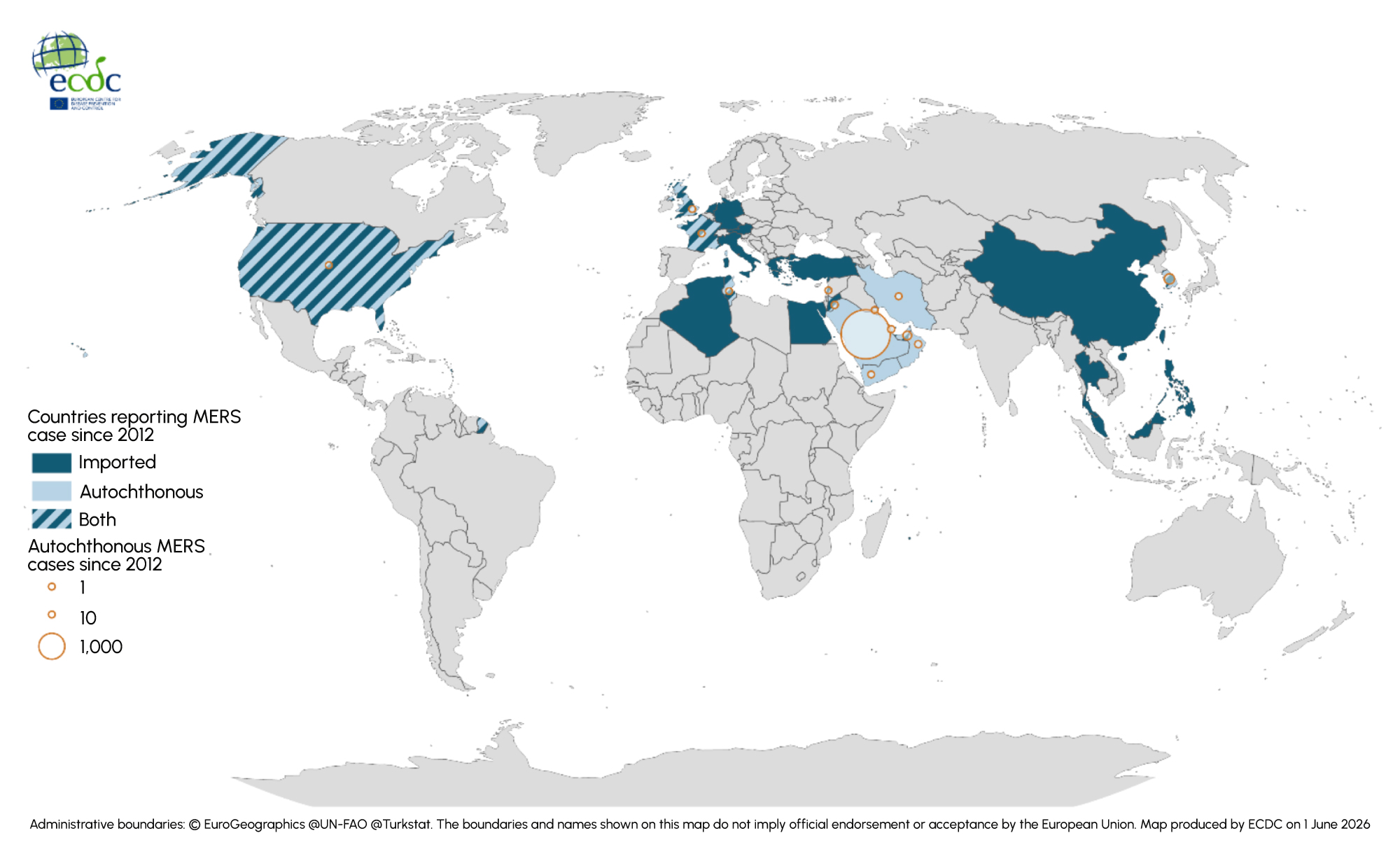
MERS-CoV remains a closely monitored respiratory virus, with ECDC reporting two new cases, including one fatality, in Saudi Arabia as of 1 June 2026. Although the overall number of reported cases has declined compared with previous years, continued surveillance highlights the importance of timely molecular testing in respiratory infection monitoring.
MERS-CoV qPCR Testing in Respiratory Infection Surveillance
Middle East respiratory syndrome coronavirus, known as MERS-CoV, is a zoonotic coronavirus that can cause respiratory illness in humans. According to WHO, the virus can be transmitted between dromedary camels and people, while person-to-person transmission has mainly been reported in healthcare and close-contact settings.
Since its first identification in 2012, MERS-CoV has remained a public health concern because cases can range from mild respiratory symptoms to severe disease. ECDC reported that, since April 2012 and as of 1 June 2026, 2,649 MERS cases and 960 deaths had been reported worldwide.
Why MERS-CoV Surveillance Still Matters
Even when case numbers are low, respiratory viruses with outbreak potential require continuous monitoring by PCR testing as the gold standard for laboratory confirmation. CDC describes diagnostic MERS-CoV PCR testing as a nucleic acid amplification test (NAAT).
The Role of qPCR in MERS-CoV Detection
In suspected MERS-CoV cases, qPCR-based testing can support timely laboratory investigation, patient management decisions and infection control measures.
Testing results should always be interpreted together with symptoms, exposure history, specimen quality, timing of collection and other laboratory findings.
Product Focus: MERS-CoV qPCR Kit
The kit is designed to support molecular detection of MERS-CoV nucleic acid in clinical laboratory workflows. By enabling targeted qPCR-based analysis, the kit can assist laboratories in respiratory virus surveillance, outbreak preparedness and differential diagnostic evaluation when MERS-CoV infection is clinically suspected.
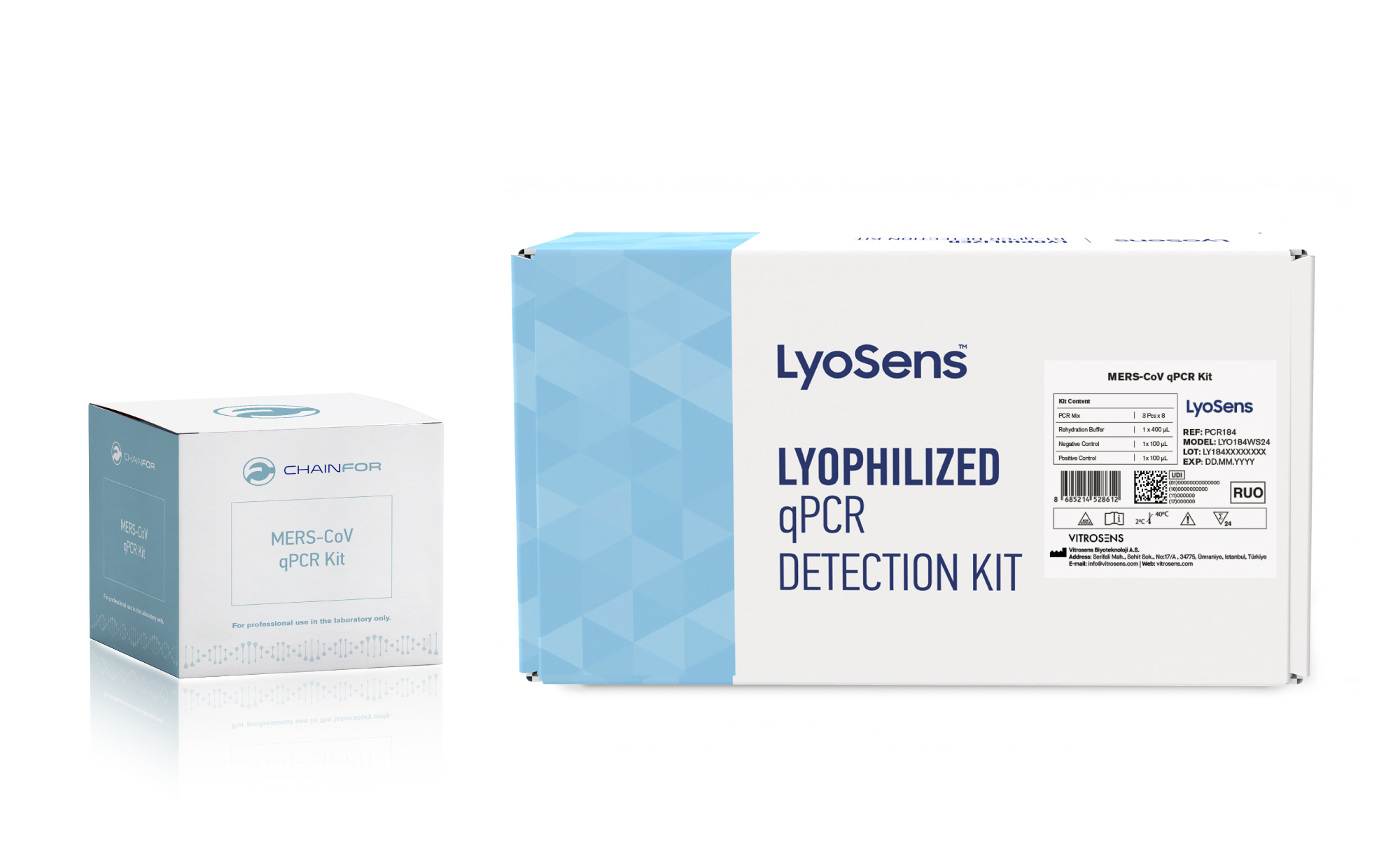
At Vitrosens, MERS-CoV qPCR Kit is available in both ChainFor™ and LyoSens™ formats, offering laboratories flexible options according to their workflow needs. While both formats support molecular detection of MERS, the lyophilized LyoSens™ format may provide additional convenience for storage, handling and ready to use reaction setup.
As with all molecular diagnostic tests, results should be evaluated by qualified healthcare professionals together with patient history, clinical findings and epidemiological information.
Conclusion
The latest ECDC update shows that MERS-CoV continues to require global surveillance, even at low reported case numbers. Molecular testing remains an important part of respiratory infection monitoring by supporting timely detection, clinical evaluation and public health preparedness.
Explore how MERS-CoV qPCR Kit can support molecular respiratory infection surveillance and clinical laboratory workflows. Contact sales@vitrosens.com to learn more or discover the product porfolio.
References
- European Centre for Disease Prevention and Control. “MERS-CoV worldwide overview: Situation update, 1 June 2026.”
- World Health Organization. “Middle East respiratory syndrome coronavirus (MERS-CoV).” Fact Sheet.
- European Centre for Disease Prevention and Control. “Factsheet about Middle East respiratory syndrome coronavirus.”
- World Organisation for Animal Health. “Middle East Respiratory Syndrome Coronavirus Infection of Dromedary Camels.”


