

Diabetes Week, taking place from 8 to 14 June 2026, is a meaningful reminder that diabetes care is not limited to blood glucose alone. This year’s campaign also highlights the need to change how people talk about diabetes and reduce stigma around the condition. In clinical practice, diabetes management requires a broader view, including long-term monitoring of organs that may be affected over time.
One of the most important areas in this broader approach is kidney health. Diabetes is a major risk factor for chronic kidney disease, and kidney damage may develop gradually without obvious symptoms in the early stages. The CDC notes that people with diabetes should have their kidneys checked regularly through simple blood and urine tests, because regular testing can help identify chronic kidney disease earlier.
Why Creatinine Matters
Creatinine is a waste product generated by normal muscle metabolism and removed from the body by the kidneys. When kidney filtration is reduced, creatinine may accumulate in the blood. For this reason, creatinine measurement is commonly used as part of kidney function assessment.
Creatinine is also used to calculate estimated glomerular filtration rate, or eGFR, which helps evaluate how well the kidneys remove waste, toxins and extra fluid from the blood. According to the CDC, serum creatinine level, age and sex are used to calculate GFR.
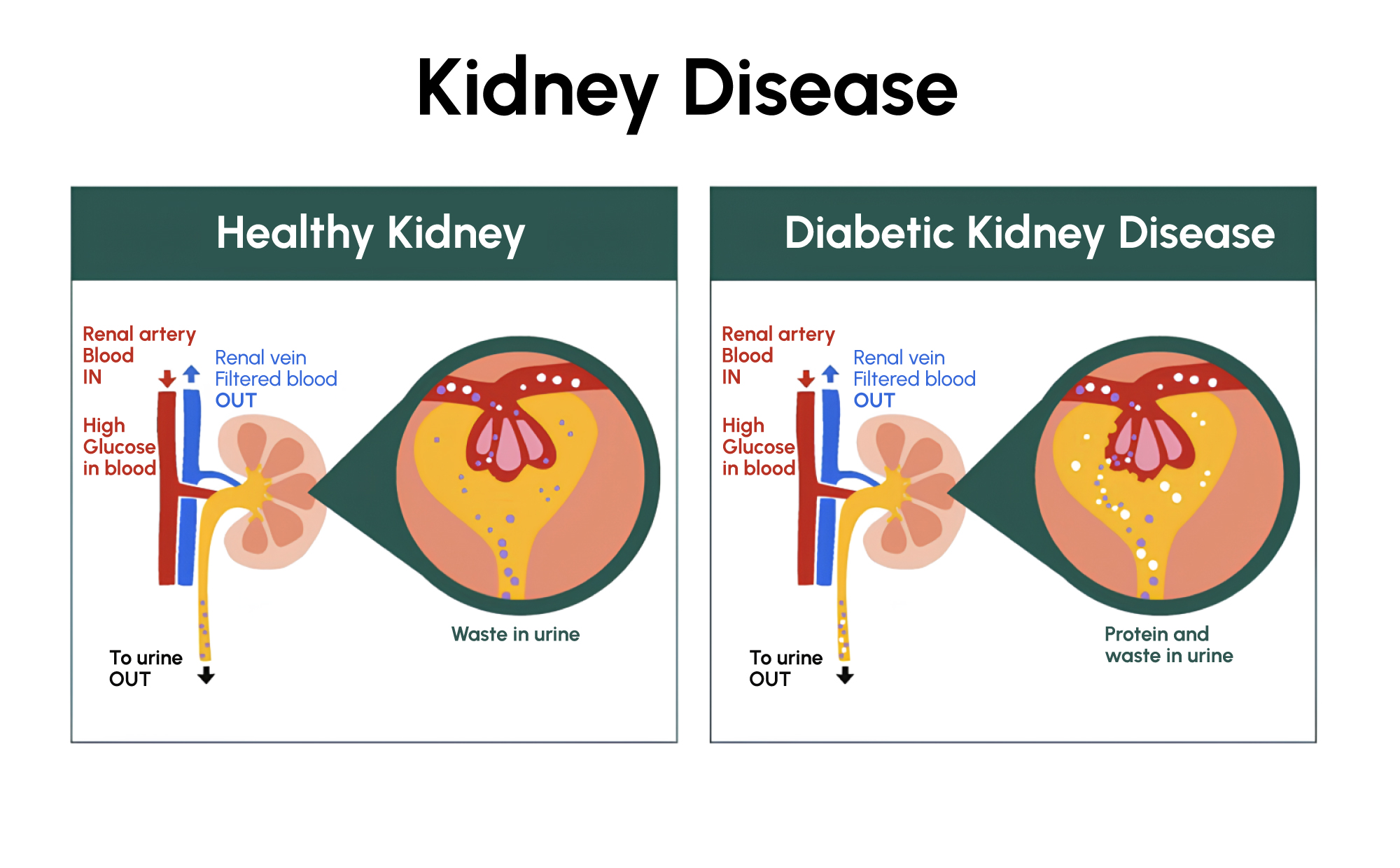
A Practical Marker in Diabetes Follow-Up
For people living with diabetes, kidney monitoring is an important part of preventive care. Changes in kidney function may influence clinical follow-up, treatment decisions and risk management. Since early kidney disease may not cause noticeable symptoms, laboratory testing plays an important role in routine evaluation.
Creatinine testing does not replace full clinical assessment. It should be interpreted together with patient history, diabetes status, urine albumin testing, eGFR, medications, hydration status and other laboratory findings when needed.
Creatinine (FIA) in Clinical Workflows
Creatinine (FIA) offers a practical immunofluorescence-based approach for the quantitative measurement of creatinine in human serum and plasma samples. Used with an immunofluorescence analyzer, the test provides objective analyzer-read results within 5 minutes, supporting efficient kidney function assessment in clinical and point-of-care workflows. This can be particularly useful when rapid evaluation is needed as part of broader patient follow-up, including individuals with diabetes-related renal risk.
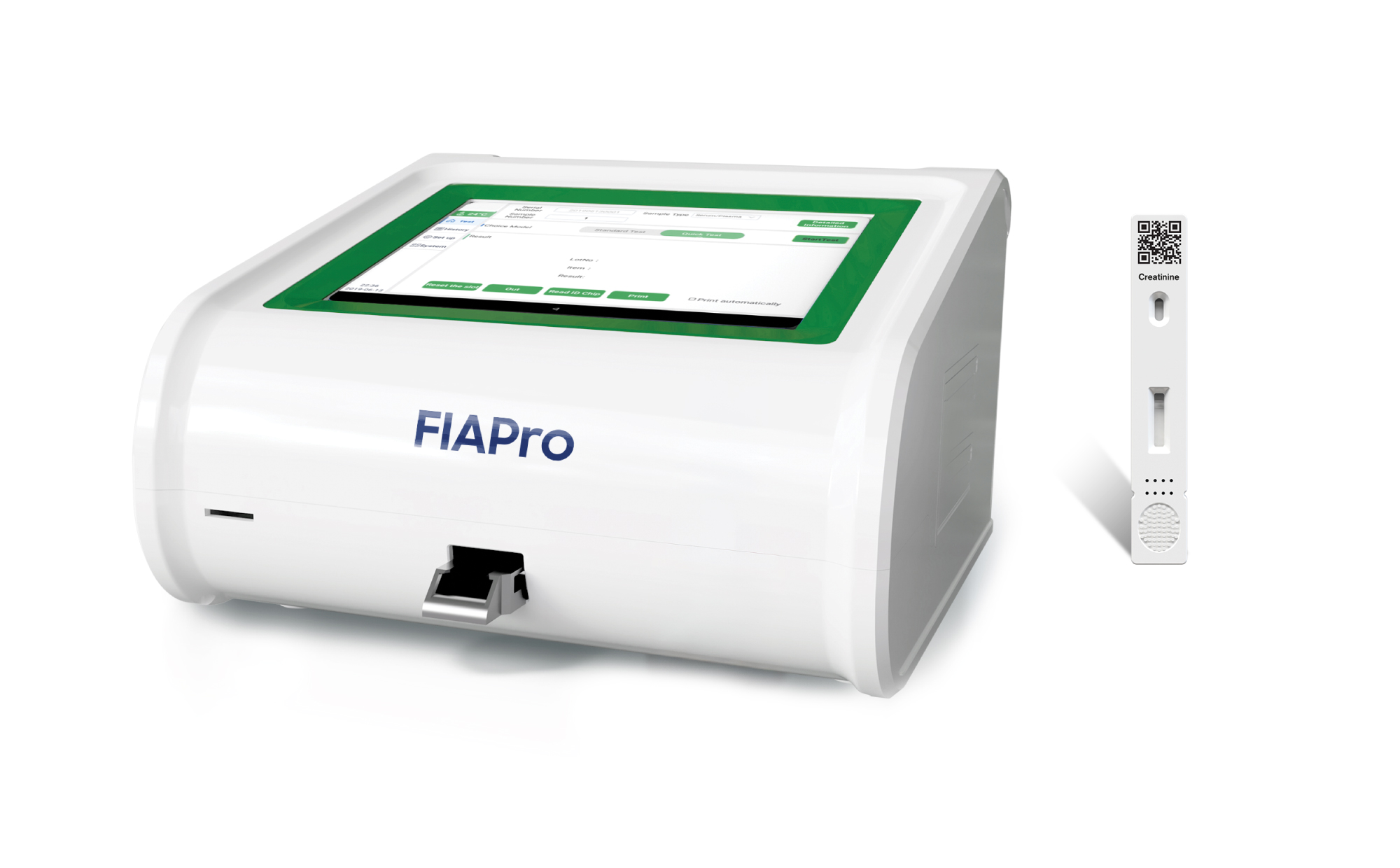
RapidFor Creatinine (FIA) can support practical creatinine assessment in clinical and point-of-care workflows. By providing rapid and objective analyzer-based results, it may help healthcare professionals evaluate kidney function more efficiently as part of broader patient management.
Kit advantages:
- Supports kidney function assessment through creatinine measurement
- Useful in the follow-up of patients with diabetes-related renal risk
- Provides analyzer-read results for objective interpretation
- Supports faster clinical workflow compared with conventional delayed testing pathways with 5 minute reaction time
- Can contribute to routine monitoring in near-patient or laboratory settings
- Helps healthcare professionals interpret renal status together with eGFR and other clinical findings
Conclusion
Diabetes Week is a good opportunity to look beyond glucose and focus on the wider impact of diabetes on long-term health. Creatinine testing is a practical part of kidney function assessment and can support early awareness, routine monitoring and clinical decision-making in patients with renal risk.
Explore how Creatinine (FIA) can support practical kidney function assessment in clinical workflows. Contact sales@vitrosens.com to learn more.
References
- Diabetes UK. “Diabetes Week 2026.”
- Centers for Disease Control and Prevention. “Chronic Kidney Disease and Diabetes.”
- Centers for Disease Control and Prevention. “Testing for Chronic Kidney Disease.”
- National Kidney Foundation. “Estimated Glomerular Filtration Rate (eGFR).”
- National Institute of Diabetes and Digestive and Kidney Diseases. “Estimated Glomerular Filtration Rate Calculators.”


