
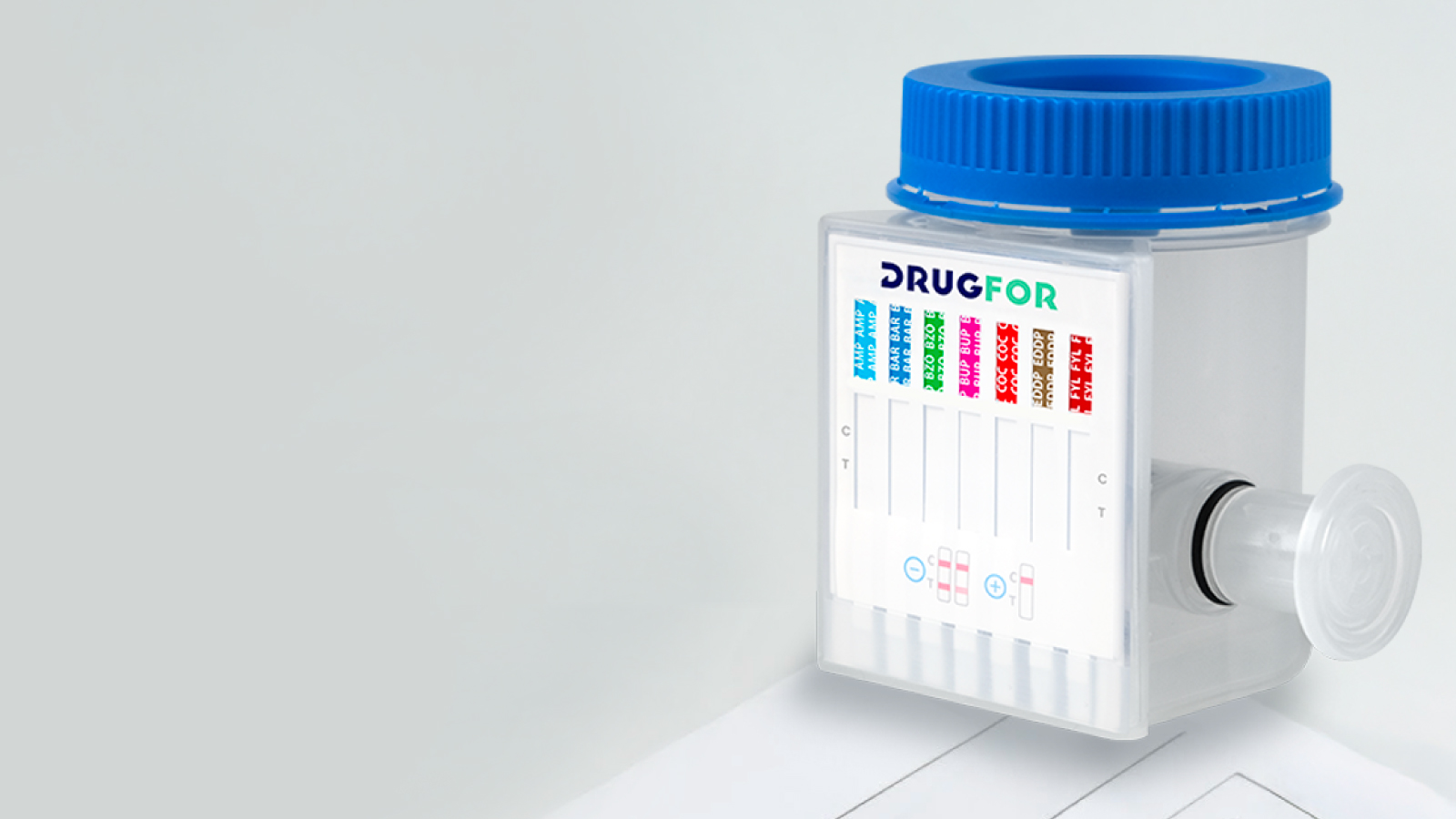
In 2026, workplace safety discussions are increasingly focused on the detection of synthetic opioids and the interpretation of THC-related testing policies. As authorities such as the U.S. Department of Transportation (DOT) and the Department of Health and Human Services (HHS) update federal workplace drug testing frameworks, employers are placing greater emphasis on secure, tamper-resistant screening technologies.
The 2026 Regulatory Landscape: A New Era of Vigilance
As we move through 2026, workplace safety is no longer just about identifying “traditional” substances. The regulatory environment has reached a definitive tipping point. Recent HHS updates have added fentanyl and norfentanyl to authorized federal workplace drug testing panels, while DOT has proposed aligning 49 CFR Part 40 with these changes for safety-sensitive transportation sectors.
With CDC reporting continued high rates of synthetic opioid use and the WHO emphasizing the social burden of workplace impairment, employers are under increasing pressure to utilize more secure and comprehensive screening tools. To meet these 2026 enforcement expectations, safety-sensitive industries are shifting toward integrated key-cup systems that prioritize sample integrity and chain of custody.
Industry Insight: The Fentanyl Gap in Workplace Safety
Recent data from 2025–2026 highlights a dangerous trend: fentanyl is bypassing initial hiring filters. A study analyzing over eight million workforce tests found that fentanyl positivity is seven times higher in random, unannounced drug tests than in pre-employment screenings. This suggests that substance use often starts or continues after an employee has already joined the team.
Furthermore, nearly 60% of fentanyl-positive tests involve “polysubstance use” the combination of fentanyl with other drugs like marijuana or amphetamines. For businesses, especially those in safety-sensitive industries, this creates a high-risk environment for accidents, legal liability, and operational disruption.
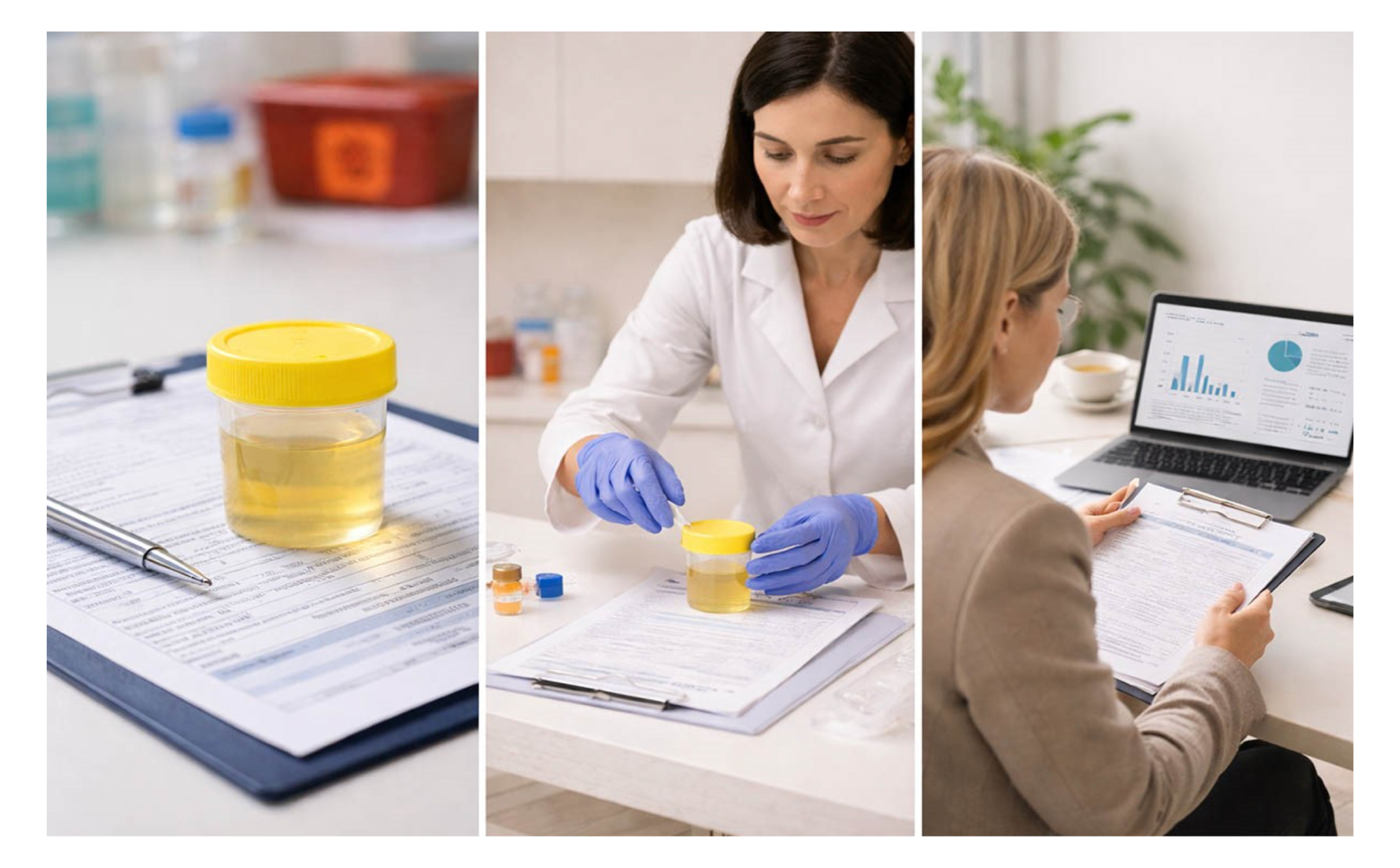
Fentanyl and the DOT: The U.S. Department of Transportation (DOT) has concluded its public comment period regarding the addition of fentanyl to its mandatory testing panel. While the proposal is under final review and not yet a requirement, it signals a major move toward addressing synthetic opioids in safety-sensitive industries.
Marijuana Rescheduling: Marijuana policy remains in transition. Although recent federal actions have moved certain FDA-approved or state-licensed medical marijuana products toward Schedule III treatment, broader marijuana rescheduling is still subject to ongoing DEA proceedings. Therefore, existing workplace testing protocols should be interpreted according to current federal, state, and employer-specific requirements.
Introducing the DrugFor™ Urine Multi-Drug Test Key Cup
The DrugFor™ Urine Multi-Drug Test Key Cup is an advanced, all-in-one professional screening solution. While it utilizes the same high-sensitivity technology as standard multi-drug cups, the “Key” version is specifically engineered for high-stakes environments where preventing sample tampering and maintaining a “split sample” for laboratory confirmation is critical.
Why the “Key” Mechanism is the 2026 Industry Standard:
- Total Collector Control: The most significant feature is the specialized key. The test does not begin the moment the sample is provided; instead, the supervisor or collector decides exactly when to start the process by inserting the key.
- Guarding Sample Integrity: This controlled start allows the collector to verify the sample first. It ensures that the urine used for the screening remains separate from the testing strips until the moment of activation, keeping the sample “clean” for further professional evaluation if needed.
- A Shield Against Tampering: With built-in features to monitor sample temperature and security seals to prevent substitution, the Key Cup is a powerful deterrent against the latest trends in “cheating” workplace drug tests.
- Modern Multi-Panel Solutions: Our panels are designed to address the specific substances that safety officers are most concerned about in 2026, including highly potent synthetic opioids and THC.
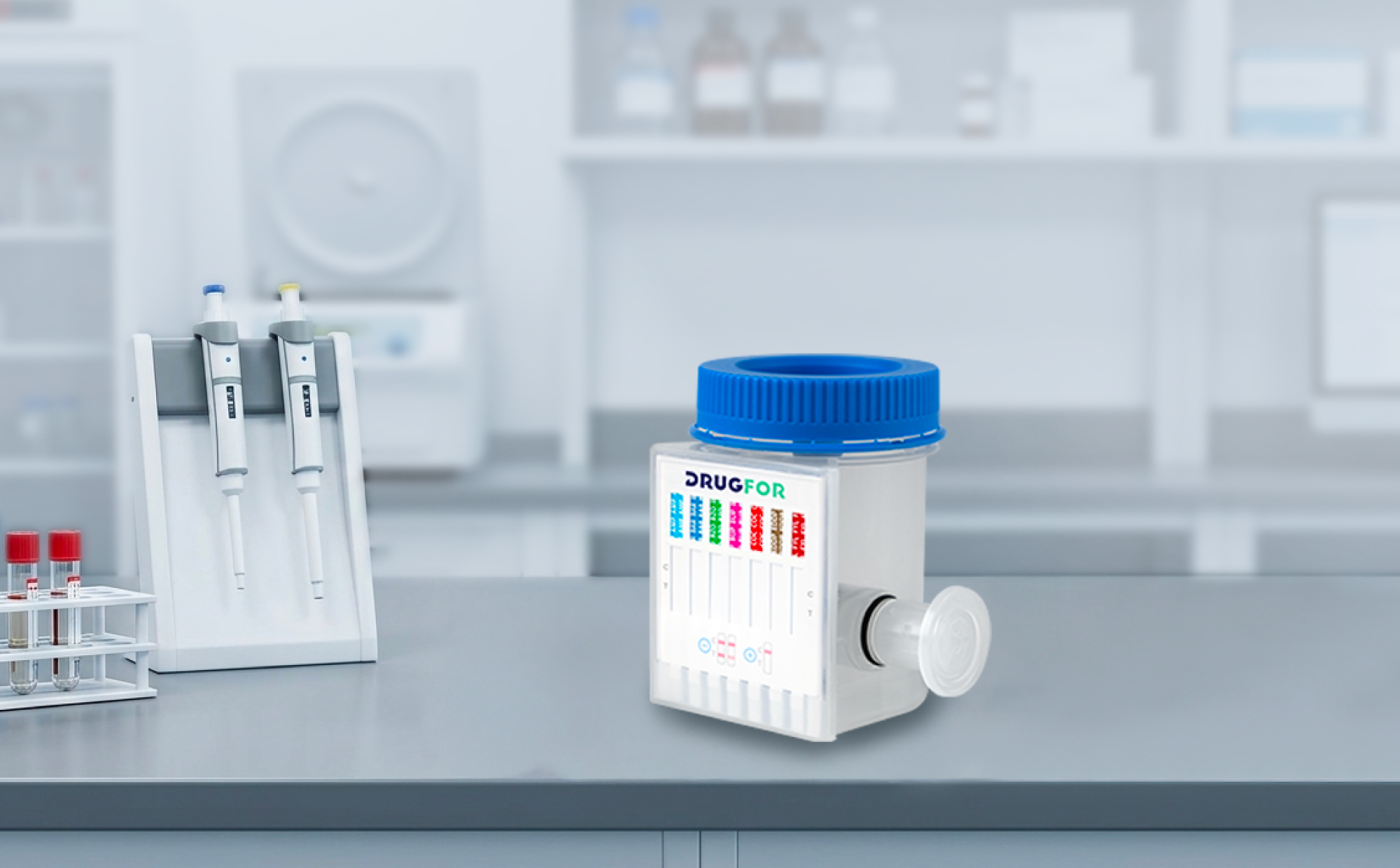
A Professional Workflow Designed for Simplicity
Despite its advanced security, the Key Cup is remarkably easy to us:
- Simple Collection: Once the participant provides the specimen, authorized personnel immediately check the temperature to ensure sample validity.
- Secure and Seal: The lid is tightened and a security seal is applied, ensuring the sample cannot be altered.
- Key Activation: When the collector is ready to see the results, they simply push the Key into the base of the cup.
- Immediate Results: Results are ready to read in just minutes, providing the quick answers needed for “reasonable suspicion” or post-accident protocols.
Conclusion
In an era where synthetic substances are more prevalent than ever, relying on outdated testing methods is a risk most companies can’t afford to take. The DrugFor™ Urine Multi-Drug Test Key Cup provides a professional and a structured and secure screening workflow that supports workplace drug testing programs and documentation practices. By choosing a system that prioritizes sample integrity, you are choosing a safer future for your entire workforce.
Ready to future-proof your workplace safety protocols? Explore our complete range of high-precision diagnostic solutions at vitrosens.com or reach out to our expert team at sales@vitrosens.com for a tailored consultation.
References
- U.S. Department of Transportation (DOT): 49 CFR Part 40 – Federal Register Updates 2026.
- Centers for Disease Control and Prevention (CDC): Trends in synthetic opioid prevalence and public safety.
- World Health Organization (WHO): Global Status Report on Alcohol and Health and Treatment of Substance Use Disorders.
- Centers for Disease Control and Prevention (CDC): Drug Overdose Deaths and Workplace Safety Trends 2026.
- National Drug-Free Workplace Alliance (NDWA). Resources and Guidelines for Drug-Free Workplace Programs.


