

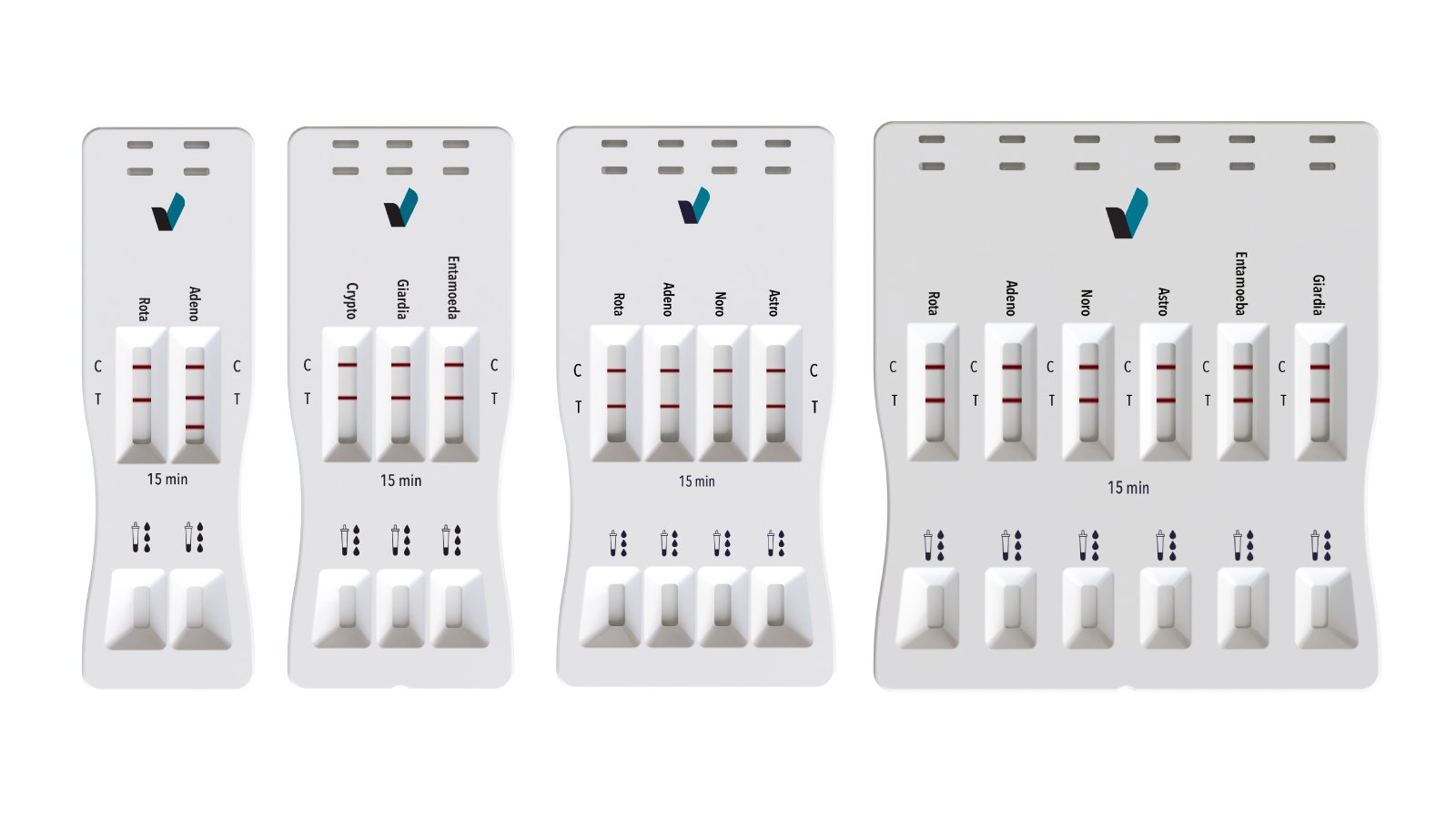
Winter months bring more than just cold temperatures and seasonal flu, they also herald a surge in gastrointestinal infections that affect millions worldwide. From viral pathogens like norovirus and rotavirus to parasitic organisms such as Cryptosporidium and Giardia, winter GI outbreaks pose significant challenges for healthcare systems, particularly in crowded settings like schools, hospitals, and care facilities. The RapidFor™ Rota+Adeno+Noro+Astrovirus Test Kit and RapidFor™ Crypto+Giardia+Entamoeba Test Kit provide comprehensive diagnostic solutions that enable healthcare professionals to rapidly identify the causative agents of gastroenteritis and implement appropriate treatment strategies. This blog explores why GI infections spike during winter, examines the key pathogens involved, and demonstrates how these innovative rapid test kits are transforming point-of-care diagnostics.
Why Winter Fuels Gastrointestinal Outbreaks
Winter creates the perfect storm for GI pathogen transmission through multiple environmental and behavioral factors. Cold, dry air allows certain viruses like norovirus to survive longer on surfaces, with some studies showing viability for days or even weeks on contaminated objects. The tendency for people to gather indoors in poorly ventilated spaces during winter months facilitates person-to-person transmission, while reduced humidity levels help viral particles remain airborne longer.
Additionally, winter holidays and travel increase population mixing, bringing together individuals from different geographic areas and creating opportunities for pathogen spread. Schools reopening after holiday breaks often see clusters of GI infections as children return to close-contact environments. Healthcare facilities face increased burden as winter viruses circulate, making nosocomial GI infections more common. Understanding these seasonal patterns helps healthcare providers anticipate surge capacity needs and implement preventive measures proactively.
Viral Gastroenteritis: The Winter Troublemakers
Norovirus: The Winter Vomiting Bug
Norovirus stands as the leading cause of acute gastroenteritis outbreaks worldwide, earning its nickname as the “winter vomiting bug.” This highly contagious virus causes approximately 685 million cases annually, with winter months accounting for the majority of outbreaks in temperate climates. Norovirus requires only 10-100 viral particles to cause infection, making it extraordinarily transmissible through contaminated food, water, surfaces, and person-to-person contact.
The virus causes sudden onset of severe vomiting, watery diarrhea, stomach cramps, and nausea, typically lasting 1-3 days. However, infected individuals can shed the virus for weeks after symptoms resolve, contributing to prolonged outbreak duration in institutional settings. Norovirus disproportionately affects the very young, elderly, and immunocompromised individuals, who may experience more severe or prolonged illness requiring hospitalization.
Rotavirus: Persistent Threat to Children
Despite widespread vaccination programs, rotavirus remains a significant cause of severe diarrhea in children under five years old, particularly in regions with lower vaccination coverage. The virus causes approximately 128,500 deaths annually in children, predominantly in developing countries. Winter and early spring mark peak rotavirus season in temperate climates, with the virus spreading rapidly through daycare centers and pediatric wards.
Rotavirus causes severe watery diarrhea, fever, and vomiting that can quickly lead to life-threatening dehydration in young children. The virus’s resilience in the environment and high viral load in stool (10 billion viral particles per gram) facilitate transmission through fecal-oral routes. Early detection enables rapid rehydration therapy and appropriate infection control measures.
Adenovirus and Astrovirus: Underrecognized Contributors
Adenovirus accounts for 5-10% of gastroenteritis cases in children, with serotypes 40 and 41 specifically causing prolonged diarrhea lasting 8-12 days. Unlike other winter viruses, adenovirus infections occur year-round but increase during winter months. Astrovirus primarily affects infants, young children, and elderly adults, causing milder symptoms than rotavirus but contributing significantly to overall GI illness burden during winter outbreaks.
Both viruses often go undetected when single-pathogen tests are used, highlighting the importance of multiplex diagnostic approaches. Co-infections involving multiple viral pathogens complicate clinical presentation and may prolong illness duration, making comprehensive testing essential for optimal patient management.
Parasitic Gastroenteritis: Hidden Winter Threats
Cryptosporidium: The Chlorine-Resistant Parasite
Cryptosporidium poses unique challenges as a waterborne parasite that resists standard chlorine disinfection, making contaminated water sources particularly problematic during winter months when water treatment facilities may operate under challenging conditions. The parasite causes cryptosporidiosis, characterized by watery diarrhea, stomach cramps, nausea, and dehydration lasting 1-2 weeks in immunocompetent individuals.
Immunocompromised patients, including those with HIV/AIDS, cancer, or transplant recipients, may experience chronic, life-threatening cryptosporidiosis requiring specialized treatment. Winter recreational water activities, consumption of contaminated drinking water, and close contact in institutional settings drive transmission. Cryptosporidium oocysts can survive for months in cold water, maintaining infectivity throughout winter.
Giardia lamblia: The Persistent Protozoan
Giardia lamblia ranks as one of the most common intestinal parasites worldwide, affecting approximately 280 million people annually. The parasite causes giardiasis, featuring chronic diarrhea, greasy stools, abdominal cramps, bloating, and malabsorption that can persist for weeks if untreated. Giardia cysts remain viable in cold water and can survive freezing temperatures, maintaining transmission potential throughout winter.
Person-to-person transmission occurs readily in daycare centers, nursing homes, and households, while waterborne outbreaks affect communities relying on inadequately treated water sources. Winter camping, skiing, and outdoor activities increase exposure risk when individuals consume untreated water from streams or lakes. Chronic giardiasis can lead to nutritional deficiencies and growth delays in children.
Entamoeba histolytica: The Invasive Amoeba
Entamoeba histolytica causes amebiasis, ranging from asymptomatic colonization to severe invasive disease affecting the intestines and liver. While more common in tropical regions, imported cases and transmission among travelers returning during winter months make this parasite clinically relevant year-round. The parasite causes bloody diarrhea (dysentery), severe abdominal pain, and potentially life-threatening complications including liver abscess and intestinal perforation.
Distinguishing Entamoeba histolytica from non-pathogenic Entamoeba species requires specific diagnostic testing, as morphological examination alone cannot reliably differentiate dangerous from harmless amoebae. Accurate identification enables targeted treatment and prevents unnecessary therapy for non-pathogenic colonization.
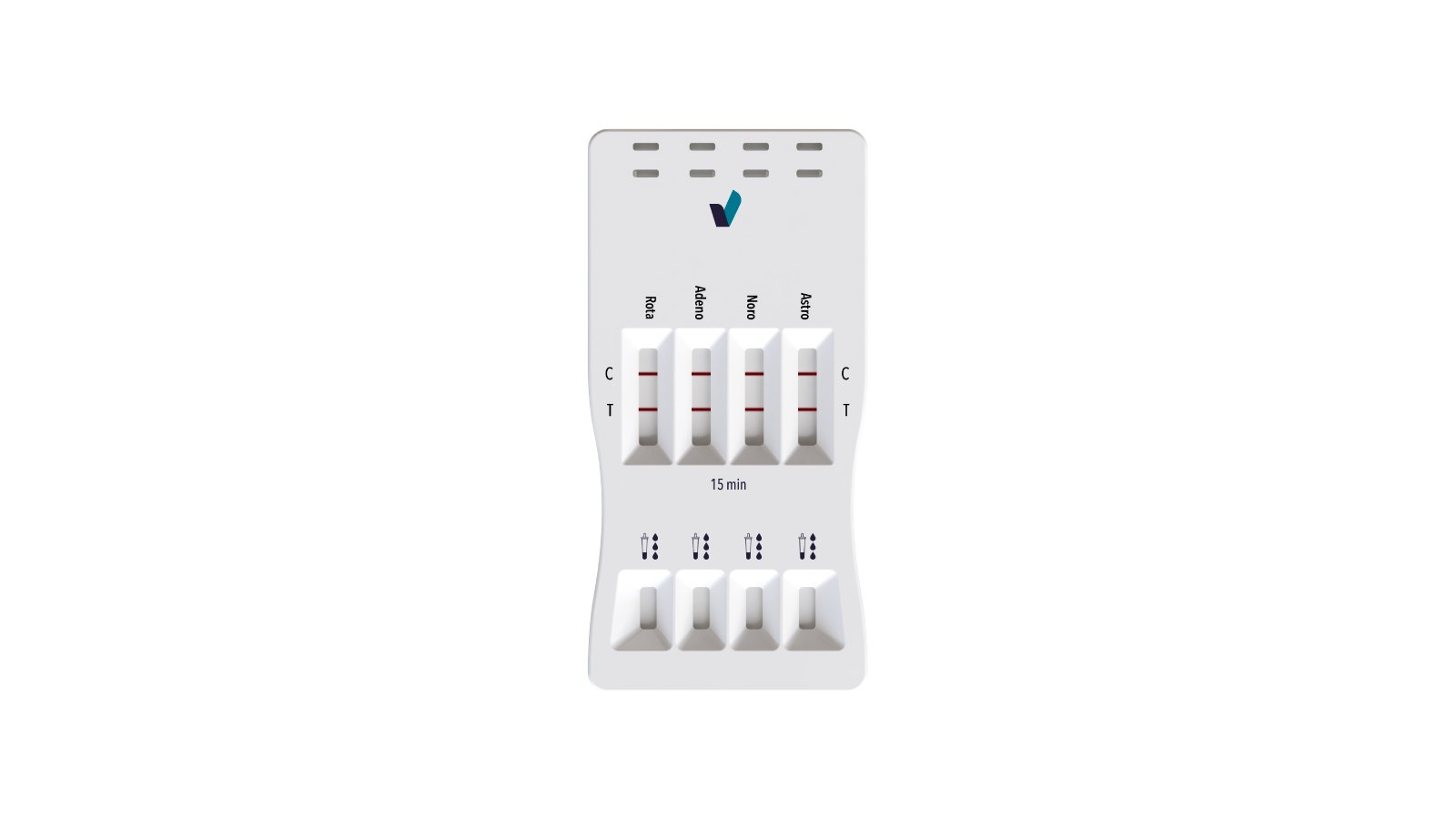
The RapidFor™ Rota+Adeno+Noro+Astrovirus Test Kit: Comprehensive Viral Detection
The RapidFor™ Rota+Adeno+Noro+Astrovirus Test Kit provides healthcare professionals with a powerful multiplex rapid diagnostic solution for detecting the four most common viral causes of winter gastroenteritis simultaneously. This innovative test kit addresses the critical diagnostic gap in differentiating between viral pathogens that present with similar symptoms, enabling targeted patient management and infection control interventions within minutes rather than days required for laboratory confirmation.
Winter outbreak scenarios particularly benefit from rapid viral identification when multiple patients present with gastroenteritis symptoms in hospitals, nursing homes, or schools, knowing the specific causative virus within 15-20 minutes allows immediate implementation of appropriate isolation protocols and prevents further transmission. The test’s ability to detect co-infections provides crucial information, as patients infected with multiple viruses may experience more severe or prolonged illness requiring enhanced supportive care.
Key Features and Benefits:
- Simultaneous Quadruplex Detection: Identifies rotavirus, adenovirus, norovirus, and astrovirus in a single test, eliminating the need for multiple diagnostic procedures and reducing time to diagnosis
- Point-of-Care Convenience: Requires no specialized equipment or extensive training, making it ideal for emergency departments, urgent care clinics, pediatric offices, and field hospitals
- Cost-Effective Screening: Reduces unnecessary antibiotic prescriptions, prevents expensive confirmatory testing, and optimizes resource allocation during high-volume winter surge periods
- Outbreak Management Support: Enables rapid identification of outbreak-causing pathogens, facilitating public health response coordination and targeted intervention strategies
Why the RapidFor™️ Rota+Adeno+Noro+Astrovirus Test Kit Is Critical for Winter Outbreak Response
During winter months, emergency departments and urgent care clinics face overwhelming patient volumes, with gastroenteritis accounting for a significant proportion of visits. Traditional laboratory testing requires 24-72 hours for results, during which patients may deteriorate, outbreaks may spread unchecked, and healthcare resources are strained by uncertainty. The RapidFor™ Rota+Adeno+Noro+Astrovirus test kit transforms this scenario by providing immediate diagnostic clarity at the point of care.
The ability to simultaneously detect four viral pathogens addresses a critical clinical challenge: symptoms of rotavirus, adenovirus, norovirus, and astrovirus are clinically indistinguishable. Without specific diagnosis, clinicians must implement broad precautions and cannot provide patients with accurate information about illness duration, transmission risk, or expected recovery timeline. The RapidFor™ Rota+Adeno+Noro+Astrovirus test kit eliminates diagnostic uncertainty, enabling pathogen-specific counseling and targeted infection control.
For outbreak management in institutional settings, rapid viral identification is essential. When a single confirmed norovirus case is identified in a nursing home, facility-wide protocols can be immediately activated to prevent the explosive spread characteristic of this highly contagious pathogen. Early detection and intervention can mean the difference between containing an outbreak affecting 5-10 residents versus one affecting 50+ residents and staff, with associated hospitalizations, deaths, and facility closures.
The RapidFor™ Crypto+Giardia+Entamoeba Test Kit: Essential Parasitic Screening
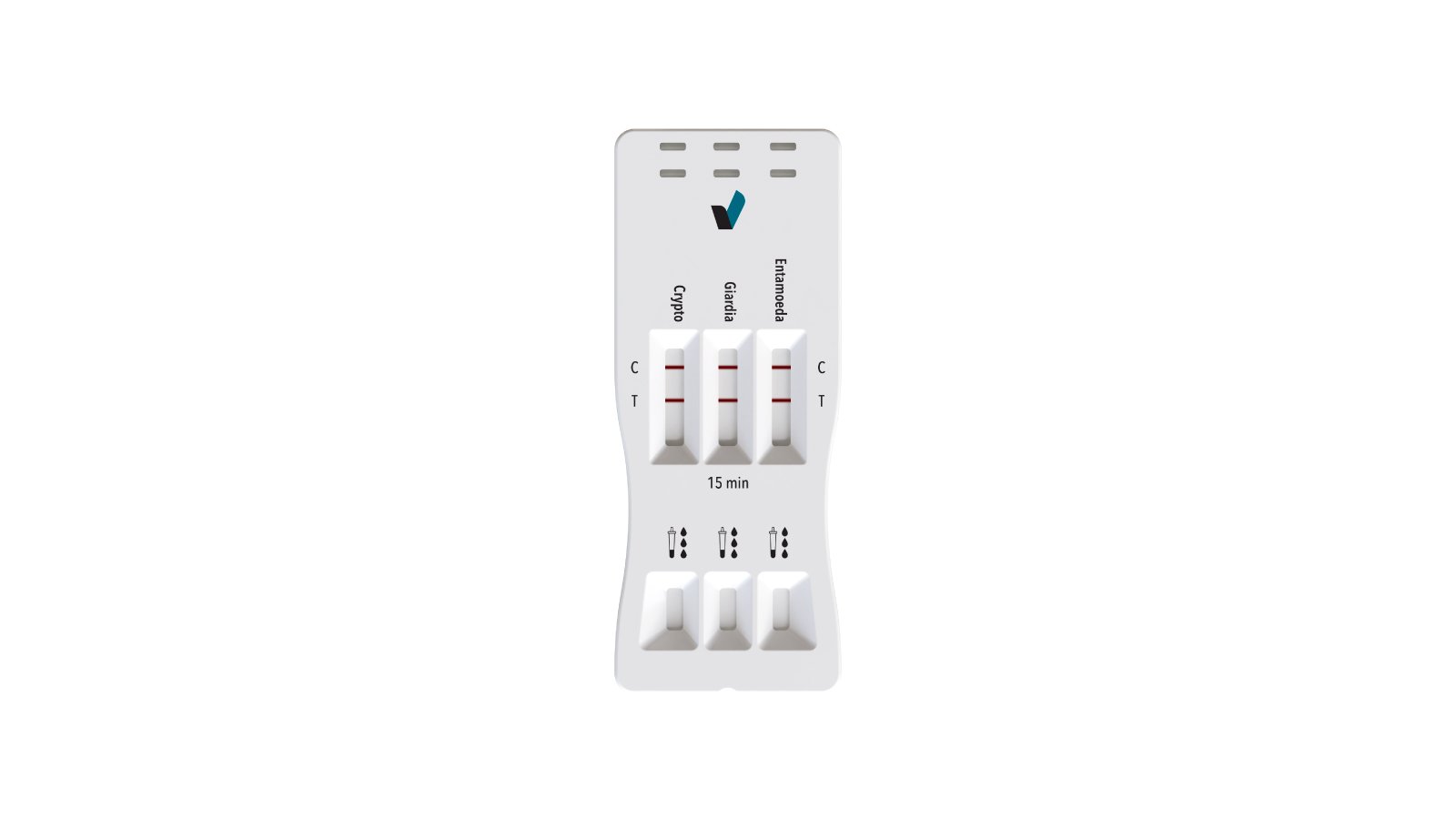
The RapidFor™ Crypto+Giardia+Entamoeba Test Kit addresses the often-overlooked realm of parasitic gastroenteritis, providing rapid detection of Cryptosporidium, Giardia lamblia, and Entamoeba histolytica three parasites that cause significant morbidity, particularly in vulnerable populations. Traditional parasitic diagnosis relies on microscopic stool examination requiring experienced parasitologists and multiple sample collections, often delaying diagnosis by days or weeks. This rapid test kit transforms parasitic gastroenteritis diagnosis by delivering accurate results in 15-20 minutes from a single stool sample.
Winter presents unique challenges for parasitic GI infections, as patients with chronic diarrhea may be initially misdiagnosed with viral gastroenteritis. When symptoms persist beyond expected viral illness duration, parasitic causes must be considered. The RapidFor™ enables healthcare providers to quickly rule in or rule out parasitic infection, preventing prolonged patient suffering and reducing transmission to household members and close contacts.
Key Features and Benefits:
- Triple Parasite Detection: Simultaneously screens for Cryptosporidium, Giardia, and Entamoeba histolytica, covering the most clinically significant parasitic causes of gastroenteritis
- Single Sample Efficiency: Requires only one stool sample instead of the traditional three-sample collection over multiple days, improving patient compliance and reducing time to diagnosis
- Waterborne Outbreak Response: Enables quick screening during suspected waterborne contamination events, supporting public health investigations and protecting community health
- Travel Medicine Applications: Facilitates diagnosis in returning travelers presenting with persistent diarrhea, guiding appropriate antimicrobial therapy
Why the RapidFor™ Crypto+Giardia+Entamoeba Test Kit Is Essential for Complete GI Diagnostics
Parasitic gastroenteritis represents a diagnostic blind spot in many healthcare settings, with traditional methods requiring specialized laboratory infrastructure, trained microscopists, and multiple days for results. Patients with parasitic infections often undergo repeated medical visits, unnecessary antibiotic courses, and prolonged suffering before receiving correct diagnosis and treatment. The RapidFor™ Crypto+Giardia+Entamoeba test kit eliminates these barriers by providing immediate parasitic screening at the point of care.
For immunocompromised patients, rapid parasitic diagnosis can be life-saving. Cryptosporidiosis in AIDS patients causes chronic, profuse diarrhea leading to severe malnutrition, electrolyte imbalances, and death if untreated. Every day of diagnostic delay increases morbidity and mortality risk.
Waterborne outbreak investigations particularly benefit from rapid parasitic testing. When multiple community members develop gastroenteritis following a suspected water contamination event, public health officials need immediate pathogen identification to guide interventions such as boil water advisories, water system decontamination, and community education.
The test also addresses a common clinical scenario: patients with persistent diarrhea lasting beyond typical viral gastroenteritis duration. When symptoms continue for 7-14 days, parasitic causes become increasingly likely. Rather than waiting weeks for traditional parasitology results or empirically treating without confirmation, clinicians can use the RapidFor™ to rapidly determine if parasites are present, enabling evidence-based treatment decisions.
Transforming Winter Outbreak Management and Patient Care
The combination of RapidFor™ rapid test kits represents a paradigm shift in comprehensive gastroenteritis diagnostics, particularly during high-burden winter months when healthcare systems face maximum pressure. These complementary diagnostic tools provide several transformative benefits:
- Enhanced Outbreak Control: Rapid pathogen identification within minutes allows immediate implementation of pathogen-specific isolation precautions in hospitals and long-term care facilities, preventing secondary transmission and containing outbreaks before they spread widely throughout vulnerable populations.
- Optimized Antimicrobial Stewardship: Differentiating viral from parasitic gastroenteritis prevents inappropriate antibiotic prescriptions for viral infections while ensuring timely targeted therapy for parasitic infections, supporting antimicrobial resistance prevention efforts.
- Resource Allocation Efficiency: Point-of-care testing reduces reliance on centralized laboratory services, decreases turnaround time for results, and enables more efficient patient flow through emergency departments and urgent care centers during winter surge periods.
- Improved Patient Outcomes: Earlier definitive diagnosis enables prompt initiation of appropriate supportive care, aggressive rehydration for viral infections, and targeted antiparasitic therapy when needed, reducing complications and hospitalizations particularly in high-risk populations.
- Public Health Surveillance: Rapid identification of outbreak-causing pathogens provides real-time data for public health monitoring, enabling early outbreak detection and swift public health response including source investigation and community education campaigns.
- Economic Benefits: Reducing diagnostic delays, preventing unnecessary treatments, and shortening hospital stays generate significant cost savings for healthcare systems while improving patient satisfaction through faster diagnosis and treatment decisions.
By integrating both the RapidFor™ viral panel and parasitic panel into routine gastroenteritis evaluation protocols, healthcare facilities can achieve comprehensive diagnostic coverage that addresses the full spectrum of infectious GI causes encountered during winter months.
Conclusion
Winter gastroenteritis outbreaks demand swift, accurate diagnostic solutions that can keep pace with the rapid transmission dynamics of viral and parasitic pathogens. The RapidFor™ Rota+Adeno+Noro+Astrovirus Test Kit and RapidFor™ Crypto+Giardia+Entamoeba Test Kit provide healthcare professionals with powerful point-of-care tools that transform GI diagnostics from a time-consuming laboratory process into an immediate bedside decision-making resource. By enabling simultaneous detection of multiple pathogens within minutes, these rapid test kits empower clinicians to implement targeted treatment strategies, optimize infection control measures, and protect vulnerable populations during the challenging winter outbreak season. As winter approaches and GI infections surge, equipping healthcare facilities with these comprehensive diagnostic solutions represents an essential investment in patient safety, public health, and healthcare system resilience.
Prepare Your Facility for Winter GI Outbreaks
Don’t let winter gastroenteritis outbreaks catch your healthcare facility unprepared. The RapidFor™ test kits provide the rapid, accurate diagnostics your team needs to protect patients and control transmission effectively. Whether you’re managing an emergency department, urgent care clinic, long-term care facility, or public health laboratory, these comprehensive diagnostic solutions deliver results when every minute counts.
Contact our team today to learn more about integrating RapidFor™ rapid test kits into your diagnostic protocols, request product samples, or place an order. Email us at sales@vitrosens.com to speak with a Vitrosens representative who can help you select the right diagnostic solutions for your facility’s needs and ensure you’re ready for the upcoming winter outbreak season.
References
- Centers for Disease Control and Prevention (CDC). “Norovirus: U.S. Trends and Outbreaks.”
- World Health Organization (WHO). “Diarrheal Disease Fact Sheet.”
- Shane AL, et al. “2017 Infectious Diseases Society of America Clinical Practice Guidelines for the Diagnosis and Management of Infectious Diarrhea.” Clinical Infectious Diseases, 2017.
- Kotloff KL, et al. “The Global Enteric Multicenter Study (GEMS) of diarrheal disease in infants and young children in developing countries.” Clinical Infectious Diseases, 2012.
- Centers for Disease Control and Prevention (CDC). “Cryptosporidium and Water.”
- Esch KJ, Petersen CA. “Transmission and Epidemiology of Zoonotic Protozoal Diseases of Companion Animals.” Clinical Microbiology Reviews, 2013.
- DuPont HL. “Acute infectious diarrhea in immunocompetent adults.” New England Journal of Medicine, 2014.
- Ahmed SM, et al. “Global prevalence of norovirus in cases of gastroenteritis: a systematic review and meta-analysis.” The Lancet Infectious Diseases, 2014.


