

As the leaves change color and the weather cools, many people begin to wonder: why do colds seem almost inevitable in autumn? The answer lies not merely in the “cold weather” itself, but in a combination of viral biology, host immunity, and environmental factors.
What Is Rhinovirus & How Does It Cause a Cold?
Rhinoviruses (HRVs) are the most common viral agents behind the “common cold.” They belong to the Picornaviridae family and have many different serotypes (over 100 known types) which complicates immunity and vaccine development.
When you inhale droplets or touch contaminated surfaces and then touch your nose or eyes, the virus can reach the nasal epithelium. HRVs replicate best at slightly cooler temperatures (around 33 °C), which is close to the temperature in the nasal passages one reason they preferentially infect the upper airway. The infection triggers local immune and inflammatory responses including release of cytokines, mucus production, congestion, and symptoms such as sneezing, sore throat, runny nose, and cough.

In healthy individuals, the illness is usually self-limited over 5–7 days, but in people with asthma, chronic lung disease, immunocompromise, or older age, HRV infections may worsen lower airway conditions or even lead to complications.
Why Does Autumn Favor More Infections?
Several interacting reasons explain the increased cold incidence during autumn:
- Seasonal Variation & Viral Life Cycle
Although HRVs circulate year-round, their prevalence often peaks in the fall (and spring) periods. Cooler outdoor temperatures and reduced humidity may favor viral stability and transmission.
- Lower Mucosal Defense & Immune Modulation
Dry air and lower relative humidity in indoor environments can desiccate (dry) the mucous membranes of the respiratory tract, weakening the physical barrier against viruses. Also, temperature stress may dampen the early innate immune response in the nasal mucosa, making it easier for viruses to establish infection.
- Increased Indoor Contact & Crowding
As people shift from outdoor to indoor activities (homes, public transport, schools, offices) with less ventilation, the chance of close contact transmission increases. This augmented contact facilitates spread.
- School & Community Dynamics
The start of school seasons means children gather, shedding viruses (often asymptomatically), becoming vectors to families and communities.
- Reduced Sunlight & Vitamin D / Immune Effects
With shorter daylight hours, vitamin D synthesis can drop, potentially impacting immune resilience, especially in people already marginal in their vitamin D status.
So autumn does not “cause” colds by itself, but it sets the stage: more favorable conditions for the virus, reduced host defense, and higher opportunities for transmission.
Introducing the RapidFor Rhinovirus Test Kit
Having a reliable and fast diagnostic tool is crucial, especially during cold season when distinguishing among respiratory viruses is clinically relevant.

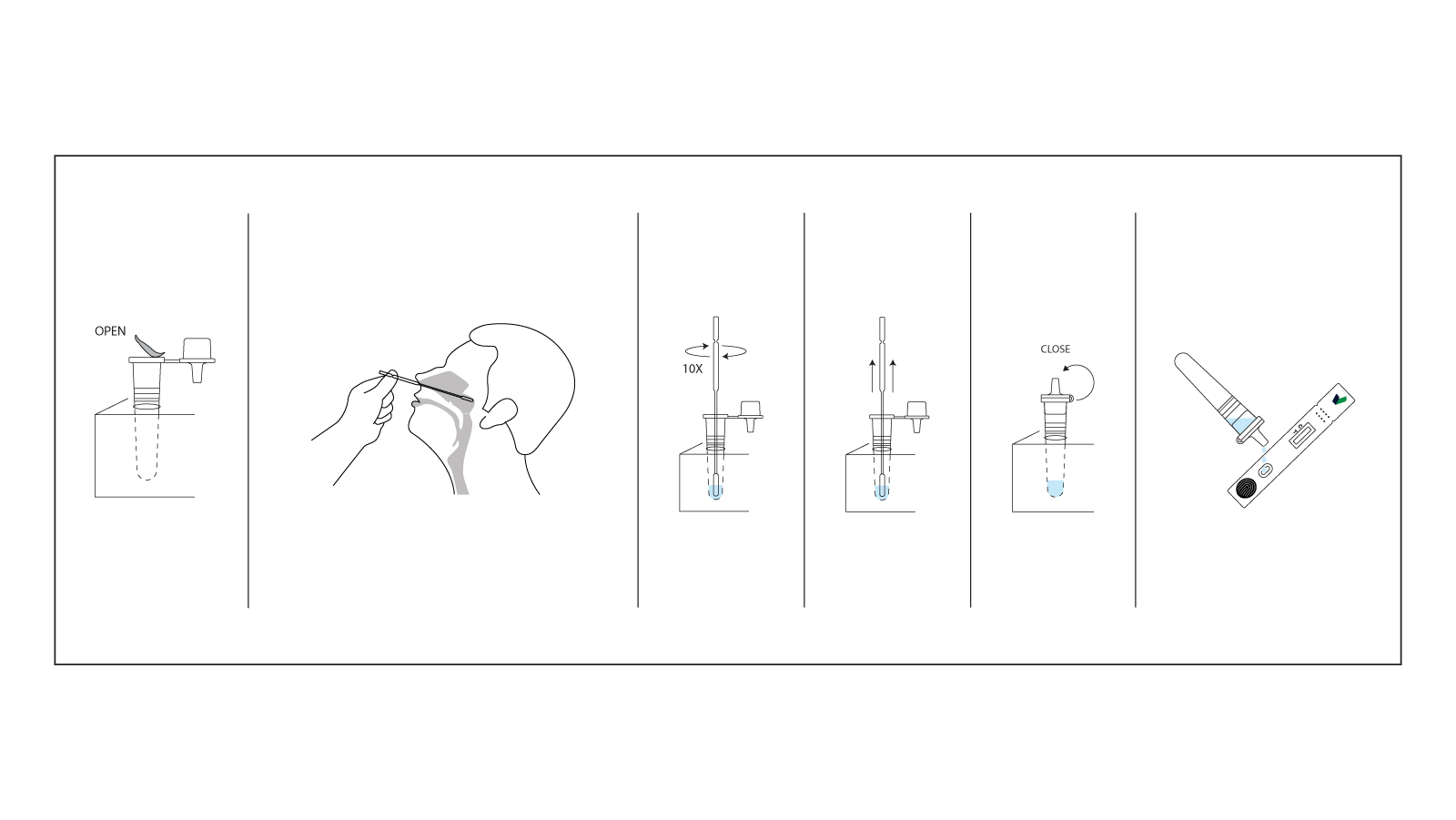
The RapidFor™ Rhinovirus Test Kit is a point-of-care antigen detection kit designed to identify rhinovirus presence quickly from respiratory samples (such as nasal or nasopharyngeal swabs). The kit allows healthcare workers to perform the test without needing high-end molecular lab equipment.
Unlike conventional viral culture (which takes days) or RT-PCR (which, while sensitive, requires lab setup), antigen tests are faster and simpler. The test can deliver results in minutes (often within 15 minutes) at or near the patient’s side (POC) allowing for clinical decision making in real time.
Advantages of Vitrosens’ Rhinovirus Kit
- Speed: Provides rapid results (vs. hours-to-days in culture or lab PCR).
- Ease of Use: Minimal training needed; no large instrumentation.
- Point-of-Care Use: May be used in outpatient clinics, small hospitals, or clinics without full molecular labs.
- Better Patient Management: Faster identification can help guide patient counseling, isolation decisions, and avoid unnecessary antibiotic use.
- Cost-Effectiveness: Reduces turnaround time and associated costs of delayed diagnosis.
- Triage Utility: In times of overlapping respiratory virus seasons, knowing whether rhinovirus is present helps narrow down differential diagnosis (e.g. distinguishing from influenza, RSV, SARS-CoV-2).
Of course, one must be aware of sensitivity / specificity limitations typical of antigen tests (false negatives or lower detection in low viral load scenarios). However, for many clinical or epidemiological settings, the trade-off of speed versus maximal sensitivity is acceptable.
Conclusion
Autumn brings with it a surge in “common colds” not because cold air itself causes illness, but because the virus, host, and environment align more favorably for transmission. Rhinoviruses, long considered mild annoyances, are now recognized for their real health burden especially in susceptible individuals.
In that context, diagnostic tools like the RapidFor Rhinovirus Test Kit can play an important role. By enabling fast, on-site detection, the kit supports timely clinical decisions, better patient management, and more informed public health surveillance.
For technical information, distributor opportunities, or evaluation kits, contact us at sales@vitrosens.com. 📩
Key References:
- Medscape. Rhinovirus (RV) Infection – Overview. (Aug 18, 2023).
- WHO. Trends of acute respiratory infection, including hMPV (Disease Outbreak News). (Jan 7, 2025).
- CDC. About Rhinoviruses. (Apr 24, 2024).
- Vitrosens Biotechnology Inc. Rhinovirus Test Kit– Instructions for Use. 2025.


