

Candida auris, a fungal pathogen labeled by the U.S. Centers for Disease Control and Prevention (CDC) as a “global threat,” has become an urgent concern for healthcare providers worldwide. As cases grow globally, healthcare systems grapple with the risk of this pathogen’s ability to cause invasive infections and its alarming resistance to antifungal treatments. Early and accurate identification is more important than ever to manage this threat effectively.
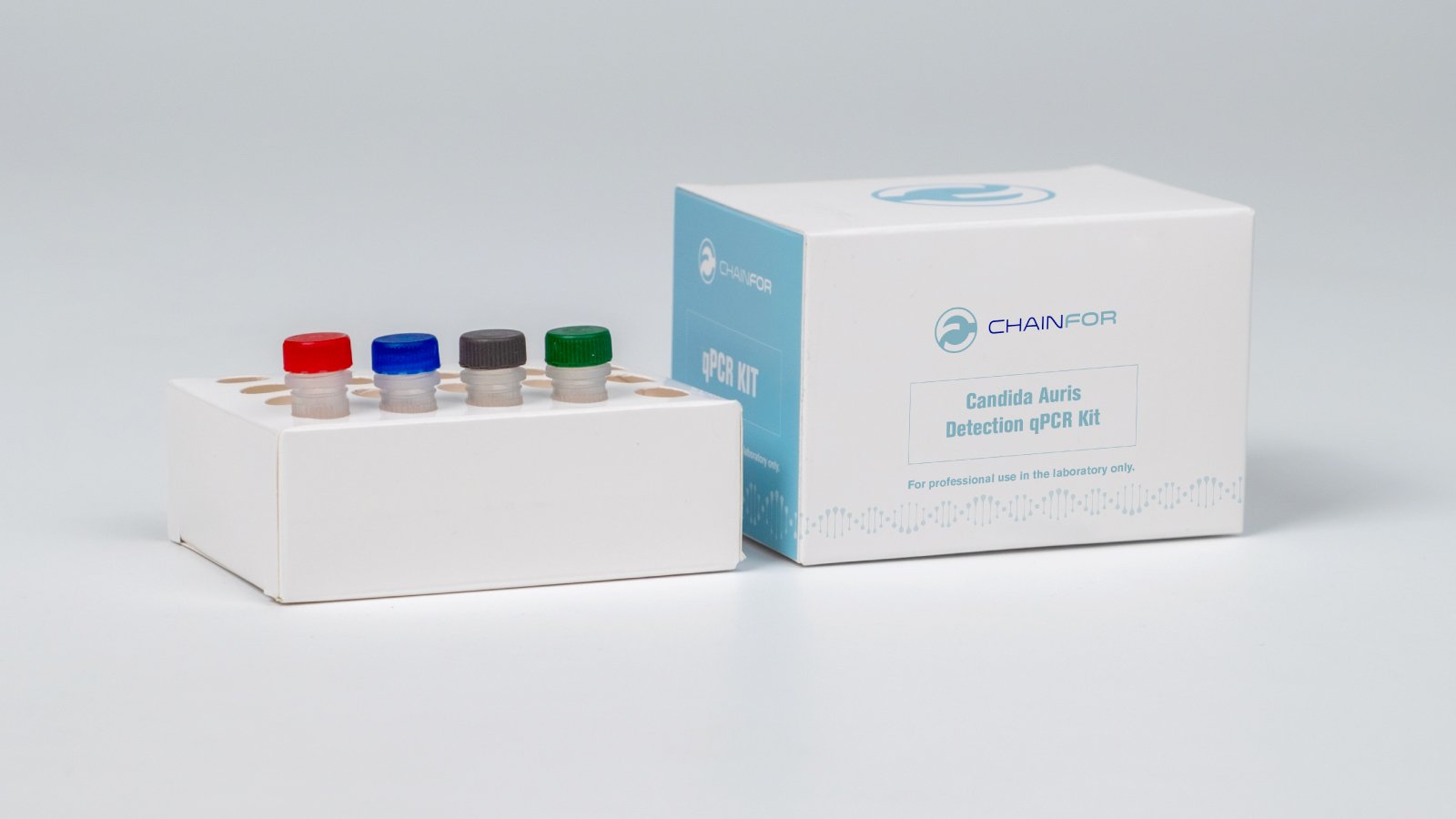
Modern diagnostic tools like the Candida Auris Detection qPCR Kit by Vitrosens offer a groundbreaking solution, allowing healthcare institutions to rapidly identify infections, improve patient management, and reduce associated costs through optimized resource utilization. Let’s discuss Candida auris, why early detection is critical, and how PCR-based solutions are transforming testing protocols.
What is Candida Auris and Why is it a Global Health Threat?
Candida auris is an emerging, multidrug-resistant yeast that has attracted global attention due to its ability to cause severe, invasive infections in healthcare settings. First identified in Japan in 2009, it has since been reported in over 40 countries. The CDC has deemed Candida auris an “urgent threat,” highlighting the pathogen’s potential to spread among vulnerable patient populations, particularly those in intensive care units or nursing homes.
Candida auris exhibits several concerning characteristics that highlight its severity as a healthcare threat. Notably, many strains demonstrate resistance to first-line antifungal treatments, complicating therapeutic strategies and making effective management more challenging. Additionally, Candida auris is environmentally resilient, capable of persisting on surfaces for weeks, which facilitates outbreaks within healthcare settings. This persistence poses significant infection control challenges. Furthermore, infections caused by Candida auris have been associated with high mortality rates, estimated between 30% and 60% among invasive cases, underscoring the urgent need for effective detection and treatment strategies to mitigate its impact on vulnerable patient populations.
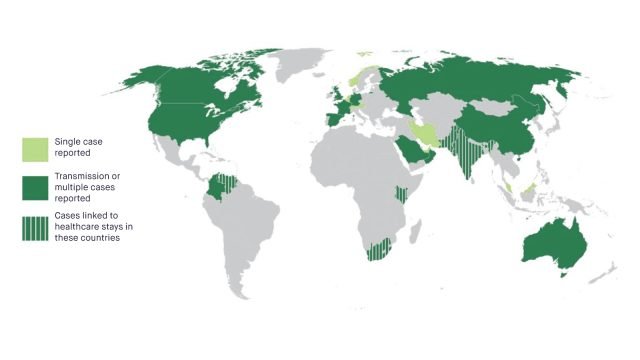
Impact of Candida Auris on Healthcare Systems
The prevalence of Candida auris infections has created ripple effects on healthcare systems globally. Its rapid spread puts hospitals at risk of outbreaks, forcing increased disinfection protocols and patient isolation requirements. Rapid and accurate detection of this pathogen is critical not only for improving patient outcomes but also for limiting transmission within healthcare facilities.
The Importance of Early Detection in Candida Auris Management
Given the challenges posed by its multidrug resistance and ability to mimic symptoms of other infections, detecting Candida auris early is crucial to preventing severe outcomes. Traditional methods like culture tests are time-consuming and can delay treatment and containment measures, often leading to increased healthcare costs and risks of outbreaks.
How PCR-based Detection Revolutionizes Candida Auris Screening
Polymerase chain reaction (PCR) testing, particularly with advanced products like the Candida Auris Detection qPCR Kit by Vitrosens, has revolutionized fungal diagnostics. Unlike conventional culture-based tests, PCR methods deliver results in a matter of hours rather than days, significantly enhancing the speed of diagnosis. Additionally, these methods offer high sensitivity and specificity for detecting Candida auris DNA, even at low fungal loads, ensuring accurate identification. This efficiency minimizes the occurrence of false negatives, which are often seen in culture-based testing. As a result, this innovation empowers clinicians to make informed decisions more quickly, aligning with infection prevention strategies that emphasize timely patient isolation and appropriate antifungal administration.
Benefits of Rapid Detection Using the Candida Auris Detection qPCR Kit:
- Prevents Spread: Quickly identifies infected patients, reducing their chances of transmitting the pathogen.
- Improves Precision: Differentiates Candida auris from other Candida species for targeted interventions.
- Supports Outbreak Control: Enables real-time surveillance in healthcare settings, aiding infection control teams during outbreaks.
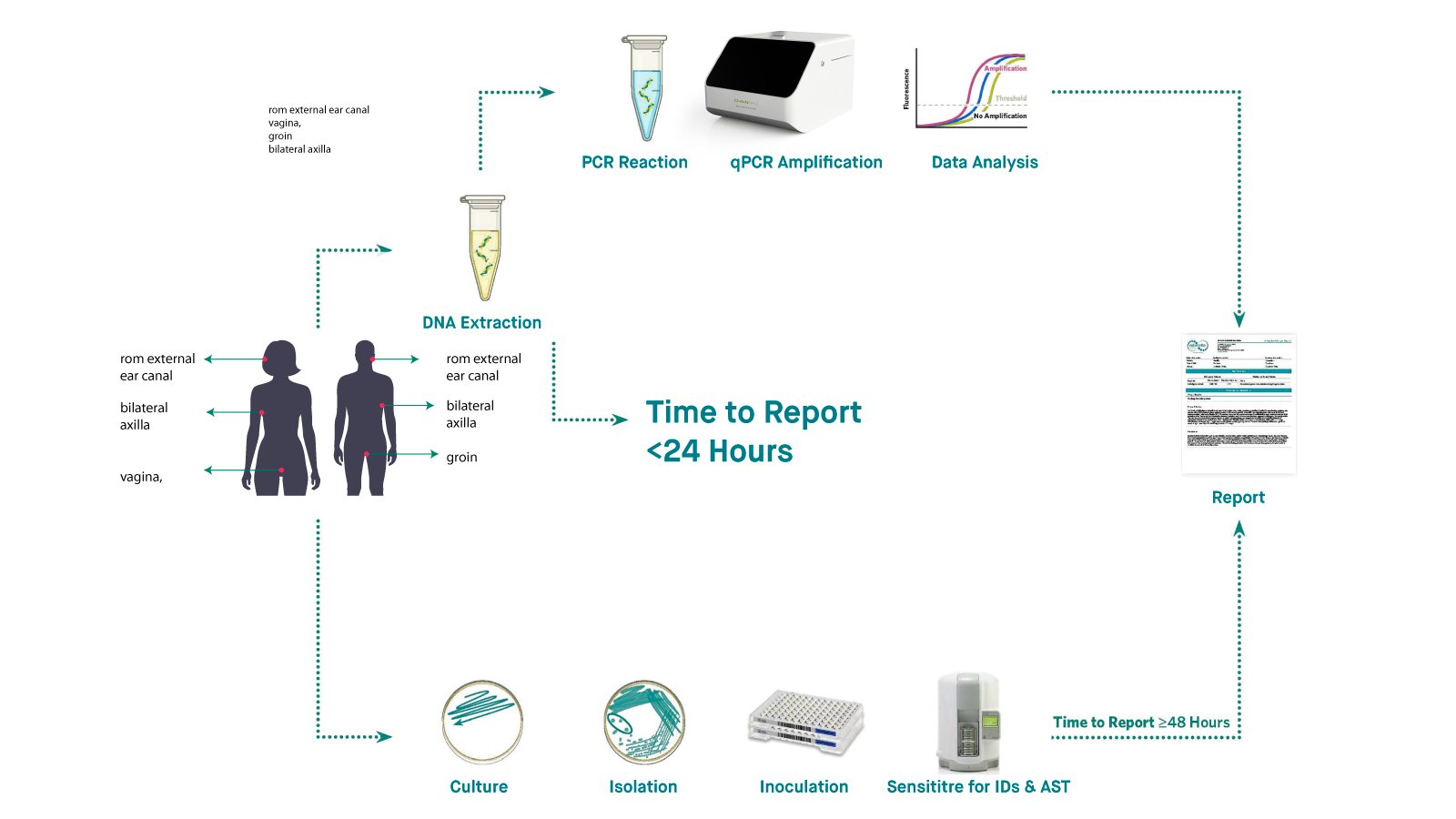
How PCR Screening Saves Costs and Improves Patient Outcomes
The high economic burden associated with Candida auris outbreaks includes costs from patient isolation, additional cleaning, prolonged hospital stays, and antifungal therapy. Early detection using PCR-based solutions like the Candida Auris Detection qPCR Kit is a cost-effective alternative that saves healthcare resources while protecting patient outcomes.
In healthcare facilities managing Candida auris, delayed identification can result in significant costs and complications. Extended hospital stays for undiagnosed infections lead to increased healthcare expenses, while the risks of transmission escalate, necessitating costly outbreak containment measures. Additionally, the inefficiency of prescribing antifungal medications for cases that are not caused by Candida auris can further strain resources. Collectively, these challenges highlight the financial and logistical implications of delayed detection, underscoring the importance of rapid identification methods in mitigating the impact of this serious fungal pathogen.
Rapid PCR screening offers substantial benefits for hospitals in the management of Candida auris infections. By facilitating quicker identification of the pathogen, hospitals can significantly reduce the reliance on broad-spectrum antifungals, resulting in considerable savings on drug costs. Early detection also allows for better allocation of healthcare resources, as patients with confirmed infections can be isolated promptly, minimizing the risk of further transmission. Furthermore, with more accurate and timely diagnostics, infection management protocols can become more targeted, ultimately leading to a reduction in overall treatment expenses. This holistic approach not only improves resource management but also enhances patient outcomes.
Improving Patient Outcomes Through Early Management
Beyond cost savings, early detection plays a direct role in improving clinical outcomes. Rapid identification enables physicians to:
- Mitigate disease severity through immediate treatment with antifungal drugs.
- Prevent unnecessary delays in isolation, safeguarding vulnerable patients.
- Reduce mortality rates associated with invasive Candida auris infections.
As Candida auris continues to pose a significant threat to global health, healthcare providers need innovative tools to combat its spread. Diagnostic advancements like the Candida Auris Detection qPCR Kit by Vitrosens offer unparalleled advantages in early detection, reducing costs, and improving patient outcomes. By incorporating PCR screening into routine protocols, healthcare facilities can take proactive steps in managing this urgent threat effectively.
References
- Center for Disease Control and Prevention: Candida auris—Global Threat. Accessed on December 2024. [Link](https://www.cdc.gov/fungal/candida-auris/index.html)
- WHO Fungal Priority Pathogens List: Emergent Health Threats. Accessed on December 2024. [Link](https://www.who.int/publications-detail/fungal-disease-priority-pathogens)
- Clinical Mycology Journal: Impact of Multidrug-Resistant Candida auris on Patient Outcomes. 2023.
- Infection Control & Hospital Epidemiology: Economic Burden of C. auris in Healthcare Settings, 2022.


