

As temperatures drop and cozy scarves return, familiar sniffles and coughs also make a comeback. But among the usual suspects of seasonal illness, one virus in particular is gaining renewed attention: Respiratory Syncytial Virus (RSV).
Why is RSV testing suddenly becoming essential this winter? The answer lies in RSV’s surge in clinical relevance, its overlapping symptoms with flu and COVID-19, and the growing need for rapid, accurate diagnostics.
Introduction: Why RSV Stands Out Among Respiratory Viruses This Winter
Across Europe, the respiratory virus season is now in full swing. Laboratories and healthcare providers are seeing rising demand for rapid, decentralized diagnostics. Among the respiratory threats, Respiratory Syncytial Virus (RSV) stands out due to its disproportionate impact on infants, elderly adults, and people with chronic conditions. Although commonly perceived as a “childhood virus,” RSV causes serious disease burden across age groups and care settings.

According to ECDC surveillance data, RSV circulation has started early in the 2025 season, particularly in western and northern Europe. As the virus overlaps with seasonal influenza and SARS-CoV-2, early detection has become a clinical and logistical priority across the continent.
Market & Clinical Insight: RSV Trends and Diagnostic Urgency
RSV is a leading cause of lower respiratory tract infections (LRTIs), bronchiolitis, and viral pneumonia. In pediatric populations, especially children under 1 year of age, RSV is the primary driver of hospitalization for respiratory illness. In elderly populations, RSV contributes to excess mortality, often exacerbating pre-existing conditions like COPD or congestive heart failure.
The seasonality of RSV is well-documented, but the clinical overlap with influenza, COVID-19, adenovirus, and bacterial pneumonia creates diagnostic ambiguity. Rapid identification is vital not just for clinical management, but also for infection control and outbreak suppression in pediatric units, elder care homes, and hospital wards.
RSV in Different Populations: From Infants to Older Adults
RSV in Newborns and Infants
RSV is the most common cause of bronchiolitis and pneumonia in infants. Because their airways are narrower and immune responses are still developing, infants—especially those under 6 months—are more susceptible to severe complications such as:
- Wheezing and hypoxia
- Dehydration from poor feeding
- Apnea (in very young or premature babies)
Hospitalization rates for RSV are highest in this age group, particularly during peak season. For clinicians, rapid RSV testing enables timely treatment decisions, reassures caregivers, and helps manage hospital bed resources.

RSV in Older Adults
Adults over the age of 65, particularly those with underlying conditions like chronic heart or lung disease, face increased risks from RSV:
- Exacerbation of COPD or asthma
- Secondary bacterial infections
- Increased hospitalization duration and mortality
Symptoms in older adults can mimic influenza or bacterial pneumonia, making differential diagnosis crucial. Point-of-care RSV testing enables early isolation and targeted care—reducing the chances of nosocomial spread within long-term care facilities.
Co-Infection Scenarios: RSV + Other Pathogens
During the respiratory season, co-infections involving RSV and other viruses like influenza, SARS-CoV-2, or adenovirus are not uncommon. In these cases, disease severity may increase, and clinical progression may become unpredictable.
Rapid RSV tests, when used alongside other respiratory panels, help clinicians:
- Determine which pathogen is dominant
- Decide whether to escalate care or monitor
- Avoid unnecessary antiviral or antibiotic use
Understanding the synergistic impact of RSV co-infections is critical, especially in pediatric, geriatric, and immunocompromised groups.
RSV Testing Protocols in Different Countries
Different countries have adopted tailored RSV testing protocols based on population needs, healthcare infrastructure, and policy priorities.
Europe
- Germany and France: Use rapid RSV tests routinely in pediatric ERs and NICUs during winter.
- UK and Spain: Integrate RSV testing with broader respiratory virus surveillance, often through point-of-care panels.
MENA Region
- RSV testing adoption is increasing in primary care centers, especially in urban hubs.
- Ministries of health are investing in decentralized diagnostics as part of respiratory disease preparedness frameworks.
These regional strategies demonstrate how RapidFor RSV Test Kits fit seamlessly into varying clinical pathways while offering consistent speed and simplicity.
Why Rapid RSV Testing Is Crucial Across Care Settings
The growing adoption of decentralized care and pharmacy-based testing highlights the urgent need for rapid RSV diagnostics. Here is why rapid RSV testing is valuable across multiple care environments:
1. Pharmacies & Walk-In Clinics:
- Pharmacies across Europe are now part of the front line of respiratory diagnostics.
- Rapid RSV testing allows pharmacists and clinicians to triage cold-like symptoms, giving faster reassurance or referral.
- Especially useful for pediatric screening, where early isolation can prevent intra-family spread.
2. Laboratories:
- Labs benefit from pre-screening workflows using antigen tests, enabling smarter allocation of molecular testing capacity.
- Avoids RT-PCR overuse for clearly RSV-positive patients.
3. Primary Care Networks and Mobile Health Units:
- Point-of-care RSV testing supports fast triage in community health centers and mobile units.
- Ideal for managing patient flow during peak respiratory seasons.
Vitrosens’ Solution: RapidFor RSV Antigen Test Kit
Vitrosens offers a CE-marked, point-of-care optimized rapid antigen test for RSV under its RapidFor product family.
The RapidFor RSV Antigen Test Kit is a lateral flow immunoassay that detects RSV antigens from nasal or nasopharyngeal swab samples. It delivers accurate results within 15 minutes without requiring lab infrastructure.
Key Features and Benefits:
- Fast results: 15 minutes from swab to decision
- CE-IVD certified: Suitable for use across Europe
- Simple workflow: No equipment needed, minimal training required
- Ideal for POC: Pediatricians, family doctors, care homes, pharmacy testing
- Cost-effective: Reduces burden on molecular labs, improves test resource planning
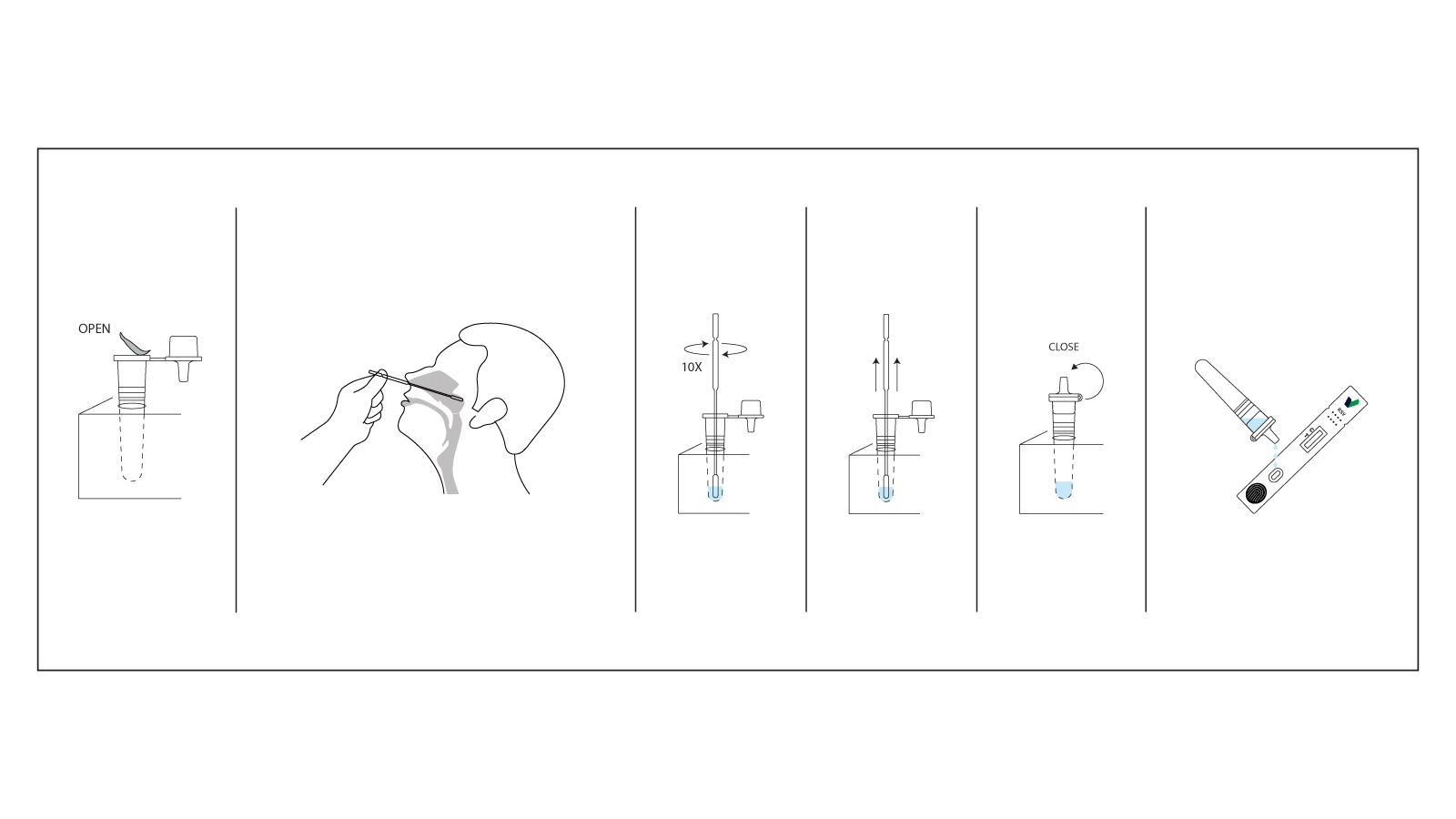
Compared to PCR, the RapidFor RSV Test is better suited for first-line triage during outbreaks or surges. When paired with other respiratory tests (e.g., Influenza A/B or SARS-CoV-2), it supports differential diagnosis and public health data capture.
Clinical Impact: How Rapid RSV Testing Changes Care
Without a definitive test, RSV symptoms can be confused with:
- Influenza A/B
- SARS-CoV-2
- Rhinovirus
- Adenovirus
- Bacterial pneumonia
Misdiagnosis may lead to unnecessary antibiotic prescriptions, delayed infection control measures, and overcrowded emergency units.
With rapid RSV diagnosis:
- Pediatricians can quickly determine whether a baby’s respiratory distress is RSV-related
- Elder care facilities can isolate infected residents before broader outbreaks occur
- ER physicians can reduce overuse of antibiotics and reserve PCRs for ambiguous or co-infected patients
Conclusion
Autumn brings with it a surge in “common colds” not because cold air itself causes illness, but because the virus, host, and environment align more favorably for transmission. RSV, long considered a seasonal pediatric nuisance, is now recognized for its serious health burden in both pediatric and elderly populations.
In that context, diagnostic tools like the RapidFor RSV Antigen Test Kit can play an essential role. By enabling fast, on-site detection, the kit supports timely clinical decisions, better patient management, and more informed public health surveillance.
For technical information, distributor opportunities, or evaluation kits, contact us at sales@vitrosens.com. 📩
References
- Surveillance Atlas of Infectious Diseases – RSV Reports (2024–2025)
- RSV Surveillance and Global Burden Reports (2023)
- RSV in Infants and Older Adults. (2024)
- Guidelines on POCT respiratory diagnostics in community settings
- Vitrosens Biotechnology. RapidFor RSV Antigen Test Instructions for Use. (2025)


