

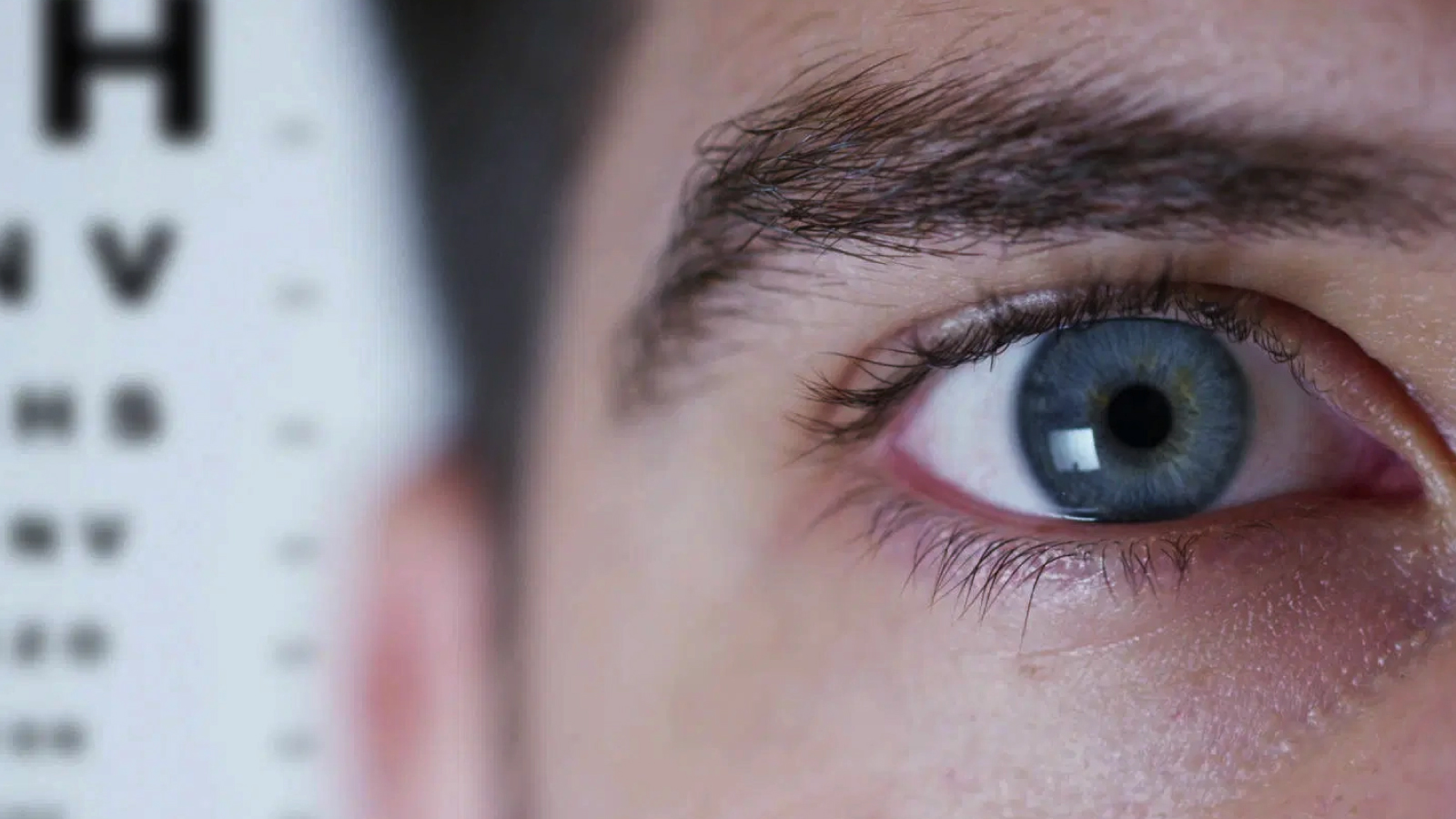
Every year, the second Thursday of October marks World Sight Day, a global call to make eye care accessible, available, and affordable for everyone. This year’s message invites all of us to Love Your Eyes and act for equitable eye health services. For clinical laboratories and women’s health providers, preventing congenital causes of vision loss is a high-impact way to honor this day. Toxoplasma prevention and accurate serologic testing stand out as essential steps.
Why Toxoplasma Matters for Eye Health
Congenital toxoplasmosis can cause lifelong ocular damage, most notably chorioretinitis that threatens central vision. Less frequent but important findings include strabismus and other neuro-ocular sequelae. Preventing primary infection during pregnancy and identifying recent maternal exposure early are critical to protect infant eyes.
Using a rapid, differential IgG/IgM test supports two goals that matter for vision preservation: verifying prior exposure status in preconception or prenatal care and helping triage suspected recent infection alongside appropriate clinical algorithms. Pairing prevention with timely testing is a practical way to honor World Sight Day.
The Science of Serology
Toxoplasma serology supports two distinct clinical questions in reproductive and prenatal care.
- Immunity assessment – IgG: Detecting Toxoplasma-specific IgG helps document prior exposure. According to the kit summary, IgG and IgM become detectable about 2–3 weeks after exposure and IgG may remain positive while declining over time.
- Acute infection evaluation – IgM with context: Toxoplasma-specific IgM suggests a recent or ongoing immune response, but timing matters and interpretation must consider clinical context and local guidance. The kit is intended as an aid to diagnosis rather than a stand-alone basis for clinical decisions.
Introducing the Toxo IgG/IgM Test Kit by Vitrosens
The RapidFor Toxo IgG/IgM Test Kit is a lateral flow chromatographic immunoassay for the qualitative detection of IgG and IgM antibodies to Toxoplasma gondii in human whole blood, serum, or plasma. It provides an aid in the diagnosis of T. gondii infection and is for professional use only.

Key advantages include:
-
- Works with serum, plasma, or whole blood
- Rapid, easy-to-use cassette format with clear visual interpretation
- Useful for differentiating prior exposure patterns (IgG) from potential recent response patterns (IgM) when interpreted with clinical context and follow-up as needed
Supporting World Sight Day
Preventing congenital toxoplasmosis is an eye-health intervention with lifelong impact. By minimizing exposure risk during pregnancy and applying timely, evidence-based serology, healthcare teams help avert chorioretinitis and other vision-threatening outcomes in newborns. On World Sight Day, strengthening toxoplasmosis screening pathways is a practical way to protect vision for the next generation.

Conclusion
Protecting sight begins before birth. With appropriate use of IgG to document prior exposure, careful context-aware interpretation of IgM, and follow-up testing where indicated, laboratories and clinicians can reduce the burden of preventable childhood vision loss linked to congenital toxoplasmosis. The RapidFor Toxo IgG/IgM Test Kit is designed to support these workflows with speed and simplicity in professional settings.
For technical information, distributor opportunities, or evaluation kits, contact us at sales@vitrosens.com. 📩
Protect tomorrow’s vision today by minimizing maternal exposure risk, detecting Toxoplasma early, and helping everyone, everywhere #LoveYourEyesWithVitrosens
Key References:
- International Agency for the Prevention of Blindness. World Sight Day – Love Your Eyes. Accessed October 9, 2025.
- CDC. Serology Testing for Rubella – guidance on IgG for immunity and appropriate use of IgM. Updated June 10, 2024.
- WHO. Rubella vaccines: position paper, July 2020 – global prevention and control context.
- Vitrosens Biotechnology Inc. Toxo IgG/IgM Test Kit– Instructions for Use. 2024.


