

Thyroid disorders affect millions of people worldwide and represent one of the most common endocrine conditions encountered in clinical practice. Hyperthyroidism and hypothyroidism are prevalent conditions with potentially devastating health consequences that impact all populations globally. The RapidFor TSH/T3/T4 Combo Fluorescence Immunoassay (FIA) Test Kit offers a revolutionary diagnostic solution for healthcare professionals, enabling the simultaneous detection of three critical thyroid markers in a single, rapid test. This blog explores the clinical significance of thyroid function testing, the importance of measuring TSH, T3, and T4 together, and how this innovative diagnostic tool empowers clinicians to deliver timely, accurate care.
Understanding the Thyroid-Pituitary Axis: The Foundation of Thyroid Function
The thyroid gland, a small butterfly-shaped organ located at the base of the throat, plays an essential role in regulating metabolism, energy production, growth, neuronal development, and reproduction. The thyroid produces two primary hormones: triiodothyronine (T3) and tetraiodothyronine (T4, also known as thyroxine). These hormones work together to control how the body uses energy, affecting weight, heart rate, body temperature, muscle strength, and even mood.
The production and regulation of thyroid hormones involve a sophisticated feedback loop known as the hypothalamic-pituitary-thyroid axis. The hypothalamus releases thyroid-releasing hormone (TRH), which stimulates the anterior pituitary gland to secrete thyroid-stimulating hormone (TSH). TSH then prompts the thyroid gland to produce and release T4 and T3. When thyroid hormone levels rise sufficiently, they exert negative feedback on the anterior pituitary and hypothalamus, reducing TSH production. This delicate balance maintains thyroid hormone levels within a narrow optimal range essential for health.
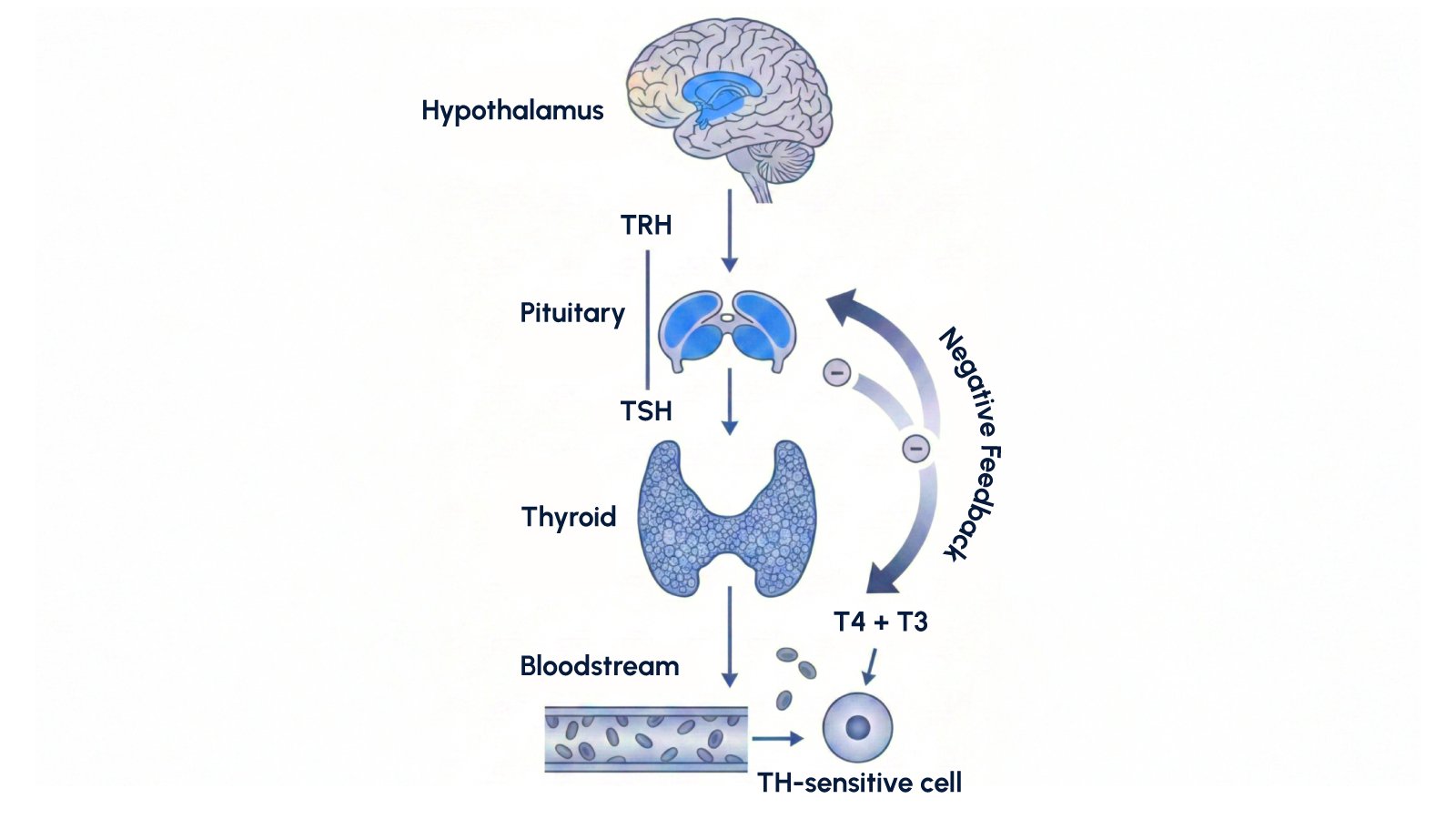
TSH: The Sensitive Early Warning System
Thyroid-stimulating hormone serves as the first-line screening test for the majority of patients with suspected thyroid problems. TSH is remarkably sensitive to changes in thyroid function because of the amplified relationship between serum thyroid hormone levels and TSH release. For a two-fold change in serum T4, the serum TSH will change up to 100-fold in the reverse direction. This means TSH becomes recognizably abnormal long before the serum concentrations of T4 or T3 fall outside the population-based reference interval.
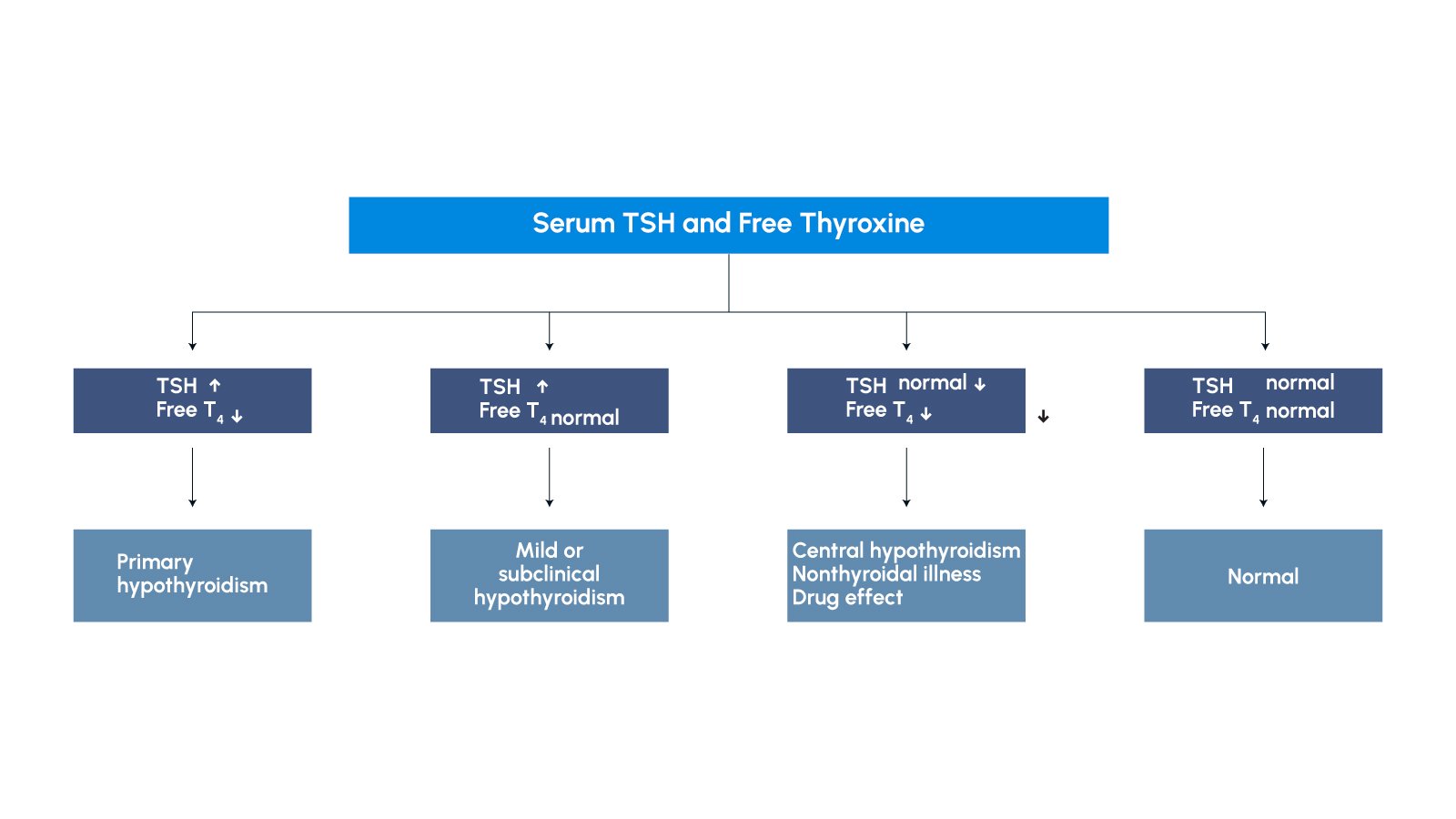
In primary hypothyroidism, the thyroid gland produces insufficient amounts of T3 and T4, leading to loss of negative feedback inhibition and markedly increased production of TSH from the anterior pituitary. Conversely, in primary hyperthyroidism, the thyroid produces excessive amounts of thyroid hormones, which suppress TSH secretion through negative feedback. The finding of an elevated TSH with low T4 indicates primary hypothyroidism due to disease in the thyroid gland itself, while a low TSH with elevated T4 is characteristic of hyperthyroidism.
T4: The Primary Thyroid Hormone
Thyroxine (T4) represents approximately 80-90% of the thyroid hormone secreted by the thyroid gland. T4 contains four iodine atoms and serves primarily as a prohormone, meaning it is largely inactive until converted to T3. The majority of circulating T4 is bound to specific transport proteins, particularly thyroxine-binding globulin. Only the small fraction of “free T4” is biologically active and able to enter tissues to exert metabolic effects.
Total T4 measurements can be affected by changes in binding protein levels, which frequently occur during pregnancy, with oral contraceptive use, or in certain medical conditions. This is why free T4 measurements more accurately reflect thyroid gland function, as they measure only the unbound, metabolically active portion of the hormone. When measured alongside TSH, free T4 provides critical diagnostic information for differentiating between primary thyroid disease and secondary thyroid dysfunction originating from pituitary or hypothalamic disorders.
T3: The Biologically Active Thyroid Hormone
Triiodothyronine (T3) is the biologically active form of thyroid hormone that directly influences cellular metabolism. Although T3 represents only about 10-20% of thyroid hormone secreted by the thyroid gland, it is three to four times more potent than T4. The majority of T3 in the body comes from peripheral conversion of T4 to T3 through the action of deiodinase enzymes, primarily in the liver and kidneys.
T3 stimulates mitochondrial function and biogenesis, enhances gluconeogenesis, facilitates glucose transport into cells, and alters the expression of thousands of genes. This wide-ranging influence makes optimal T3 levels essential for every aspect of human development, health, and vitality, including cardiovascular function, cognitive performance, and metabolic regulation.
T3 testing is particularly valuable in diagnosing hyperthyroidism, as T3 levels are typically elevated in hyperthyroid patients. In some cases of hyperthyroidism, T3 may be elevated while T4 remains normal, a condition known as T3 toxicosis. Additionally, T3 measurements help determine the severity of hyperthyroidism and can be useful in monitoring treatment response.
The Global Burden of Thyroid Disease: A Public Health Imperative
Thyroid disorders represent a significant global health burden affecting all populations worldwide. Recent epidemiological data reveals that hyperthyroidism and hypothyroidism are among the most common endocrine diseases globally. Prevalence varies considerably by region, with factors such as iodine nutrition, genetic susceptibility, age, and environmental influences playing major roles.
In the United States, approximately 4.6% of individuals have hypothyroidism, with over 12% of the population expected to develop a thyroid condition during their lifetime. India reports higher prevalence rates of approximately 10.95%, partly attributed to historical iodine deficiency. Africa exhibits the highest regional prevalence at 14.2%, while Asia has the lowest at 5.8%. Thyroid dysfunction disproportionately affects women, who are five to eight times more likely than men to develop thyroid disorders.
The consequences of undiagnosed or inadequately treated thyroid disease extend far beyond laboratory abnormalities. Hypothyroidism can lead to fatigue, weight gain, depression, cardiovascular complications, and in pregnancy, adverse outcomes including miscarriage and developmental delays in offspring. Hyperthyroidism can cause cardiac arrhythmias, osteoporosis, weight loss, anxiety, and in severe cases, thyroid storm, a life-threatening medical emergency.
Why Measure TSH, T3, and T4 Together: The Comprehensive Diagnostic Approach
While TSH alone serves as an effective screening test, measuring TSH, T3, and T4 together provides a comprehensive assessment of thyroid function that enables more accurate diagnosis and better clinical decision-making. This multi-marker approach offers several critical advantages:
Enhanced Diagnostic Accuracy: Different thyroid conditions produce distinct patterns of TSH, T3, and T4 abnormalities. Measuring all three markers together allows clinicians to distinguish between primary thyroid disease, secondary (pituitary or hypothalamic) dysfunction, subclinical thyroid disorders, and various forms of hyperthyroidism including T3 toxicosis.
Early Detection of Subclinical Disease: Subclinical thyroid dysfunction, characterized by abnormal TSH with normal T3 and T4 levels, affects up to 10% of women over fifty. Identifying these early-stage conditions enables timely intervention, potentially preventing progression to overt thyroid disease and associated complications.
Differentiation of Disease Etiology: The pattern of TSH and thyroid hormone abnormalities helps differentiate the underlying cause of thyroid dysfunction. For example, high TSH with low T4 indicates primary hypothyroidism, while low TSH with low T4 suggests secondary hypothyroidism due to pituitary or hypothalamic dysfunction.
Treatment Monitoring: For patients receiving thyroid hormone replacement or antithyroid medications, measuring all three markers provides comprehensive feedback on treatment effectiveness and helps guide dose adjustments to achieve optimal thyroid hormone levels.
Identification of Complex Cases: Some patients present with discordant thyroid function test results due to medications, non-thyroidal illness, or thyroid hormone resistance. Comprehensive testing with all three markers helps identify these complex cases that might be missed with TSH screening alone.
The RapidFor TSH/T3/T4 Combo FIA Test Kit: Advanced Diagnostic Technology
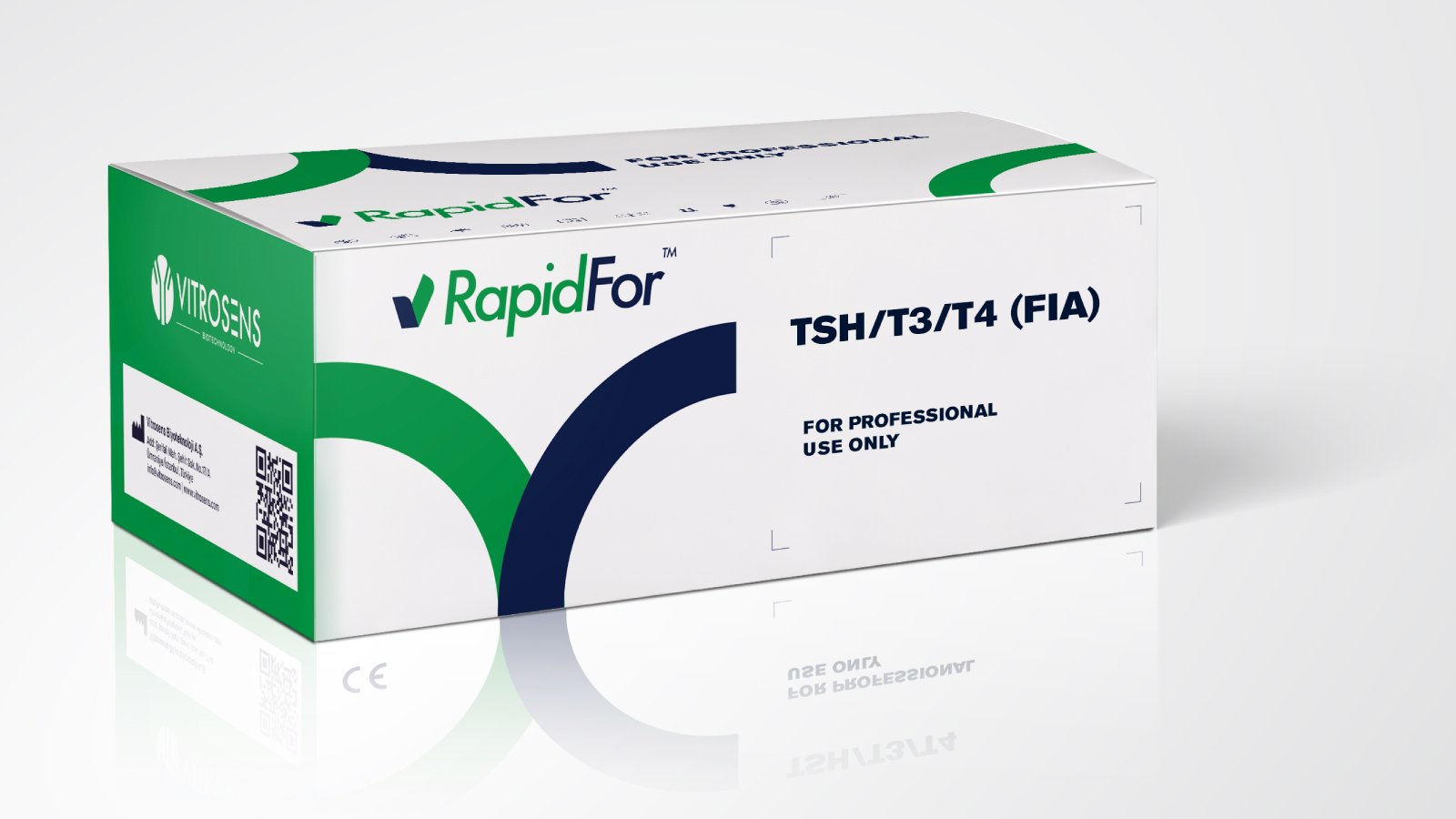
The Vitrosens RapidFor TSH/T3/T4 Combo Fluorescence Immunoassay Test Kit addresses the diagnostic gap in thyroid function testing by providing a rapid, accurate, and comprehensive solution for simultaneous measurement of all three critical thyroid markers. This innovative test kit leverages fluorescence immunoassay technology to deliver laboratory-quality results in a point-of-care format.
Fluorescence immunoassay technology combines the high specificity of immunological reactions with the exceptional sensitivity of fluorescence detection. The test uses fluorophore-labeled antibodies that bind specifically to TSH, T3, and T4 in patient samples. When excited by light at specific wavelengths, these fluorophores emit detectable fluorescent signals proportional to the concentration of each thyroid marker. This advanced detection method provides sensitivity comparable to traditional laboratory methods while enabling rapid turnaround times suitable for point-of-care testing.
Key Features and Benefits:
- Comprehensive Multi-Marker Testing: Simultaneously measures TSH, T3, and T4 in a single test, eliminating the need for multiple separate assays and providing complete thyroid function assessment
- Rapid Results: Delivers accurate results fast, enabling same-visit diagnosis and treatment decisions that improve patient outcomes and satisfaction
- High Analytical Sensitivity: Fluorescence-based detection provides excellent sensitivity for detecting subtle thyroid dysfunction, including subclinical disease states
- Clinical Accuracy: Demonstrates excellent correlation with reference laboratory methods, ensuring reliable results that physicians can trust for clinical decision-making
- User-Friendly Design: Simple, straightforward procedure requiring minimal training, making it accessible for diverse healthcare settings including primary care clinics and rural health facilities
- Cost-Effectiveness: Reduces healthcare costs by consolidating three tests into one, minimizing laboratory fees, and enabling early intervention that prevents complications
- Small Sample Volume: Requires only a small blood sample, improving patient comfort and making it suitable for pediatric and geriatric populations
Transforming Thyroid Care and Public Health
The RapidFor TSH/T3/T4 Combo FIA Test Kit has significant implications that extend beyond individual patient care, offering substantial benefits for public health and healthcare systems:
- Enhanced Disease Surveillance: Widespread availability of rapid, comprehensive thyroid testing enables better epidemiological monitoring of thyroid disease prevalence and trends, informing public health interventions and resource allocation
- Improved Access to Diagnosis: Point-of-care testing brings thyroid diagnostics to underserved populations in rural and resource-limited settings where access to centralized laboratory facilities is limited, reducing health disparities
- Early Intervention: Rapid diagnosis enables immediate treatment initiation for patients with overt thyroid dysfunction, preventing disease progression and reducing the risk of serious complications such as myxedema coma or thyroid storm
- Pregnancy Screening: Thyroid dysfunction during pregnancy poses serious risks to both mother and fetus. Rapid, comprehensive testing facilitates universal screening programs and ensures prompt treatment to optimize pregnancy outcomes
- Reduced Healthcare Costs: Early detection and treatment of thyroid disorders prevents expensive complications and reduces hospitalizations, emergency department visits, and long-term healthcare expenditures
- Patient Empowerment: Same-visit results improve patient engagement and adherence to treatment by eliminating the waiting period and anxiety associated with delayed diagnosis
The availability of rapid, accurate, comprehensive thyroid function testing represents a significant advance in endocrine diagnostics. By enabling healthcare providers to assess the complete thyroid-pituitary axis in a single, rapid test, the RapidFor system supports better clinical decisions, improved patient outcomes, and more efficient healthcare delivery.
Conclusion
Thyroid disorders represent a significant global health burden affecting millions of individuals worldwide, yet many cases remain undiagnosed or inadequately managed due to limitations in diagnostic accessibility. The RapidFor TSH/T3/T4 Combo FIA Test Kit addresses this critical healthcare gap by providing a comprehensive, rapid, and accurate solution for thyroid function assessment.
By simultaneously measuring TSH, T3, and T4 in a single test, this innovative diagnostic tool enables healthcare providers to accurately diagnose thyroid dysfunction, distinguish between different disease etiologies, identify subclinical conditions, and monitor treatment effectiveness. The combination of fluorescence immunoassay technology, rapid turnaround time, and point-of-care accessibility makes comprehensive thyroid testing practical in diverse clinical settings, from tertiary care centers to rural health clinics.
In an era of increasingly complex healthcare challenges, the RapidFor TSH/T3/T4 Combo FIA Test Kit empowers clinicians with the diagnostic information they need to deliver timely, evidence-based care while supporting broader public health goals of early detection, improved access, and better outcomes for patients with thyroid disease.
Ready to enhance your thyroid diagnostic capabilities? Contact Vitrosens today to learn more about the RapidFor™ TSH/T3/T4 Combo FIA Test Kit and discover how our comprehensive thyroid testing solution can improve patient care in your clinical setting. For product information, pricing, and technical support, reach out to our team at sales@vitrosens.com.
References
- American Thyroid Association. “Thyroid Function Tests.” https://www.thyroid.org/thyroid-function-tests/
- Taylor PN, Albrecht D, Scholz A, et al. “Global epidemiology of hyperthyroidism and hypothyroidism.” Nature Reviews Endocrinology. 2018;14(5):301-316.
- Pirahanchi Y, Toro F, Jialal I. “Physiology, Thyroid Stimulating Hormone.” StatPearls Publishing; 2023.
- Spencer CA, Hollowell JG, Kazarosyan M, Braverman LE. “National Health and Nutrition Examination Survey III thyroid-stimulating hormone (TSH)-thyroperoxidase antibody relationships demonstrate that TSH upper reference limits may be skewed by occult thyroid dysfunction.” Journal of Clinical Endocrinology & Metabolism. 2007;92(11):4236-4240.
- Jonklaas J, Bianco AC, Bauer AJ, et al. “Guidelines for the treatment of hypothyroidism: prepared by the American Thyroid Association task force on thyroid hormone replacement.” Thyroid. 2014;24(12):1670-1751.
- World Health Organization. “Assessment of iodine deficiency disorders and monitoring their elimination: a guide for programme managers.” 3rd edition. Geneva: WHO; 2007.
- Unnikrishnan AG, Kalra S, Sahay RK, et al. “Prevalence of hypothyroidism in adults: An epidemiological study in eight cities of India.” Indian Journal of Endocrinology and Metabolism. 2013;17(4):647-652.
- Ross DS, Burch HB, Cooper DS, et al. “2016 American Thyroid Association Guidelines for Diagnosis and Management of Hyperthyroidism and Other Causes of Thyrotoxicosis.” Thyroid. 2016;26(10):1343-1421.


