

Antimicrobial resistance (AMR) occurs when microorganisms such as bacteria, parasites, viruses, and fungi adapt and develop mechanisms to withstand medications designed to treat infections. This resistance is often a result of genetic mutations in the pathogens, which can affect various biochemical pathways, rendering traditional treatments ineffective. The Centers for Disease Control and Prevention (CDC) estimates that at least 2.8 million antibiotic-resistant infections occur each year in the United States alone, leading to over 35,000 deaths.
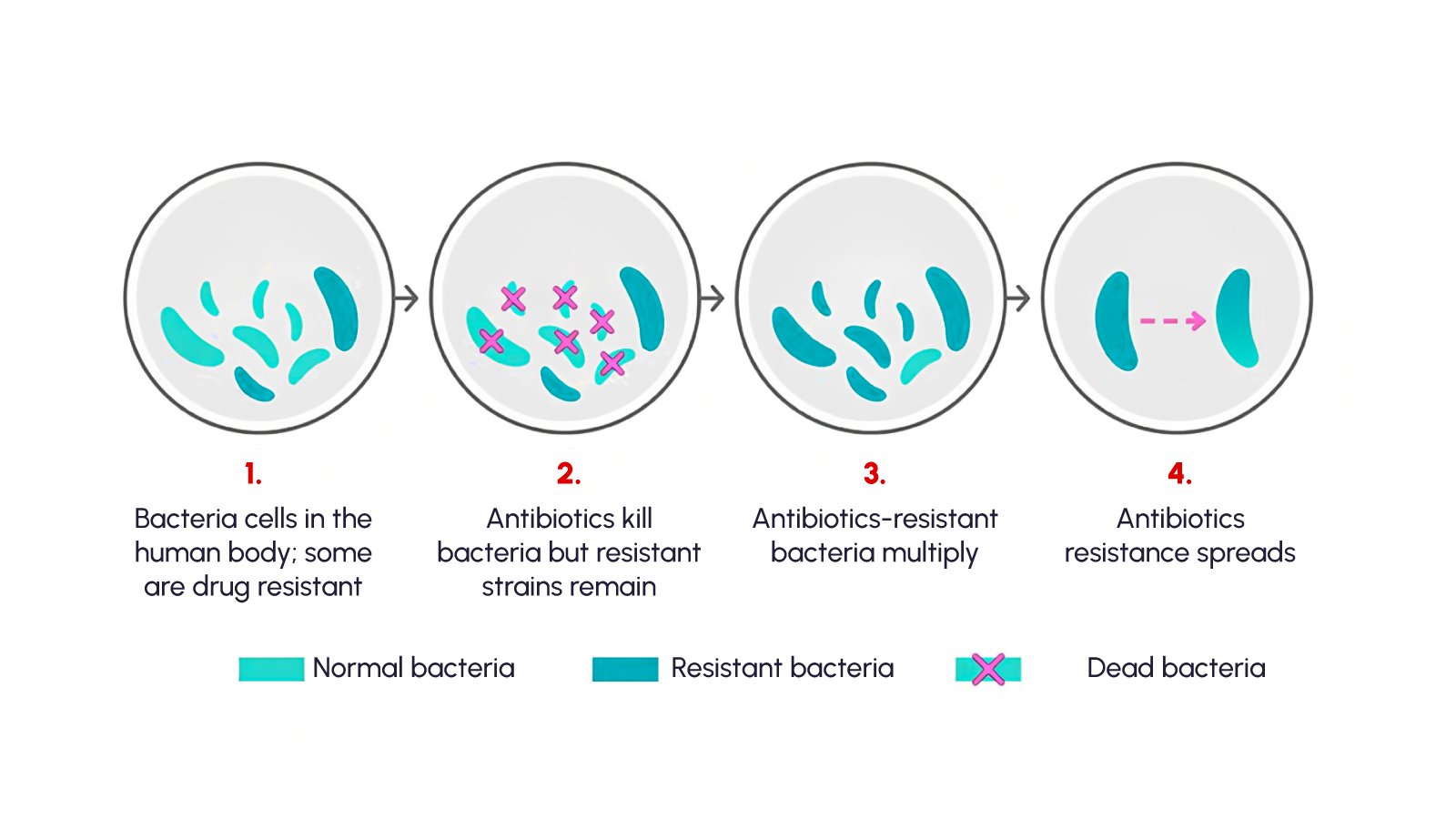
The mechanism behind resistance develops primarily due to the overuse and misuse of antibiotics in both humans and animals, coupled with poor infection prevention and control measures. When antibiotics are used excessively, or when patients do not complete their prescribed courses, it creates selective pressure that encourages resistant strains to thrive. Some common resistant pathogens include Methicillin-resistant Staphylococcus aureus (MRSA), Extended-spectrum beta-lactamase (ESBL)-producing Enterobacteriaceae, and Carbapenem-resistant Enterobacteriaceae (CRE).
Importance of Addressing Antimicrobial Resistance
The significance of addressing antimicrobial resistance cannot be overstated. According to the World Health Organization (WHO), AMR is one of the top ten global health threats affecting humanity today. The WHO reports that antibiotic resistance causes 700,000 deaths annually worldwide, a number that could rise to 10 million by 2050 if no actions are taken.
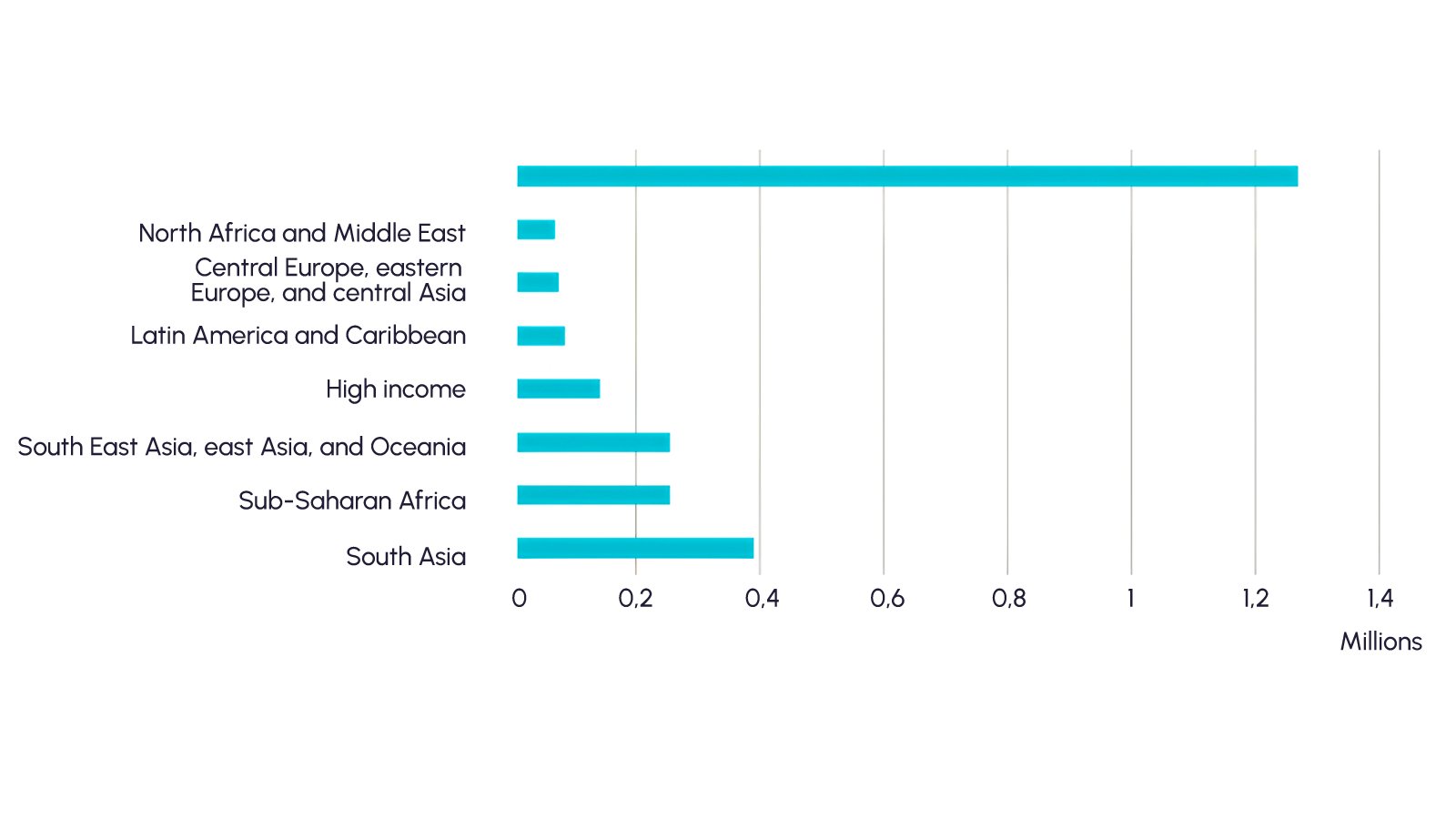
The consequences of inaction against antimicrobial resistance extend beyond individual health, affecting global health systems as a whole. Omitting to address AMR can lead to increased mortality rates due to previously treatable infections, resulting in prolonged illnesses, longer hospital stays, and the need for more expensive and intensive treatments. In some cases, common procedures, such as surgeries and cancer treatments, become riskier due to the possibility of infections that cannot be effectively treated.
Moreover, the threat of antimicrobial resistance has significant implications for food security. In agriculture, the overuse of antibiotics in livestock to promote growth and prevent disease contributes to the emergence of resistant strains that can transfer to humans through the food chain.
Efforts in Combating Antimicrobial Resistance
In response to the growing concern over antimicrobial resistance, a diverse array of international efforts is being mobilized. Countries, organizations, and healthcare systems are collaboratively developing comprehensive guidelines and action plans to effectively address this critical issue.
In the fight against antimicrobial resistance, rapid diagnostic test kits are proving to be invaluable. These tools provide quick and accurate identification of infections, which is essential for guiding appropriate treatment strategies and mitigating the unnecessary use of antibiotics.
ABR ID-12 Detection qPCR Kit
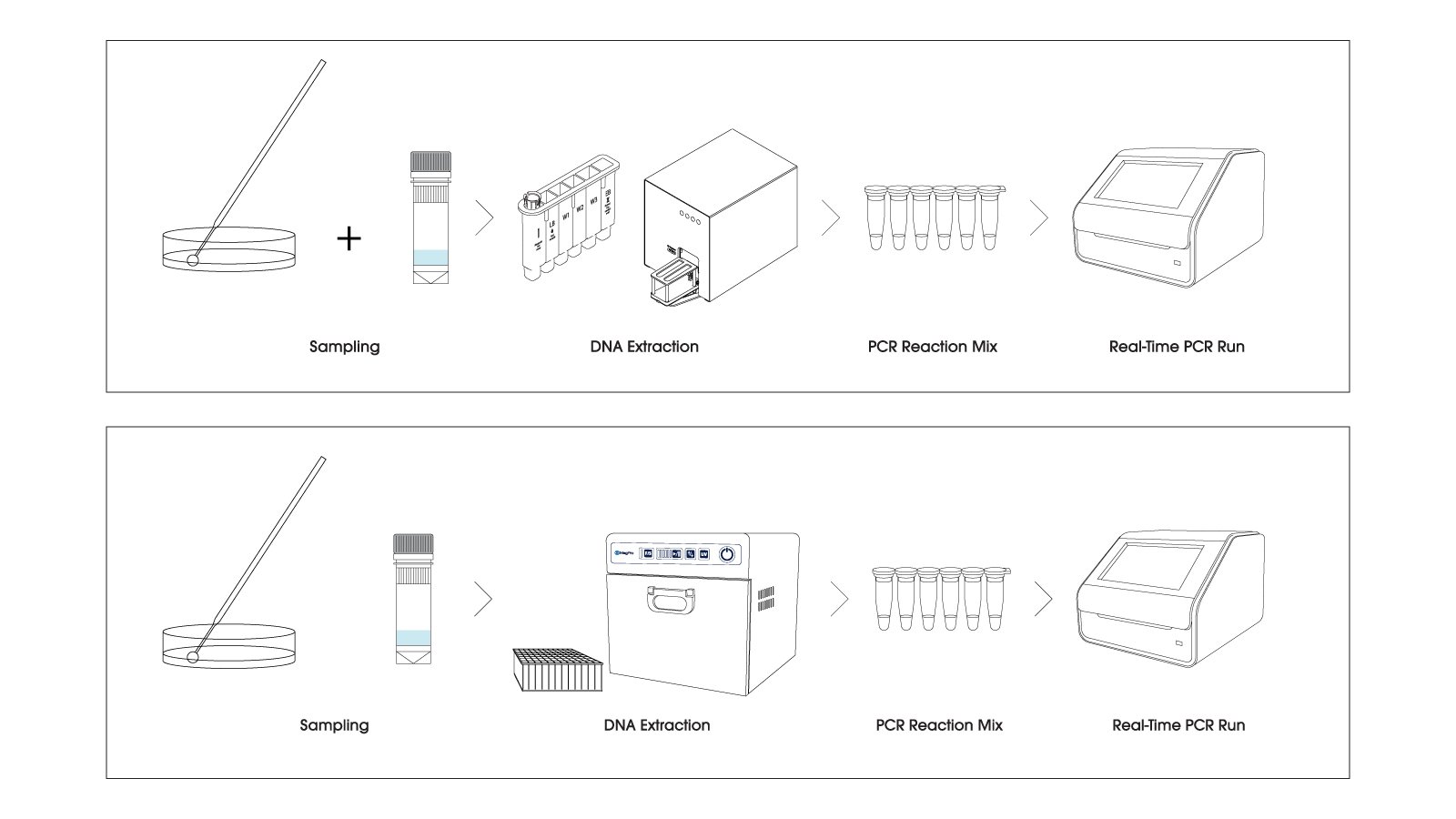
The ABR ID-12 Detection qPCR Kit stands out due to its ability to detect multiple antibiotic resistance genes from a single patient sample. Utilizing quantitative polymerase chain reaction (qPCR) technology, this kit enables swift identification of resistant pathogens, thereby assisting healthcare providers in making informed decisions regarding antibiotic therapies. The rapid results provided by the ABR ID-12 help prevent the misuse of antibiotics, ultimately contributing to better patient outcomes and reduced resistance development.
Specifically, the ABR ID-12 Detection Kit targets critical resistance genes, including CTX-M (extended-spectrum beta-lactamase), KPC (Klebsiella pneumoniae carbapenemase), IMP (carbapenem resistance), sul (sulfonamide resistance), dfrA (trimethoprim resistance), vanB and vanA (vancomycin resistance), NDM (New Delhi metallo-beta-lactamase), qnr (quinolone resistance), OXA-48 (carbapenemase), VIM (carbapenemase), and mecA/mecC (methicillin resistance).
By identifying these genes promptly, healthcare systems can tailor antibiotic treatments effectively and prevent the spread of severe infections associated with these resistant strains. The kit is particularly crucial in settings such as hospitals, where the timely diagnosis of resistant pathogens can limit the spread of infections.
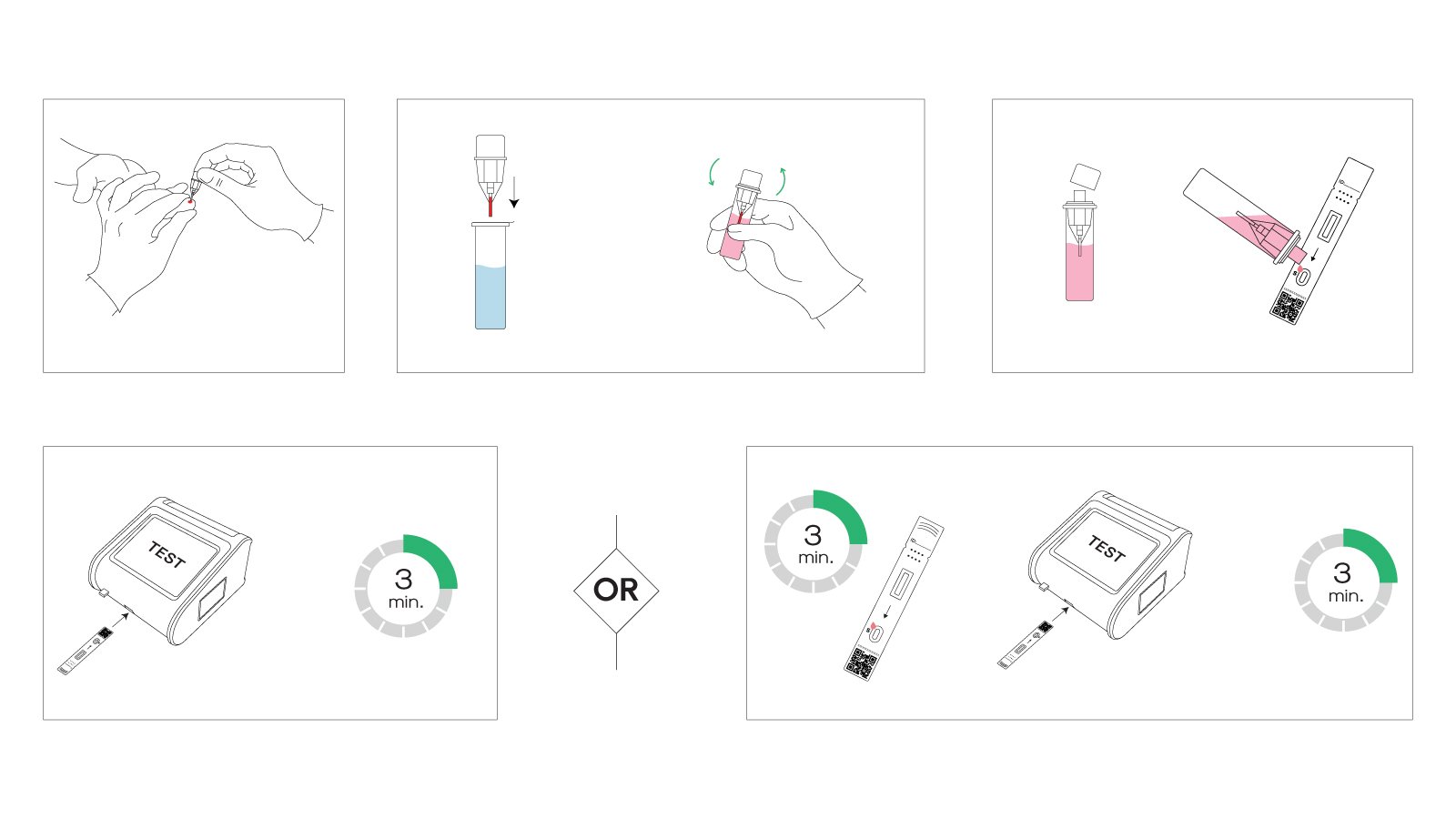
hsCRP&CRP Rapid Test Kit (FIA)
The hsCRP&CRP (C-reactive protein) Rapid Test Kit plays a vital role in differentiating between bacterial and viral infections. By measuring the levels of CRP in the blood, which increases during inflammation or infection, this kit allows healthcare practitioners to evaluate whether antibiotic treatment is appropriate.
Quick results facilitate prompt clinical decisions, reducing unnecessary antibiotic prescriptions and helping to preserve the effectiveness of existing antibiotics. An example of this kit’s efficacy can be seen during flu seasons when respiratory infections are prevalent. By accurately diagnosing the nature of the infection, healthcare providers can manage patient care more effectively and reduce the overall antibiotic burden.
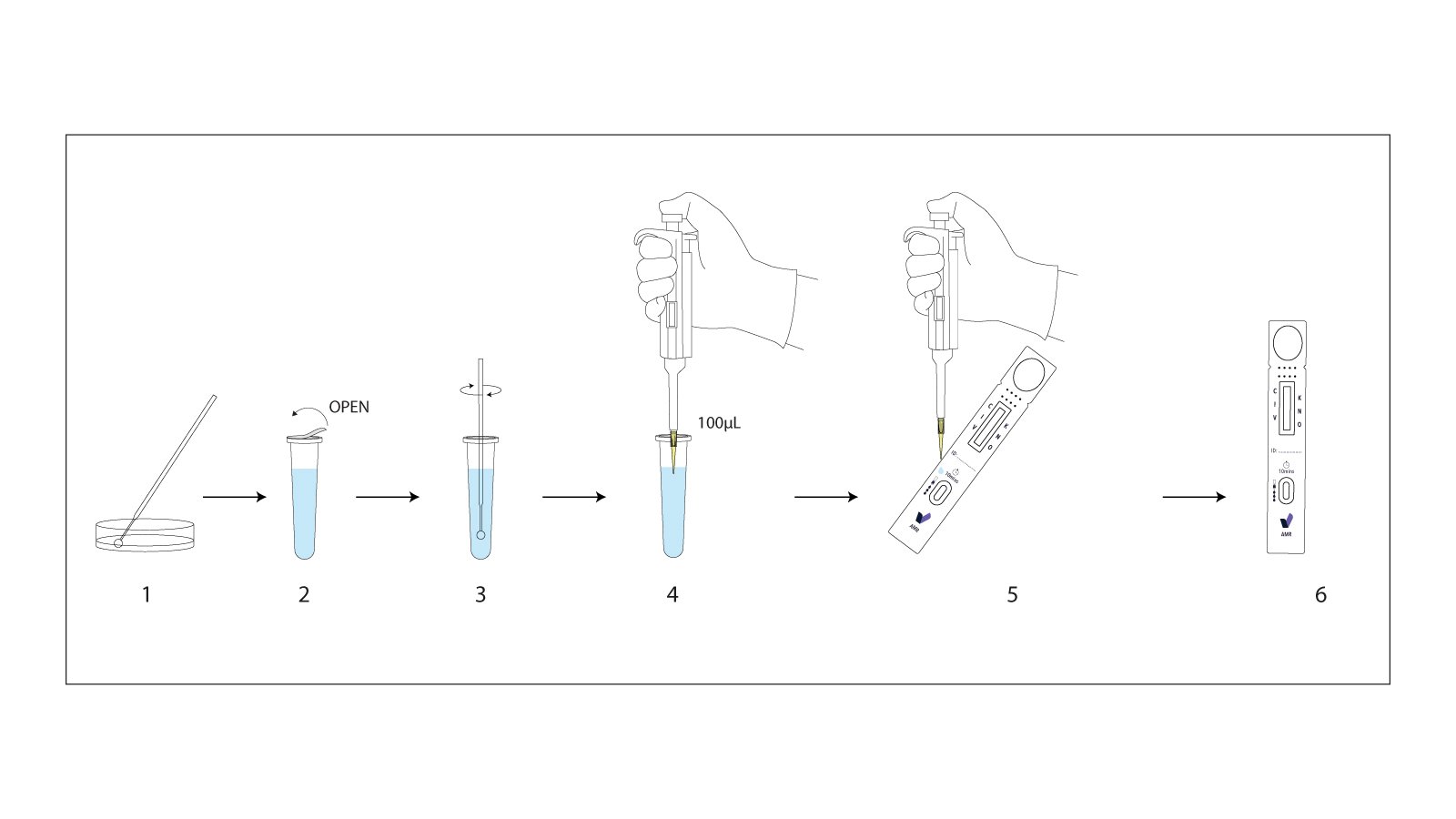
AMR Multiline Kit
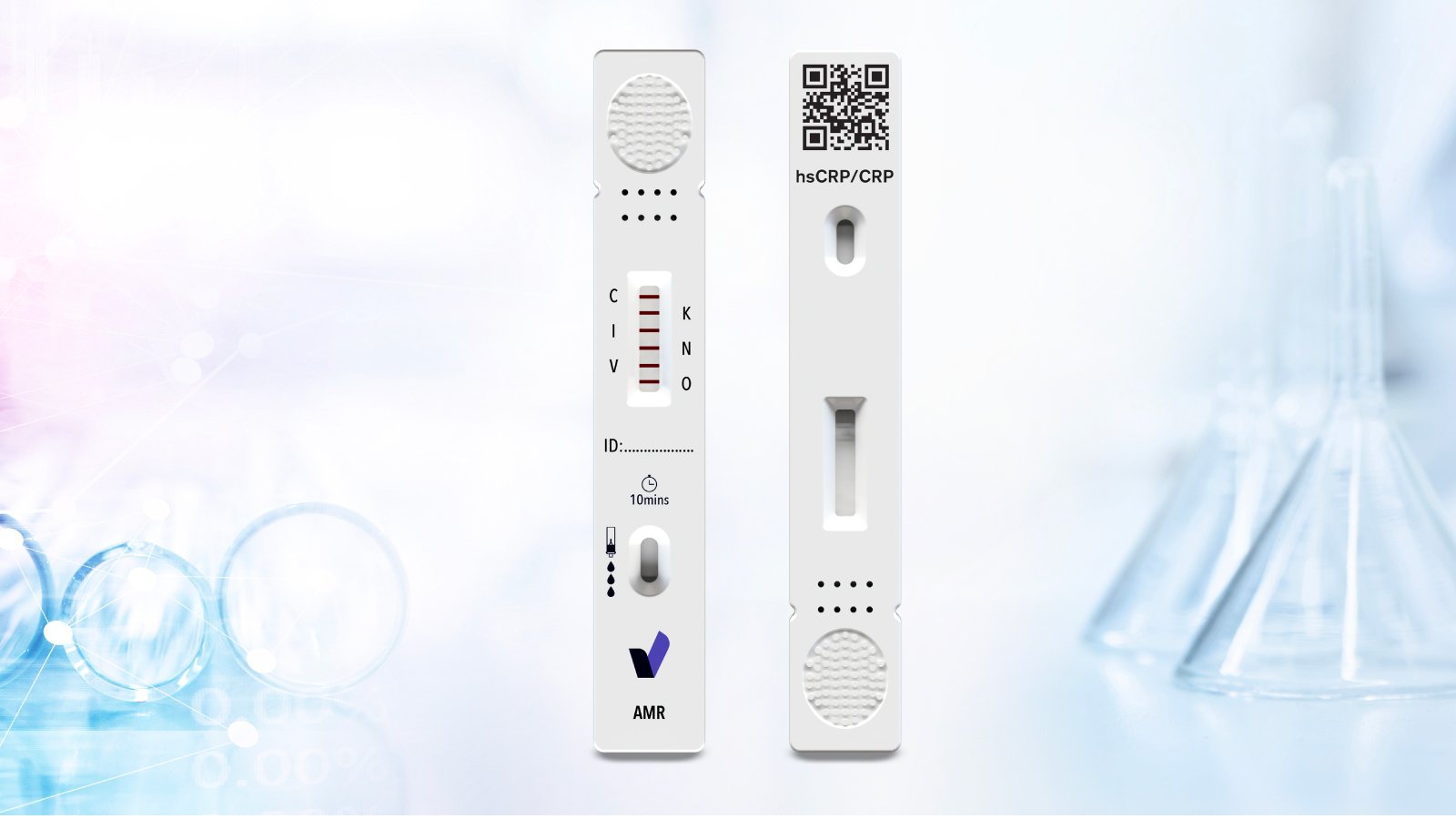
The AMR Multiline Kit by Vitrosens offers comprehensive testing capabilities, identifying a wide range of antimicrobial resistances with a single test. This efficient tool supports clinicians in understanding the resistance profiles of infectious bacteria, which is critical for targeted treatment approaches.
What sets the AMR Multiline Kit apart is its ability to test for multiple resistance mechanisms in one assay, making it a time-efficient solution for clinical labs. By streamlining the diagnostic process and providing timely information, the AMR Multiline Kit enhances patient management, facilitates better antibiotic stewardship, and supports the global effort to tackle antimicrobial resistance.
Future Directions and Innovations
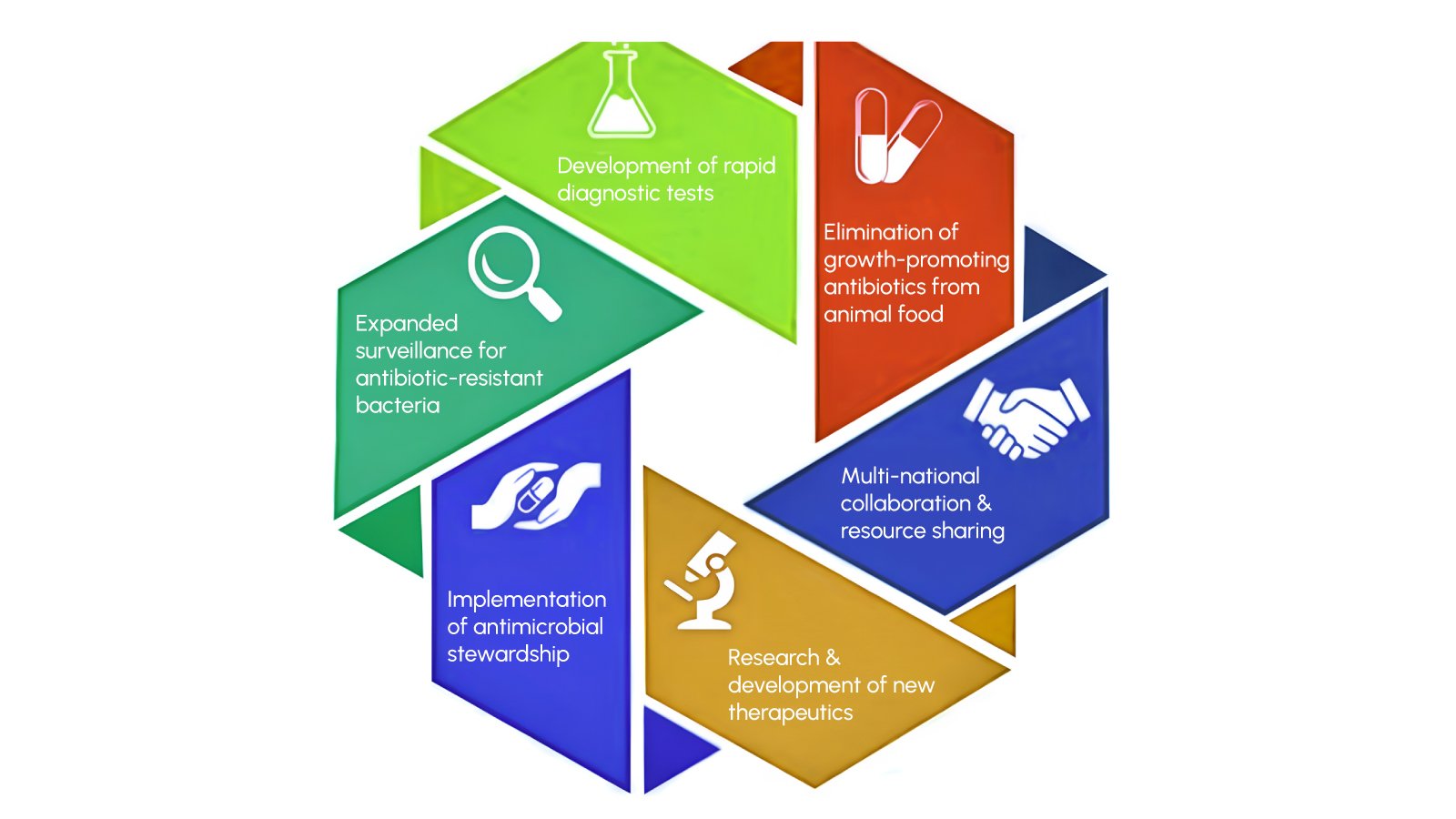
As antimicrobial resistance continues to challenge healthcare systems worldwide, ongoing innovation and research are critical. The future of combatting this crisis will likely involve advanced technologies, enhanced diagnostic tools, and collaborative strategies.
Key focus areas for future developments include leveraging artificial intelligence and data analytics to predict resistance patterns and treatment outcomes. Moreover, the potential for whole-genome sequencing to provide detailed insights into resistance mechanisms is becoming increasingly viable. Researchers are also exploring the development of phage therapy as a novel alternative to antibiotics, using bacteriophages to target and kill resistant bacteria effectively.
Strengthening healthcare systems globally to ensure that providers are equipped with the necessary resources and knowledge will enhance the capacity to manage antimicrobial resistance effectively. Recommendations in this regard include developing comprehensive training programs for healthcare workers, enhancing laboratory capabilities for rapid diagnostics, and promoting adherence to infection prevention protocols.
Through these innovative approaches, the global community can better tackle the challenge of Antimicrobial Resistance while ensuring the efficacy of antimicrobial therapies for future generations.
In conclusion, antimicrobial resistance is a pressing global health challenge requiring immediate and coordinated action. By understanding its implications and utilizing advanced diagnostic tools such as the ABR ID-12 Detection qPCR Kit, hsCRP&CRP Rapid Test Kit, and AMR Multiline Kit by Vitrosens, we can make significant strides in managing this crisis. Continuous efforts in awareness, prevention, and treatment advancements will be essential to safeguarding public health against the rising tide of resistance.
As we move forward, fostering international collaboration and investing in research will be paramount in overcoming the challenges posed by antimicrobial resistance. The next generation of diagnostics and treatments will play a crucial role in protecting public health and ensuring the effectiveness of antimicrobial therapies for years to come.
References
- World Health Organization. “Antimicrobial Resistance.” WHO, 2023.
- Centers for Disease Control and Prevention. “Antibiotic / Antimicrobial Resistance.” CDC.gov.
- Ventola, C. Lee. “The Antibiotic Resistance Crisis: Part 1: Causes and Threats.” P&T. 2015.
- WHO. “Global Action Plan on Antimicrobial Resistance.” WHO, 2015.


