

In primary care, respiratory infections are among the most common reasons for patient visits. Fever, sore throat, cough, nasal congestion, and fatigue are often managed empirically, especially during peak respiratory seasons. While influenza, RSV, and SARS-CoV-2 receive most diagnostic attention, adenovirus frequently remains outside routine testing algorithms, despite its high prevalence and clinical relevance.
This oversight can lead to repeated consultations, unnecessary antibiotic prescriptions, delayed infection control measures, and uncertainty for both clinicians and caregivers. Rapid, pathogen-specific testing is essential to prevent adenovirus from becoming a diagnostic blind spot.
Understanding Adenovirus as a Respiratory Pathogen
Adenoviruses are double-stranded DNA viruses capable of causing infections across multiple organ systems. In respiratory disease, they are associated with:
- Upper respiratory tract infections
- Pharyngitis and tonsillitis
- Bronchiolitis and pneumonia
- Respiratory illness accompanied by conjunctivitis
Adenovirus infections are particularly common in children, school-age populations, and communal settings, but they can also cause severe disease in elderly and immunocompromised patients.
Unlike some seasonal respiratory viruses, adenoviruses can circulate year-round and are known for prolonged viral shedding, increasing the risk of transmission even after symptoms improve.
Why Adenovirus Matters in Primary Care Settings
Primary care physicians are uniquely positioned at the frontline of adenovirus detection. However, adenovirus symptoms often overlap with:
- Bacterial pharyngitis
- Influenza-like illness
- Other viral upper respiratory infections
This overlap creates several challenges:
- Difficulty differentiating viral from bacterial causes
- Increased likelihood of precautionary antibiotic prescribing
- Missed opportunities for targeted patient counseling
- Limited infection control guidance for families and schools
Without rapid diagnostics, adenovirus is often labeled as a nonspecific viral illness and remains undocumented.
The Clinical Value of Rapid Adenovirus Antigen Testing
Rapid antigen testing provides actionable results during the patient visit, allowing clinicians to make confident decisions without waiting for laboratory confirmation.
Key Clinical Benefits:
- Confirms adenovirus as the causative pathogen
- Supports immediate exclusion of bacterial infection
- Reduces unnecessary antibiotic use
- Improves patient and caregiver communication
- Enables early isolation guidance in high-risk environments
In primary care, where time and resources are limited, speed and simplicity are critical.
RapidFor™ Adenovirus Rapid Test Kit: Built for Point-of-Care Use
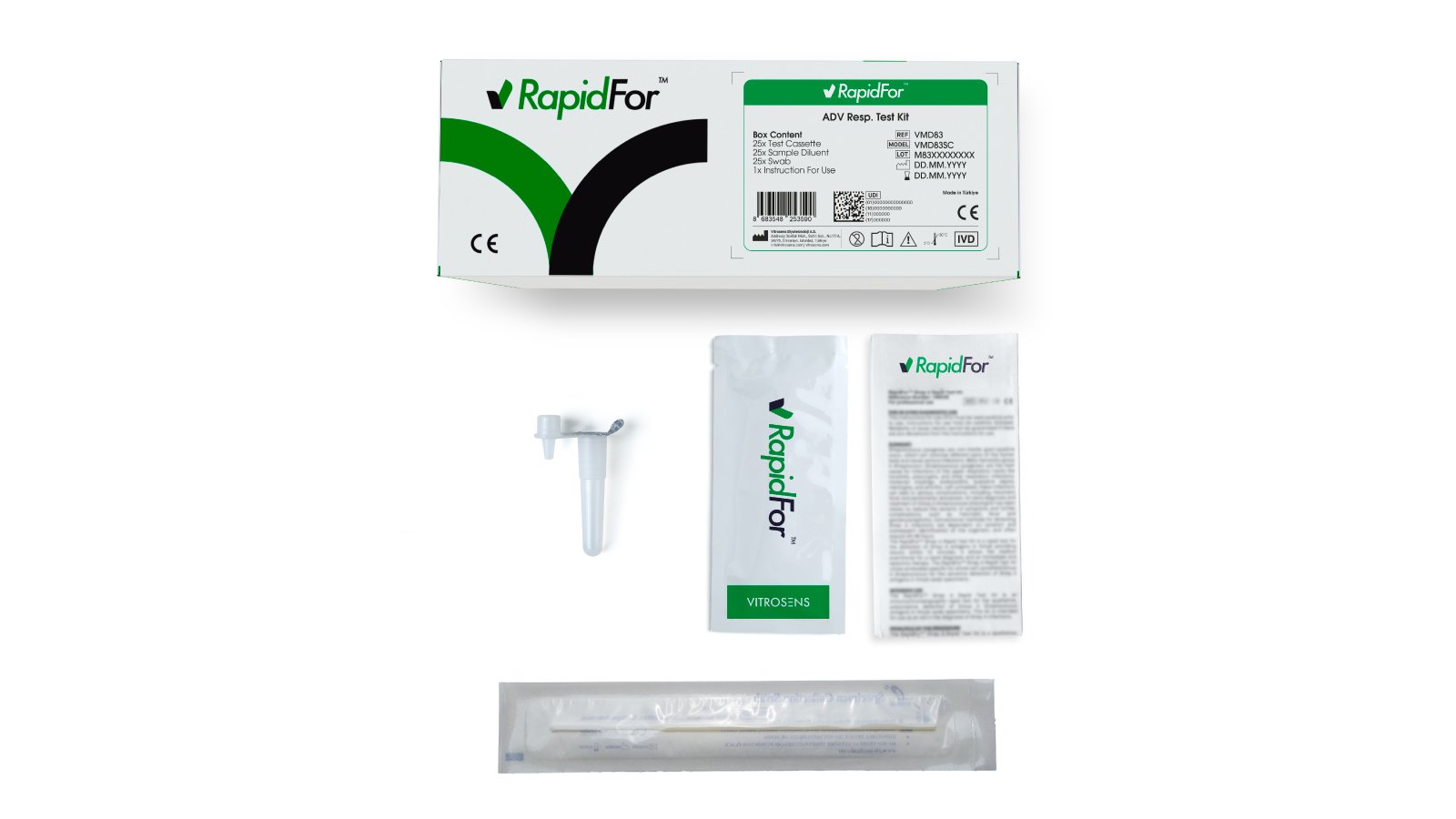
The RapidFor™ Adenovirus Rapid Test Kit is designed to support everyday clinical workflows in outpatient and decentralized healthcare settings.
Product Highlights:
- Qualitative detection of adenovirus antigen
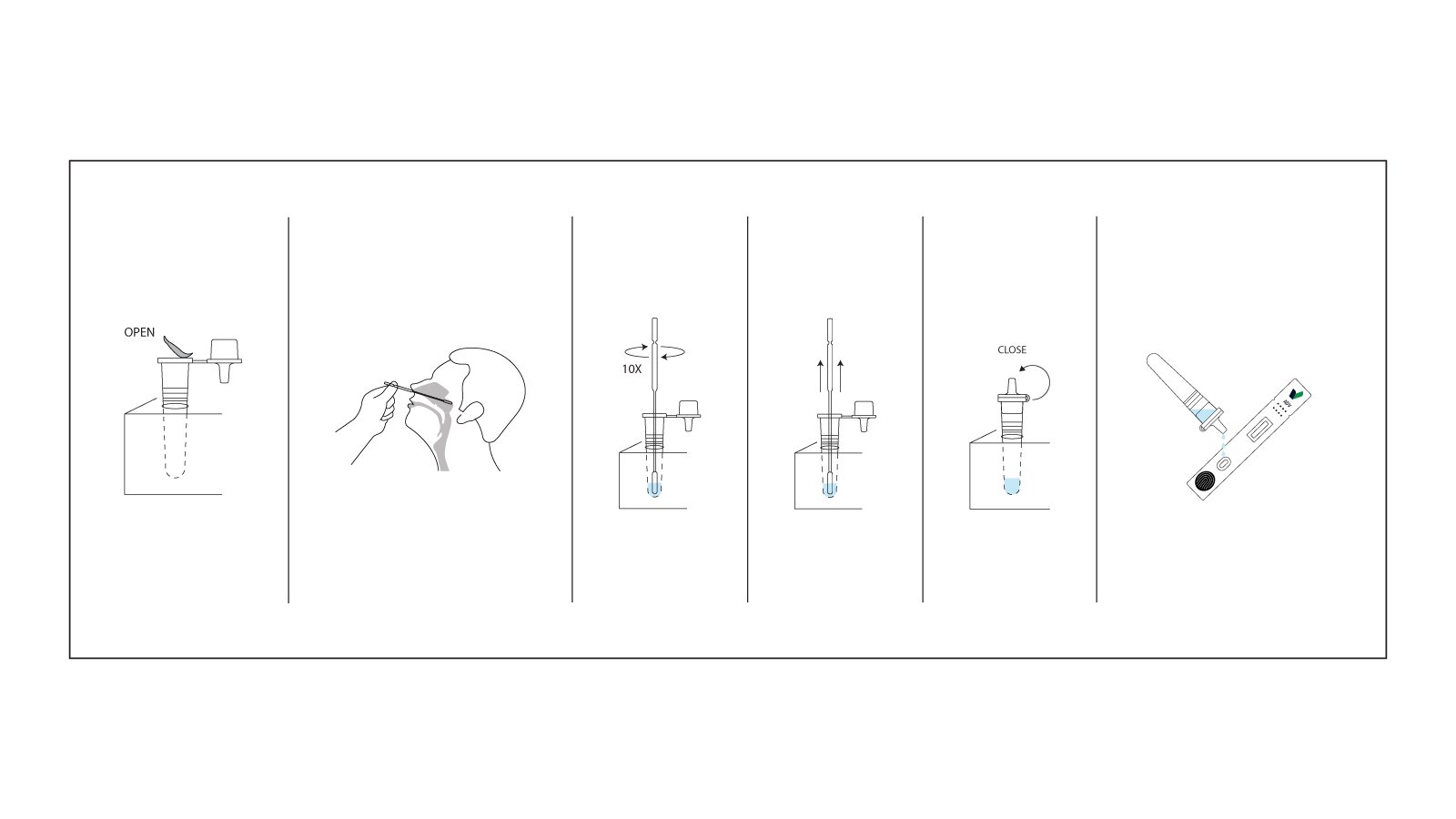
- Simple sample handling and clear result interpretation
- No instrumentation required
- Suitable for pediatric and family medicine practices
- Results available within minutes
The test integrates seamlessly into routine respiratory assessments, supporting faster and more precise clinical decisions.
RapidFor™ Adenovirus Rapid Test Kit – Product Overview
RapidFor™ Adenovirus Rapid Test – Workflow
When Should Adenovirus Testing Be Considered?
Adenovirus rapid testing should be part of the diagnostic pathway in cases such as:
- Fever and sore throat with negative Strep A results
- Respiratory symptoms accompanied by conjunctivitis
- Persistent respiratory illness despite supportive treatment
- Pediatric patients in daycare or school outbreak settings
- Suspected viral pneumonia with unclear etiology
Timely testing allows clinicians to rule out bacterial causes confidently and avoid unnecessary escalation of care.
Supporting Antibiotic Stewardship in Daily Practice
Adenovirus infections are a common driver of inappropriate antibiotic use, particularly when symptoms resemble bacterial pharyngitis or lower respiratory infections. Rapid adenovirus antigen testing provides objective evidence to support viral diagnosis.
By integrating adenovirus testing into primary care workflows, clinicians can align daily practice with antimicrobial stewardship principles without compromising patient satisfaction or clinical efficiency.
Strengthening Respiratory Diagnostic Strategies
Standalone adenovirus rapid testing complements broader respiratory diagnostic portfolios. While multiplex panels are valuable in certain settings, targeted single-pathogen tests offer flexibility, cost efficiency, and clinical focus in primary care.
The RapidFor™ Adenovirus Rapid Test Kit enables healthcare providers to address a frequently overlooked pathogen with speed and confidence.
Conclusion
Adenovirus respiratory infections represent a significant yet underrecognized challenge in primary care. Overlapping symptoms, prolonged viral shedding, and high transmission potential make accurate diagnosis essential.
By incorporating RapidFor™ Adenovirus Rapid Test Kit into routine respiratory assessments, clinicians can improve diagnostic accuracy, reduce unnecessary antibiotic use, and provide clearer guidance to patients and caregivers.
To request technical information, evaluation kits, or distribution opportunities for RapidFor™ Adenovirus Rapid Test Kit, contact sales@vitrosens.com and strengthen your point-of-care respiratory diagnostics portfolio.
References
- World Health Organization (WHO). Adenoviruses – Fact Sheet and Technical Guidance.
- Centers for Disease Control and Prevention (CDC). Adenovirus: Clinical Overview, Transmission and Diagnosis.
- Lynch JP III, Fishbein M, Echavarria M. Adenovirus infections in children. Semin Respir Crit Care Med. 2011;32(4):494–511. doi:10.1055/s-0031-1283287
- Jain S, Williams DJ, Arnold SR, et al. Community-acquired pneumonia requiring hospitalization among U.S. children. N Engl J Med. 2015;372:835–845. doi:10.1056/NEJMoa1405870
- Echavarría M. Adenoviruses in immunocompromised hosts. Clin Microbiol Rev. 2008;21(4):704–715. doi:10.1128/CMR.00052-07
- Esposito S, Principi N. Impact of rapid viral testing on antibiotic use in respiratory infections. Expert Rev Anti Infect Ther. 2014;12(6):1–9. doi:10.1586/14787210.2014.902306
- European Centre for Disease Prevention and Control (ECDC). Respiratory virus infections: diagnostic considerations.


