
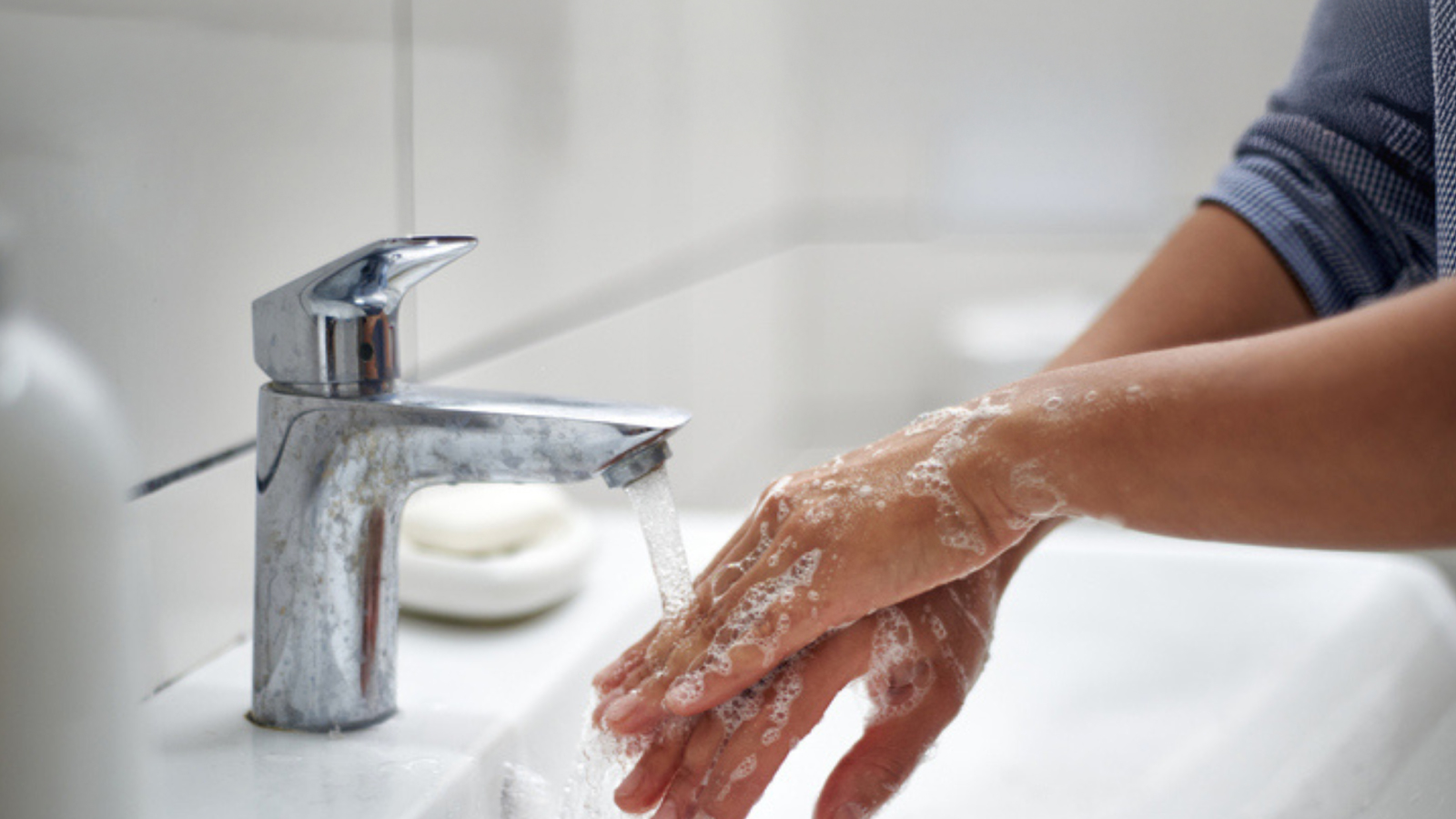
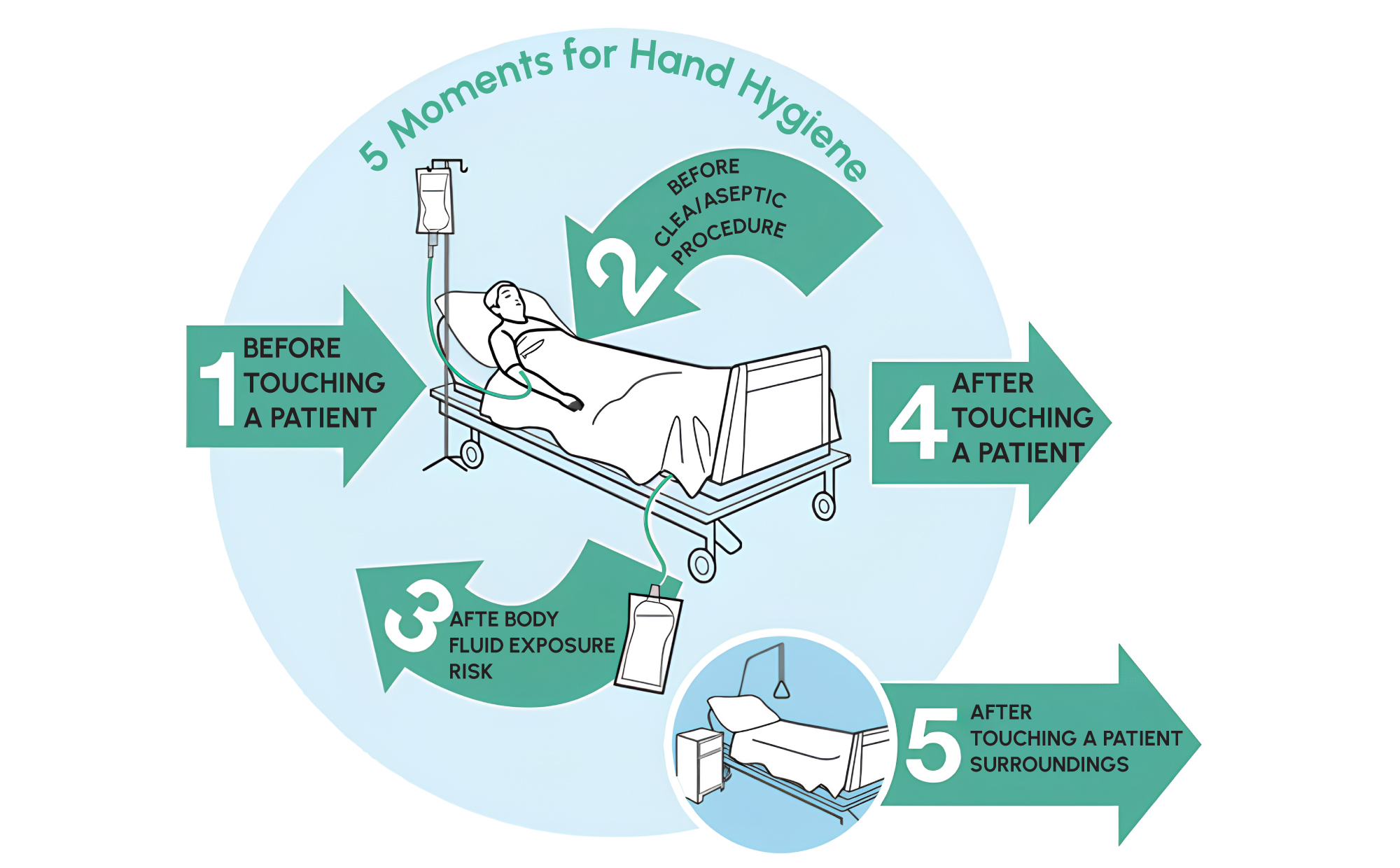
World Hand Hygiene Day, observed on 5 May, highlights the critical role of clean hands in protecting patients, health care workers and communities. For 2026, the World Health Organization (WHO) campaign slogan is “Action saves lives.” The campaign emphasizes that health care-associated infections (HAIs) remain a daily threat in hospitals and clinics, while hand hygiene and infection prevention and control (IPC) actions can significantly improve health outcomes.
Why Hand Hygiene Matters in AMR and HAI Prevention
Hand hygiene is one of the most basic but powerful measures in health care. Each year, European hospitals report approximately 5 million infections, leading to an additional 25 million hospital days and an estimated economic burden of €13-24 billion. It supports safer patient care, helps reduce the transmission of infectious agents and contributes to stronger IPC systems. WHO also highlights that a large proportion of avoidable infections acquired during health care delivery could still be prevented through hand hygiene and IPC actions performed at the right time.
HAIs are not only a patient safety concern. They also contribute to the global burden of antimicrobial resistance (AMR), leading to increased morbidity, mortality, treatment costs and pressure on health care systems. In this context, hand hygiene is directly connected to AMR prevention because it helps interrupt the spread of resistant microorganisms within health care environments.
Among resistant organisms, carbapenemase-producing organisms (CPOs), including carbapenem-resistant Enterobacteriaceae (CRE), represent an important public health concern. These organisms can resist carbapenems, a group of antibiotics often considered among the last-line treatment options for serious bacterial infections. Rapid identification of carbapenemase-associated resistance can therefore support infection control measures, epidemiological monitoring and appropriate clinical decision-making.
Diagnostic Support for Infection Control: CARBA Test Kit
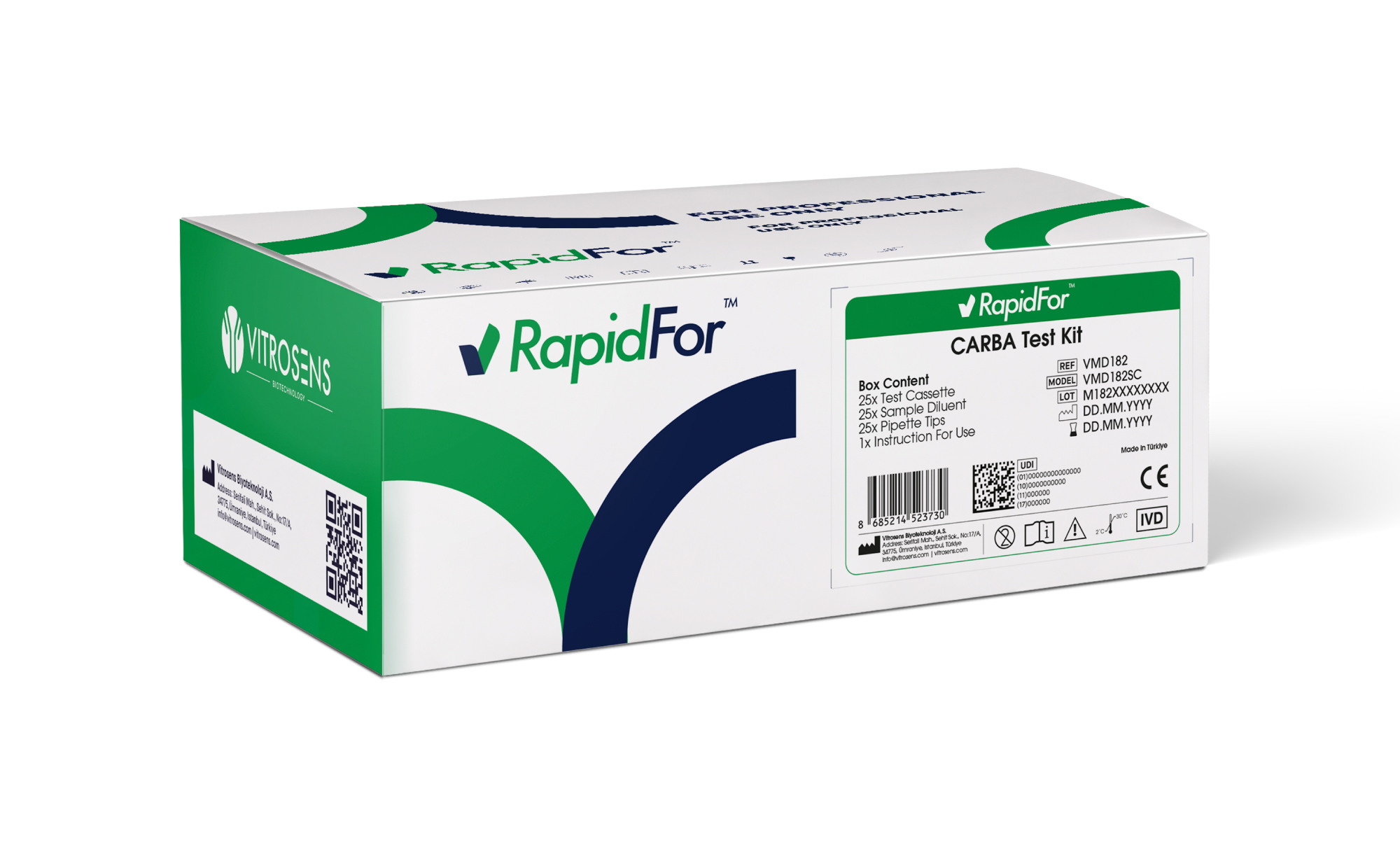
Alongside hand hygiene and IPC practices, rapid diagnostic tools can support earlier recognition of resistant organisms. The RapidFor CARBA Test Kit is designed for the qualitative detection of carbapenemase-producing organisms in cultured Enterobacteriaceae samples, including OXA-48, KPC, NDM, VIM and IMP carbapenemases. The kit is intended for professional in vitro diagnostic use and serves as a rapid screening tool to support clinical decision-making.
The test is based on lateral flow immunochromatographic technology using colloidal gold nanoparticle conjugates. It includes test lines for five major carbapenemase targets: OXA-48-like, KPC, NDM, VIM and IMP. Results are interpreted visually within 15 minutes, and the presence of one or more test lines indicates detection of one or more carbapenemases in the sample.
Connecting Clean Hands with Rapid Resistance Detection
Hand hygiene helps prevent transmission. Rapid testing helps identify resistance risks. Together, these actions can support stronger infection control strategies in health care settings.
In suspected or confirmed cases involving resistant Gram-negative bacteria, rapid carbapenemase testing may help laboratories and health care teams recognize key resistance mechanisms earlier. This can support timely isolation measures, outbreak control strategies, antimicrobial stewardship activities and patient safety programs.
Vitrosens Perspective
Vitrosens supports infection prevention efforts with diagnostic solutions designed to assist health care professionals in timely and reliable testing. In the context of World Hand Hygiene Day 2026, the CARBA Test Kit represents a relevant example of how rapid diagnostic support can complement IPC actions against HAIs and AMR.
Clean hands remain the foundation of infection prevention. When combined with reliable diagnostic tools, laboratory awareness and IPC leadership, this simple action becomes part of a broader strategy to protect patients, health care workers and health systems.
Conclusion
World Hand Hygiene Day 2026 reminds us that simple, consistent actions can save lives. Hand hygiene remains one of the most effective measures for reducing the spread of health care-associated infections and supporting patient safety. However, infection prevention is strongest when clean hands are combined with broader IPC practices, laboratory awareness and timely diagnostic support.
In this context, rapid carbapenemase testing can contribute to the early recognition of important resistance mechanisms such as OXA-48, KPC, NDM, VIM and IMP. By supporting faster identification of carbapenemase-producing organisms, the CARBA Test Kit can help health care professionals strengthen infection control decisions, antimicrobial stewardship efforts and AMR surveillance.
Clean hands are the first step. Reliable diagnostic support helps complete the infection prevention strategy.
References
- World Health Organization. World Hand Hygiene Day 2026: Action saves lives.
- WHO campaign page. Accessed April 2026.
- World Health Organization. Infection prevention and control.
- WHO describes IPC as an evidence-based approach to preventing harm to patients and health workers.
- World Health Organization. IPC and antimicrobial resistance (AMR).
- Pan American Health Organization. World Hand Hygiene Day 2026.
- Centers for Disease Control and Prevention. Carbapenem-resistant Enterobacterales (CRE) Infection Control.


