

Respiratory health has always been at the forefront of global medical challenges. With seasonal outbreaks, emerging pathogens, and the constant burden of community-acquired infections, the need for rapid and reliable diagnostic tools has never been greater. Among the wide range of respiratory pathogens, Mycoplasma pneumoniae holds a unique place due to its ability to spread quickly in close-contact environments and cause both mild and severe disease across all age groups.
Respiratory tract infections remain among the most common causes of morbidity worldwide, with pneumonia ranking as one of the leading killers in both children and adults. While many pathogens can cause pneumonia, Mycoplasma pneumoniae has emerged as a particularly important agent of community-acquired and atypical pneumonia. It is responsible for up to 40% of respiratory infections in school-aged children and young adults, often presenting with mild symptoms that can progress into severe complications if left undiagnosed.
Rapid detection of Mycoplasma pneumoniae antigen allows clinicians to initiate appropriate treatment earlier, limit unnecessary antibiotic use, and prevent further spread.

Understanding Mycoplasma pneumoniae
Mycoplasma pneumoniae is a small, cell wall–deficient bacterium that attaches to the epithelial cells of the respiratory tract. Because it lacks a cell wall, traditional antibiotics like beta-lactams are ineffective, making accurate detection essential for targeted therapy.
Transmission occurs through respiratory droplets, particularly in crowded environments such as schools, military barracks, and households. Infections are more common in children, adolescents, and young adults, although all age groups are susceptible.
Clinically, patients may present with:
- Persistent dry cough
- Low-grade fever
- Sore throat
- Fatigue
- Headache and malaise
While many infections are self-limiting, some can lead to serious complications including severe pneumonia, asthma exacerbations, encephalitis, or myocarditis.
Global Burden and Relevance
Outbreaks of Mycoplasma pneumoniae are reported worldwide every 3–7 years, affecting both developed and developing regions. According to the CDC, Mycoplasma accounts for up to 20% of all cases of community-acquired pneumonia requiring hospitalization. In Asia and Europe, epidemics often strain healthcare systems, with increased hospitalization rates among children and adolescents.
Because the clinical symptoms are nonspecific and overlap with viral respiratory infections, reliable diagnostics are indispensable for effective management.
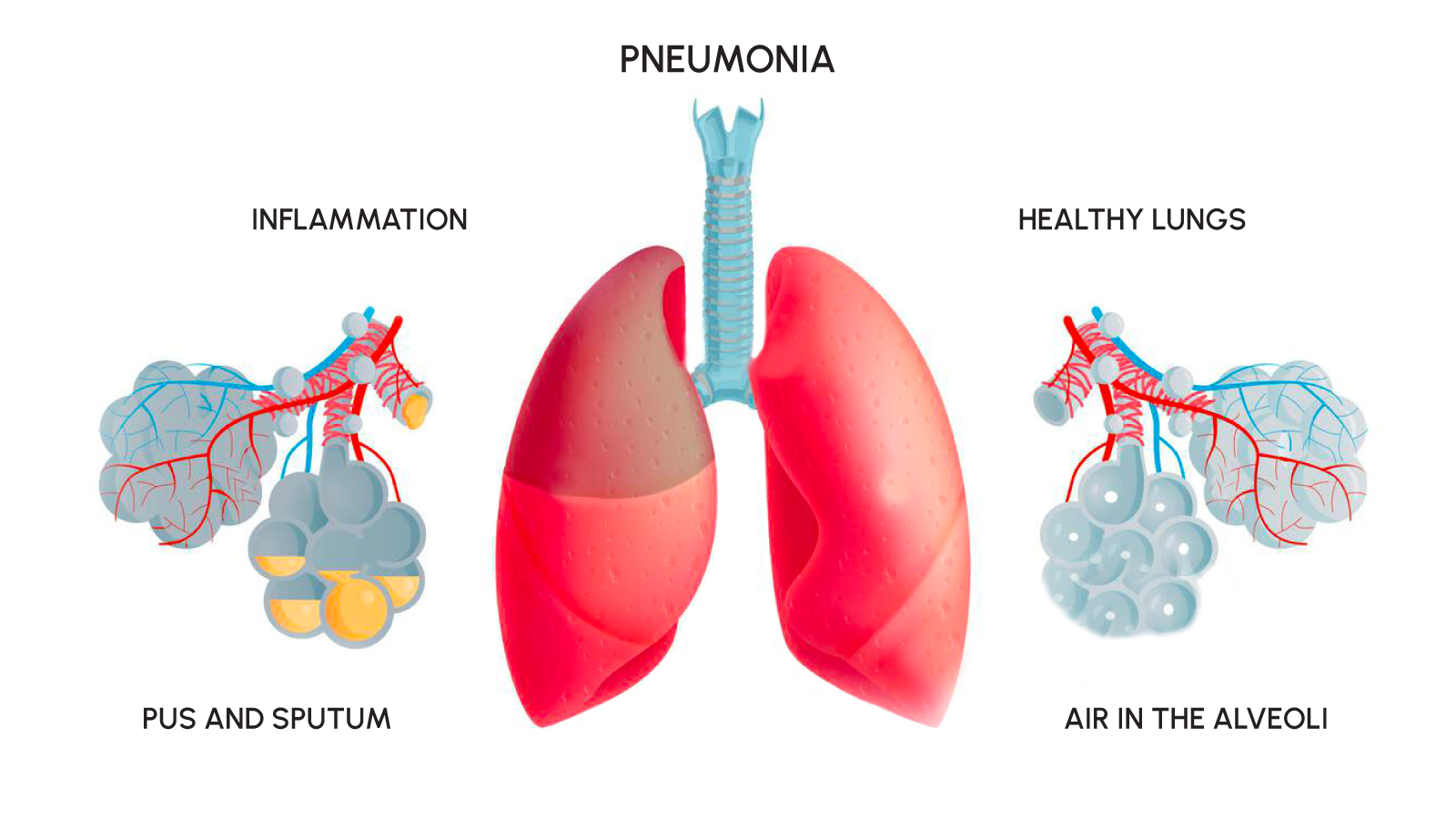
Why Early Detection Matters
Timely identification of Mycoplasma pneumoniae infections provides several clinical and public health benefits:
- Appropriate treatment decisions: Ensures macrolides or tetracyclines are prescribed instead of ineffective antibiotics.
- Reduced transmission: Early detection limits outbreaks in schools, daycare centers, and closed communities.
- Prevention of complications: Early intervention lowers the risk of severe pneumonia and systemic effects.
- Support for surveillance: Helps monitor epidemic cycles and guides public health responses.
Mycoplasma pneumoniae Test Kit Overview
The Mycoplasma pneumoniae Antigen Test Kit is a rapid chromatographic immunoassay for the qualitative detection of Mycoplasma pneumoniae antigen in human throat swab, nasopharyngeal swab, or sputum samples. Developed for professional in vitro diagnostic use, it delivers results within minutes and supports clinical decision-making at the point of care.
Key Features
- Fast results: Clear interpretation within 15 minutes
- High accuracy: Sensitive detection of Mycoplasma pneumoniae antigen
- Simple procedure: Easy-to-use format for healthcare professionals
- Specimen flexibility: Compatible with multiple respiratory sample types
- Built-in control line: Ensures test validity every time
- Stable storage: 2–30°C with a 24-month shelf life
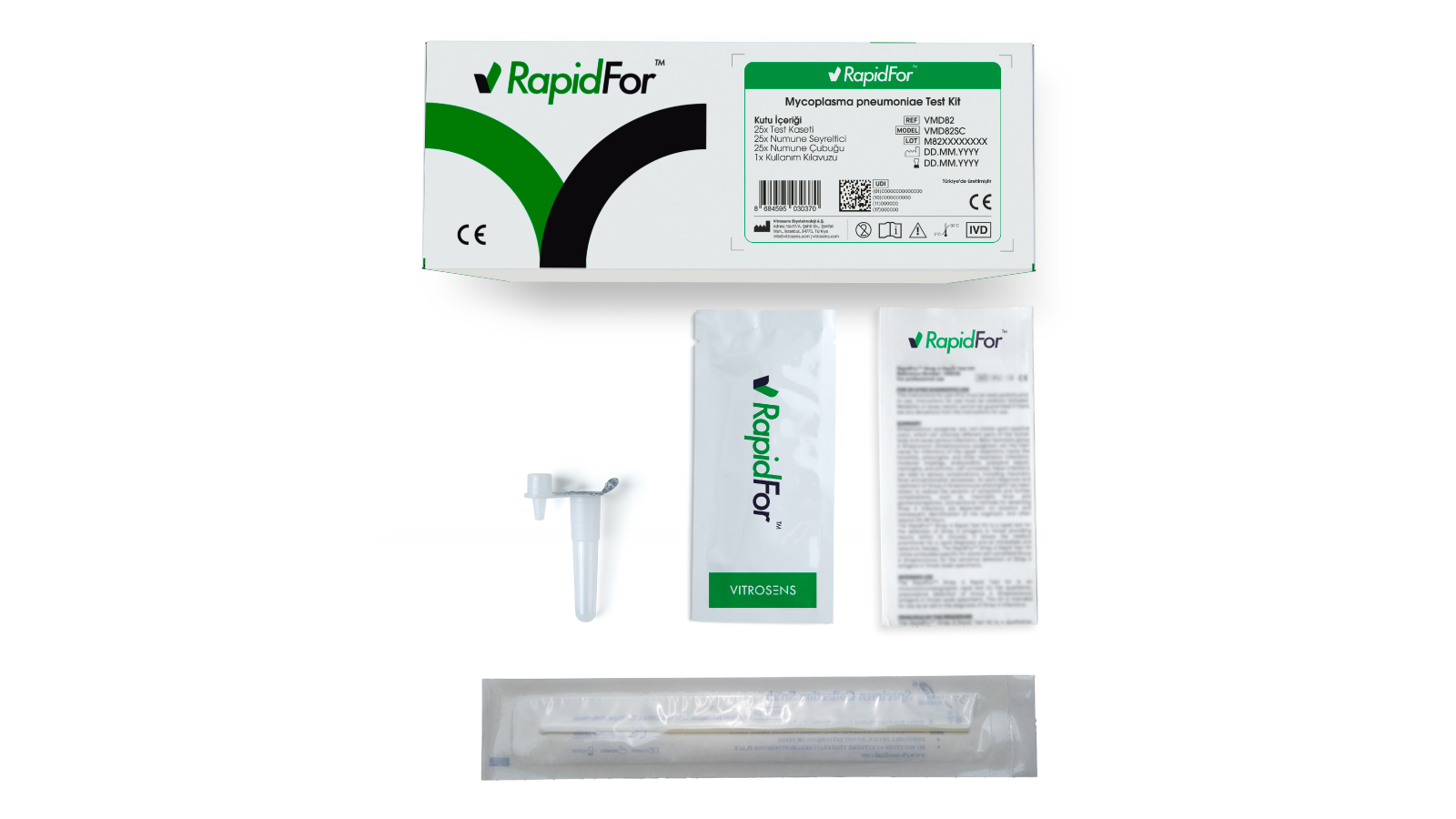
5 Simple Steps to Perform the Test
- Collect a nasopharyngeal or throat swab specimen using a sterile swab.
- Insert the swab into the extraction buffer tube and mix thoroughly.
- Add the processed sample into the test cassette well.
- Wait for 15 minutes.
- Interpret the result: appearance of both control and test lines indicates a positive result.

Advantages for Clinical Practice
The Mycoplasma pneumoniae Antigen Test Kit offers healthcare providers a reliable diagnostic solution in both routine and outbreak scenarios. Its rapid turnaround time allows same-visit decision-making, reducing the need for empirical treatment and hospital admissions. In addition, the ability to perform testing outside of central laboratories makes it highly suitable for primary care settings, emergency rooms, and community health programs.
Conclusion
Mycoplasma pneumoniae continues to be a global challenge in respiratory medicine due to its nonspecific symptoms and cyclical epidemics. Rapid and accurate antigen detection is the cornerstone of effective diagnosis, treatment, and prevention strategies. The Mycoplasma pneumoniae Antigen Test Kit equips clinicians and healthcare systems with the means to respond quickly, ensuring better patient outcomes and enhanced outbreak control.
📩 Contact us at sales@vitrosens.com to request evaluation kits, bulk purchasing options, or technical support. Together we can strengthen respiratory infection diagnostics and protect communities worldwide.
Key References:
- Centers for Disease Control and Prevention (CDC). Mycoplasma pneumoniae Infections – Clinical Guidance. 2024.
- Waites KB, Xiao L, Liu Y, Balish MF, Atkinson TP. Mycoplasma pneumoniae from the Respiratory Tract and Beyond. Clin Microbiol Rev. 2017;30(3):747–809.
- World Health Organization (WHO). Global report on acute respiratory infections. 2023.
- Vitrosens Biotechnology. 2025 Mycoplasma pneumoniae Antigen Test Kit – Instructions for Use.


