
Sample Collection and Transport Media: Why Specimen Stability Matters

Reliable molecular diagnostics begin before a sample reaches the laboratory. From specimen collection to transportation and processing, maintaining sample integrity is essential for obtaining reliable laboratory results. Sample collection and transport media are designed to support the preservation and transportation of clinical specimens under defined conditions. Different formulations serve different purposes, including maintaining microbial […]
World Thrombosis Day: Understanding Blood Clots and D-Dimer Testing

Every year on October 13, World Thrombosis Day raises awareness of blood clots, their risk factors and the importance of early recognition. The 2026 campaign, led by the International Society on Thrombosis and Haemostasis (ISTH), highlights women’s health and how thrombosis risk changes throughout different stages of life, including pregnancy, the postpartum period and menopause. […]
Meningitis and Molecular Testing: Identifying Pathogens by qPCR

Every year on October 5, World Meningitis Day draws attention to meningitis, its symptoms, prevention and the importance of appropriate diagnosis. Meningitis is inflammation of the protective membranes surrounding the brain and spinal cord, and it can have several infectious causes, including bacteria, viruses, fungi and parasites. Because different pathogens can be associated with meningitis […]
World Heart Day 2026: Don’t Miss a Beat in Heart Health

Every year on 29 September, World Heart Day brings global attention to cardiovascular disease and the importance of protecting heart health. In 2026, the World Heart Federation continues its “Don’t Miss a Beat” campaign, highlighting the importance of recognizing cardiovascular signs and symptoms that can otherwise go unnoticed. Cardiac biomarkers can also provide healthcare professionals […]
Lateral Flow Assay (LFA) and Fluorescence Immunoassay (FIA): How Do They Work?
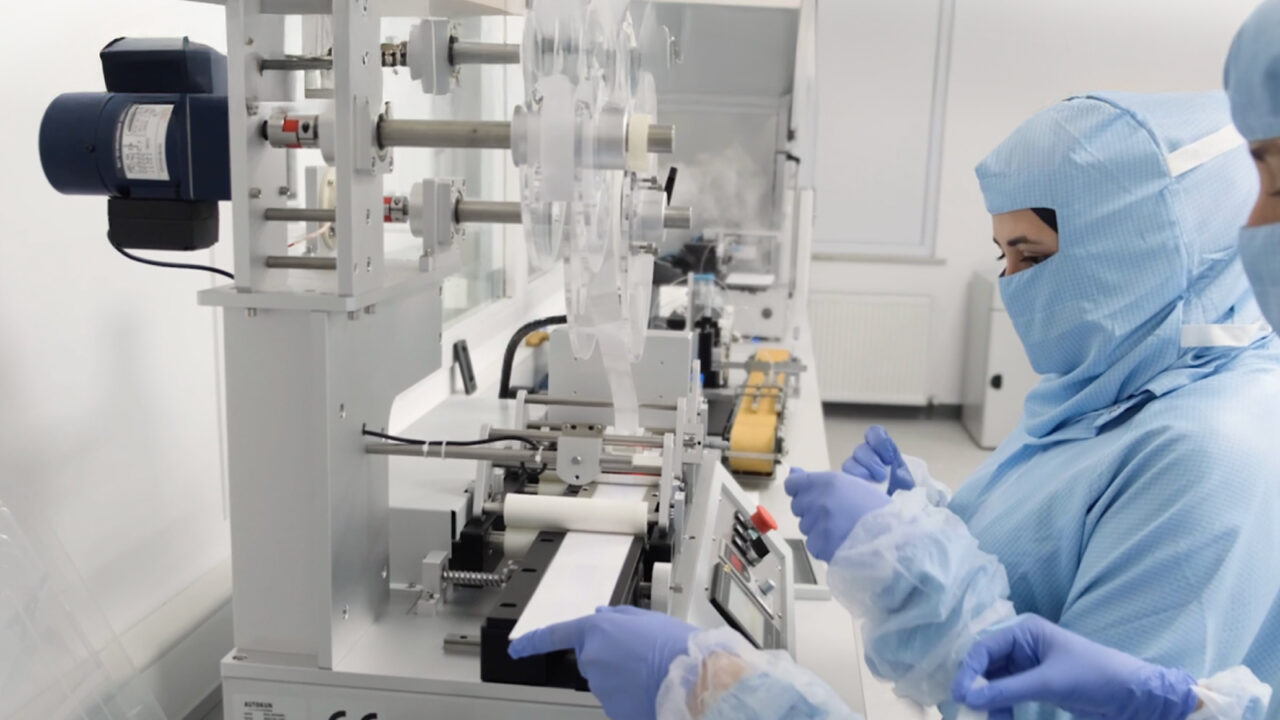
Immunoassays are widely used in diagnostic testing to detect specific biological targets through antigen-antibody interactions. Two important approaches are the lateral flow assay (LFA) and fluorescence immunoassay (FIA). While both technologies can use membrane-based test formats and specific binding reactions, they differ mainly in how the resulting signal is generated and detected. LFA commonly produces […]
World Patient Safety Day 2026: Safer Care Through Informed Clinical Decisions

Every year on 17 September, World Patient Safety Day highlights the importance of reducing avoidable harm in healthcare. In 2026, the World Health Organization (WHO) focuses on “Safe care for noncommunicable diseases” under the slogan “Safe care for life!” This year’s campaign emphasizes patient safety across the entire care pathway, from prevention and early detection […]
Ferritin Testing: A Key Marker for Understanding Iron Stores

Iron supports many essential physiological functions, including oxygen transport and normal cellular processes. However, measuring circulating iron alone does not provide a complete picture of the body’s iron reserves. Ferritin testing provides additional information because ferritin is closely associated with stored iron. The World Health Organization (WHO) recognizes ferritin concentration as a useful marker […]
Bordetella Genotyping by qPCR: Differentiating Key Respiratory Pathogens

Bordetella genotyping qPCR supports the molecular detection and differentiation of closely related Bordetella species associated with respiratory infections. Bordetella pertussis is the primary bacterial cause of pertussis, while B. parapertussis and B. holmesii may also be detected in patients with similar respiratory presentations. Because symptoms can overlap, molecular laboratory testing can provide species-specific information according […]
Strep A Testing in the Evaluation of Streptococcal Pharyngitis

Group A Streptococcus (GAS) or Streptococcus pyogenes is a bacterium associated with several human infections. It commonly affects the throat and skin, and it represents an important cause of bacterial pharyngitis. Although many infections remain uncomplicated, some cases can progress or lead to complications that require appropriate medical attention. Symptoms of streptococcal pharyngitis can overlap with […]
International Overdose Awareness Day 2026: Drug Screening Testing

Every year on 31 August, International Overdose Awareness Day (IOAD) brings global attention to overdose, remembers people who have lost their lives and supports families and communities affected by drug-related harm. The campaign also emphasizes evidence-based prevention and aims to reduce the stigma surrounding overdose. Overdose can involve prescription medicines, illicit substances or combinations of […]


